


Democratic Victory Shapes Limited Legislative Scope
The United States held midterm elections on November 3, resulting in a Democratic victory that secured control of both the House of Representatives and the Senate. The shift in power was driven by gains in Kansas, Iowa, and Texas, with voters prioritizing economic concerns exacerbated by the ongoing war with Iran.
Despite the change in congressional leadership, analysts note that the new Democratic Congress possesses limited ability to alter economic policy through legislation. Executive orders remain the primary driver of policy outcomes for developing Asia. President Trump is expected to veto any congressional attempts to reclaim tariff powers or address fiscal deficits, effectively neutralizing legislative efforts to reshape trade or economic relations with the region.
Stronger Dollar and Debt Burdens Hit Regional Economies
The post-election environment has strengthened the US dollar, drawing capital away from developing Asia. Following the election, the 10-year Treasury yield rose to 4.87%. This shift increases costs for countries in the region that hold dollar-denominated debts and rely on imported oil.
United States public debt stands at approximately 100% of GDP, with a deficit of 6.2% in fiscal 2026. These macroeconomic factors contribute to a challenging financial landscape for neighboring economies. S&P Global has identified Pakistan, Bangladesh, and Sri Lanka as the most vulnerable economies in the region due to these pressures.
Energy Costs and Inflation Surge
Pakistan sources roughly 81% of its oil through the Gulf. The country saw diesel prices nearly double after the war with Iran began. Sri Lanka has reintroduced fuel rationing in response to supply constraints. Bangladesh paid more than double for spot liquefied natural gas (LNG) cargoes and raised diesel prices to Tk 115 a litre in April. The country currently faces inflation above 8%.
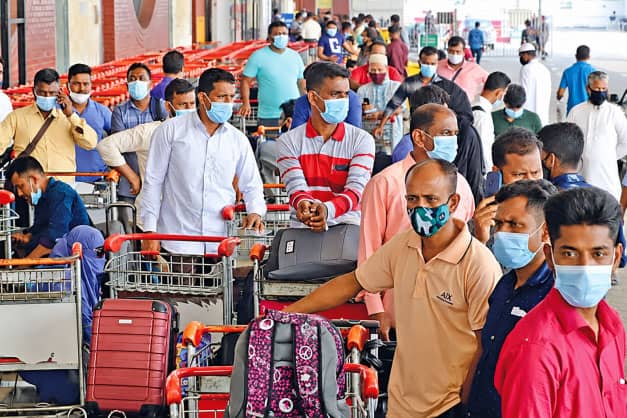
Bangladesh’s gross foreign reserves are approximately $36 billion. The strengthening dollar makes imports and debt payments more expensive for the nation, which has nearly half of its annual remittances of $35.5 billion originating from the Middle East. Prolonged regional instability threatens household incomes and foreign exchange earnings for families dependent on these funds.
Market Reactions and Growth Forecasts
Financial markets reacted to the election results with expectations that a Democratic Congress might push the White House toward ending the Iran war. Brent crude fell about 9% to around $94 post-election as traders anticipated this potential de-escalation.
The Asian Development Bank expects developing Asia’s growth to slow from 5.5% in 2025 to 5% this year. Inflation across the region is projected at 4.2%. The conflict continues to affect about 40–50% of other regional remittances beyond Bangladesh, impacting workers and families from Bangladesh to Karachi.