

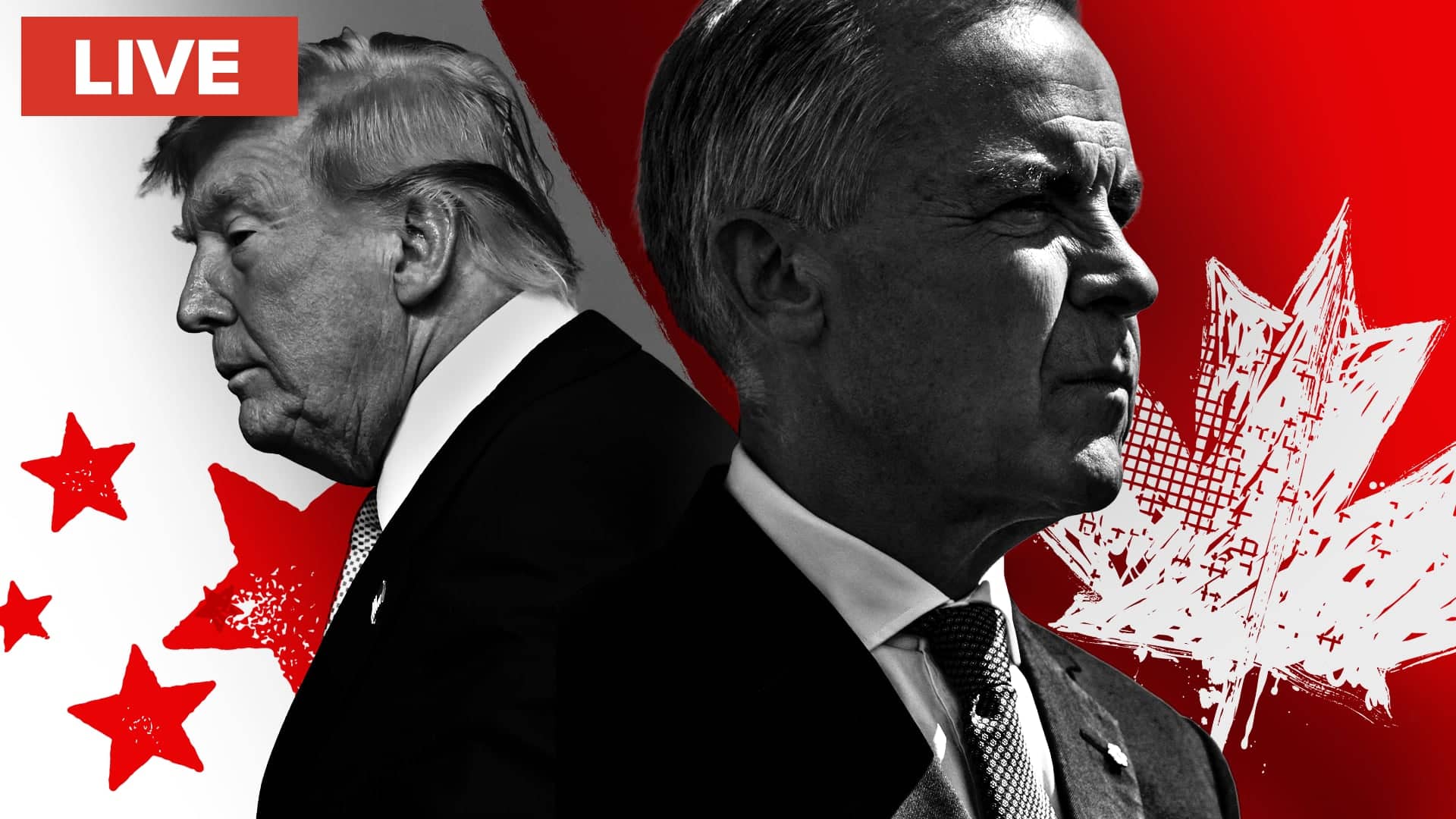

GOP Senator Urges Easing of Trade Tensions
A prominent Republican U.S. senator has formally urged President Donald Trump to de-escalate the intensifying trade dispute between the United States and Canada. The lawmaker's call comes amidst a period of heightened economic pressure initiated by the Trump administration against its northern neighbor, signaling potential concerns within the Republican party regarding the trajectory of bilateral trade relations.
The senator specifically called on the administration to take decisive steps to defuse the situation and work towards a comprehensive trade resolution. This appeal for diplomatic restraint directly addresses the U.S. government's recent actions, which have significantly escalated the trade war. These measures include the implementation of new tariffs on various Canadian goods and the outright banning of certain products from entering the U.S. market, marking a substantial increase in economic friction between the two long-standing allies.
The escalating trade tensions have introduced uncertainty into a historically robust economic relationship. The U.S. and Canada share one of the world's largest trading partnerships, and the imposition of tariffs and product bans by the U.S. has prompted concerns about the broader economic impact on industries and consumers in both countries. The senator's intervention underscores a desire to restore stability and predictability to this critical economic corridor.
Trump's Stance on Canadian Negotiations
Despite the aggressive economic posture adopted by his administration, President Trump has publicly asserted that Canada is eager to negotiate a resolution to the ongoing trade dispute. Speaking at the Republican National Committee (RNC) midterm convention in Dallas, President Trump claimed that Canada is "dying" to make a trade deal with the United States. This characterization suggests an expectation from the White House that Canadian leadership is under significant pressure to accede to U.S. demands.
The president’s remarks were delivered concurrently with the U.S. government's continued pursuit of punitive economic measures against Canada. While Trump's rhetoric portrays Canada as desperate for a deal, the administration has not provided specific details regarding the timeline for potential negotiations or the conditions under which such talks might proceed. This creates a stark contrast between the administration's public statements about Canada's eagerness and its ongoing actions to intensify economic pressure.
The U.S. strategy appears to be one of applying maximum leverage, with the belief that increased economic strain will compel Canada to agree to terms favorable to the United States. This approach, however, has been met with a mix of defiance and strategic adjustments from the Canadian side, indicating a complex path forward for any potential trade resolution.
Canada Responds with Policy Shifts and Industry Outreach
In direct response to the escalating trade conflict with the United States, the Canadian government has initiated significant changes to its domestic regulatory framework and intensified its engagement with key economic stakeholders. These actions reflect a strategic effort to bolster Canada's economic resilience and support its industries amidst the ongoing dispute.
Energy Project Reviews Streamlined
Prime Minister Mark Carney’s administration announced on Wednesday a substantial policy adjustment aimed at supporting Canada's vital energy sector. The government will scale back its environmental review process for major energy projects. This move is explicitly intended to streamline project approvals and accelerate the development of critical energy infrastructure within Canada.
The decision to expedite environmental reviews is a strategic maneuver designed to enhance Canada's energy independence and economic output at a time when trade relations with its largest partner are strained. By making it easier and faster to approve and develop energy projects, the government aims to create jobs, attract investment, and ensure the continued strength of a sector crucial to the national economy, thereby mitigating some of the potential adverse effects of the U.S. trade war.
Finance Minister Consults on Economic Fallout
Concurrently with the regulatory changes, Canadian Finance Minister François-Philippe Champagne has actively engaged directly with industry stakeholders to assess and address the economic fallout of the trade dispute. On Wednesday, Minister Champagne met with business leaders in Edmonton, Alberta, to discuss the immediate and long-term impacts of the trade war on local and national economies.
These high-level meetings focused on understanding how Canadian businesses are navigating the new tariffs and product bans imposed by the U.S. The discussions highlighted pressing concerns among commercial entities regarding supply chain disruptions, challenges in maintaining market access, and the overall uncertainty introduced by the current U.S. trade policy. The Finance Minister's outreach underscores the Canadian government's commitment to supporting its businesses and formulating responsive economic strategies in the face of external trade pressures.