


Exhibition Highlights Rare Access to the Band
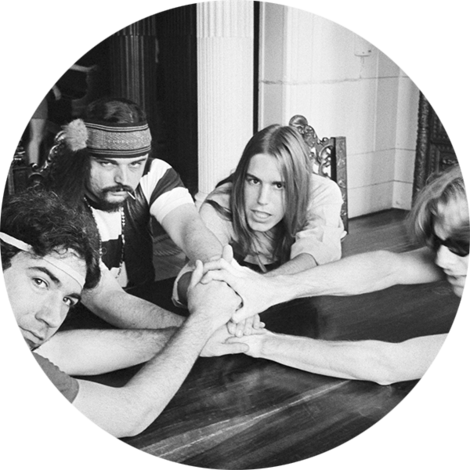
An exhibition titled "An American Beauty: Grateful Dead 1965-1995" is currently on view at the David Kordansky Gallery in Chelsea. The show presents a collection of images documenting the rock band Grateful Dead over a thirty-year period, from their formation in 1965 through 1995.
The exhibition was curated by Ricki and Jay Blakesberg, a father-daughter duo known for their work as photographers. According to Airmail, which recommended the exhibition, the collection offers a view into the band's history through the lens of photographers who were granted rare access and trust by the group.
The display includes 20 large-scale prints and 13 smaller prints. Several of these photographs are making their public debut for the first time at this venue. The curators have organized the work to move between intimate moments and large-scale performances, providing a varied visual record of the band's activities during the specified era.
Curatorial Perspective and Visual Documentation
The selection of images emphasizes the proximity photographers were allowed to maintain with the Grateful Dead. The exhibition materials indicate that this level of access was not common for all media personnel covering the band, but was afforded specifically to those considered bona fide Grateful Dead photographers.
Ricki and Jay Blakesberg served as the curators for this specific presentation at the Chelsea gallery. Their role involved selecting which images from their archives would constitute the public display. The resulting collection spans three decades of the band's career, covering a period that includes significant changes in lineup and musical style, though the exhibition focuses on the visual documentation provided by the photographers.
Airmail described the exhibition as a "welcome companion" for individuals who consider the Grateful Dead to be part of their daily soundtrack. The recommendation from the publication suggests that the collection holds specific appeal for fans of the band or those interested in the history of American rock music during the late 20th century.
Scope of the Collection
The timeline covered by "An American Beauty" extends from 1965 to 1995. This period encompasses the band's early years in San Francisco, their rise in popularity during the counterculture movement, and their continued touring career into the mid-1990s.
The physical presentation at the David Kordansky Gallery distinguishes between large-scale works and smaller prints. The 20 large-scale prints likely dominate the visual space of the gallery, while the 13 smaller prints provide additional detail or context. The inclusion of previously unseen work adds a new element to the public record of the band's history.
The focus on "intimate moments" alongside "large-scale performances" suggests a dual approach to documenting the band. One aspect captures private or backstage interactions, while the other records the public spectacle of their concerts. This combination is intended to provide a comprehensive view of the Grateful Dead as both a musical entity and a cultural phenomenon.
The exhibition does not include commentary on the musical content of the recordings or the political context of the era beyond the visual record provided by the photographs. The curators have allowed the images to stand as the primary source of information for visitors. The David Kordansky Gallery in Chelsea serves as the sole location for this specific presentation of the Blakesberg collection.
Readers interested in viewing the exhibition can visit the gallery in Chelsea. The display is presented as a curated selection from the photographers' long-term documentation of the band, rather than a temporary loan or collaborative project with the Grateful Dead estate. The emphasis remains on the photographic work produced by Ricki and Jay Blakesberg during the specified thirty-year window.