

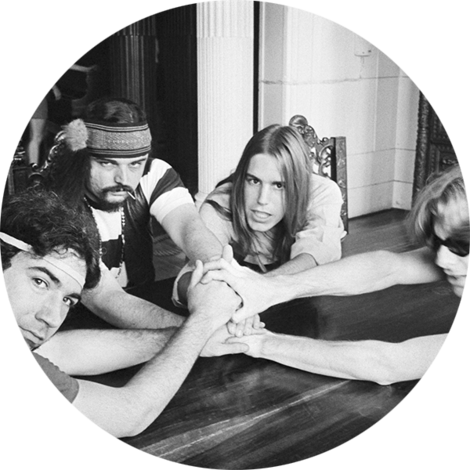

Exhibition Details and Venue
The David Kordansky Gallery in Chelsea is currently hosting an exhibition titled "An American Beauty: Grateful Dead 1965-1995." The show presents a visual history of the rock band through the lens of photographers who documented their career over three decades. The gallery, located in the Manhattan neighborhood known for its concentration of art spaces, serves as the venue for this retrospective look at the group's musical and cultural impact.
The exhibition is curated by Ricki Blakesberg and Jay Blakesberg, a father-daughter photography duo. Their selection of work aims to capture the essence of the Grateful Dead’s journey from their formation in the mid-1960s through the end of the 1990s. The curation focuses on the specific period between 1965 and 1995, marking three decades of performances, tours, and studio recordings that defined the band's era.
Photographic Content and Scope
The exhibition displays a total of 33 prints, divided into two distinct categories based on size. There are 20 large-scale prints and 13 smaller prints included in the collection. Among these works, several photographs are being shown to the public for the first time, offering new visual material to fans and art viewers alike.
The content of the exhibition moves between two primary types of imagery: intimate moments and large-scale performances. The large-scale prints likely capture the magnitude of the band's live shows, which were known for their extensive attendance and improvisational nature. The smaller prints are described as focusing on more private or close-up interactions, providing a contrast to the public spectacle of the concerts.
According to the exhibition description, the show centers on the "rare access and trust" granted to the photographers who documented the band. This access allowed the Blakesbergs and other contributors to capture images that were not available through standard press channels or official publicity materials. The curation highlights this unique position within the band's ecosystem, suggesting that the photographs offer a perspective distinct from typical music journalism.
Curatorial Perspective
The curators have selected works that span the entire timeline of the exhibition, from 1965 to 1995. This timeframe covers significant shifts in the band's lineup, musical style, and cultural status. The inclusion of both large and small formats allows for a varied viewing experience, juxtaposing the grandeur of stadium-sized audiences with the personal dynamics of the musicians on and off stage.
The exhibition does not explicitly detail the specific events or albums represented in each photograph but instead offers a broad overview of the band's career through visual documentation. The focus remains on the act of photography itself as a means of preserving the band's history, emphasizing the relationship between the artists and the subjects they photographed.
Context of the Exhibition
The Grateful Dead, formed in Palo Alto, California, in 1965, became one of the most enduring and influential bands in American rock history. Known for their live performances and dedicated fan base, often referred to as "Deadheads," the band maintained a consistent presence in the music industry until the death of lead singer Jerry Garcia in 1995. The exhibition's end date of 1995 aligns with this pivotal moment in the band's history.
The David Kordansky Gallery has previously hosted exhibitions related to music and counterculture, providing a context for this display within the broader art market. The gallery's location in Chelsea places it within a competitive landscape of contemporary art dealers, where music-related photography often serves as a bridge between popular culture and fine art.
The exhibition is recommended by critics and publications as a resource for those with an interest in the band's history. While the primary focus is on the visual artifacts, the show also serves as a historical record of the Grateful Dead's operational years. The Blakesbergs' work contributes to the archival record of the band, preserving images that might otherwise remain private or inaccessible.
Access and Availability
The exhibition is open to the public at the David Kordansky Gallery. Visitors can view the 33 prints during the gallery's operating hours. The inclusion of previously unseen works adds a layer of novelty for long-time followers of the band, who may have encountered the Blakesbergs' photography in other formats such as album covers or books.
The curation by Ricki and Jay Blakesberg underscores their long-standing relationship with the Grateful Dead. As photographers who were granted rare access, they were able to document the band in ways that were not available to the general press. This exclusivity is a key component of the exhibition's appeal, offering a glimpse into the inner workings of one of rock's most famous groups.
The show does not include interactive elements or audio components as part of its core description, focusing instead on the static photographic prints. The narrative of the Grateful Dead's career from 1965 to 1995 is conveyed entirely through the visual selection curated by the Blakesbergs.