

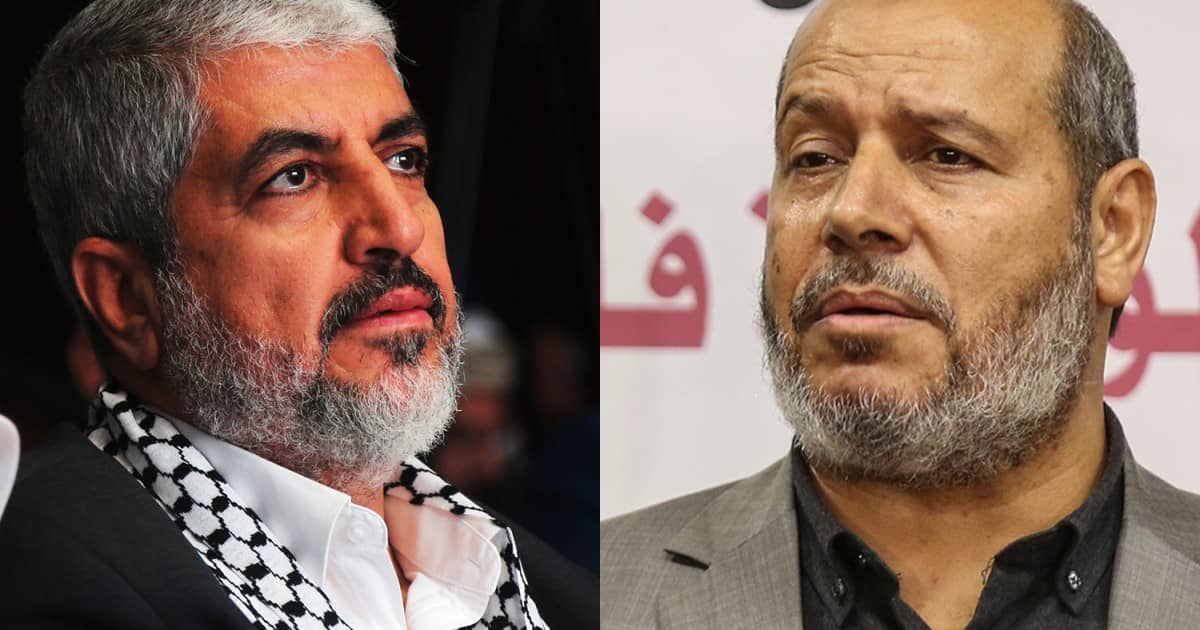

Anticipated Vote Narrows to Two Candidates
Hamas officials are moving forward with preparations for an upcoming run-off election designed to select a new chairman for the group's political bureau. The vote is scheduled to take place next week, marking what sources describe as a decisive moment in the Palestinian militant organization’s internal governance structure.
According to information provided by a Hamas source cited in reporting from July 16, 2026, the selection process has narrowed significantly. The potential candidates for the position of chairman are identified as Khaled Meshaal and Khalil al-Hayya. These two individuals represent distinct factions within the organization’s leadership history.
Khaled Meshaal is recognized in reports as a former Hamas political leader who has operated primarily outside Gaza, often associated with diplomatic efforts from abroad. In contrast, Khalil al-Hayya holds the title of former deputy chairman and has maintained a more visible presence within Gaza’s administrative structures prior to recent leadership changes.
The race is expected to be close according to internal assessments shared by sources linked to the group. Analysts note that this contest represents an attempt for Hamas to renew its political direction while simultaneously managing the ongoing conflict with Israel. The outcome of this election will determine who assumes command over the organization's strategic planning and international relations.
Leadership Transition Following Assassinations
The run-off election serves as a critical component in a broader leadership transition process initiated by Hamas following significant losses among its senior ranks. This restructuring effort comes after Israel conducted assassinations targeting some of the group’s most prominent figures.
Reports confirm that Ismail Haniyeh and Yahya Sinwar were among the top leaders targeted in these operations. The removal of these individuals created immediate vacancies within Hamas's political hierarchy, necessitating a formal process to fill those roles and restore organizational cohesion.
The current leadership arrangement is described as being managed by a transitional council that assumed control following the assassination of Yahya Sinwar. This event occurred in Gaza during October 2024. The transitional body has held power for approximately two years, overseeing operations from within Gaza while attempting to stabilize the group’s position amid sustained military pressure.
The winner of next week's election will replace this transitional council entirely. This change marks a formal end to the interim governance structure established nearly 24 months ago after Sinwar’s death. The new chairman will inherit responsibilities for coordinating Hamas activities across Gaza and potentially influencing negotiations or military strategies related to the conflict with Israel.
Timeline of Leadership Changes
The timeline leading up to this election highlights a period of intense instability within Palestinian leadership circles. Between October 2024, when Sinwar was killed, and July 16, 2026, Hamas has navigated complex internal dynamics while maintaining its operational capacity.
During the interim period under the transitional council’s stewardship, various factions within Hamas reportedly debated how best to proceed with leadership succession. The decision to hold a run-off election rather than appointing an immediate successor suggests that consensus-building remains important despite external pressures from ongoing hostilities.
The new leader selected in this upcoming vote will serve until 2036, according to the timeframe indicated in available reports. This extended term indicates Hamas's intention to establish a more permanent leadership structure following years of emergency governance arrangements necessitated by consecutive assassinations and military campaigns.
Significance Amidst Ongoing Conflict
The timing of this election coincides with continued hostilities between Israel and Palestinian territories. According to sources, Hamas aims to renew itself even as it faces the ongoing Israeli war. This dual challenge—internal leadership restructuring while managing external military threats—complicates the organization's strategic positioning.
The vote is considered a significant moment for Hamas because it represents an opportunity to consolidate authority following major disruptions caused by targeted killings of senior officials. Success in this election could bolster morale among fighters and civilians within Gaza who have witnessed repeated leadership losses over recent years.
Conversely, failure or prolonged uncertainty surrounding the selection process might exacerbate internal divisions already present due to differing approaches toward negotiations versus armed resistance. The choice between Meshaal’s diplomatic background and al-Hayya's Gaza-based experience may reflect broader debates about whether Hamas should prioritize international engagement or focus exclusively on military operations.
Observers note that the outcome could influence how other Palestinian factions respond to Hamas's evolving strategy. If one candidate prevails, it might signal a shift in priorities regarding diplomatic outreach versus armed confrontation with Israel.