Full story
Glacial Failure in Rasuwa District
A catastrophic event involving a hanging glacier in Nepal has drawn attention to the dangers posed by glacial instability in the Himalayan arc. According to reports, a hanging glacier sheared off without warning and plunged into a swelling meltwater lake. The collapse triggered a violent surge composed of ice, rock, and water that moved through the valleys with significant momentum.
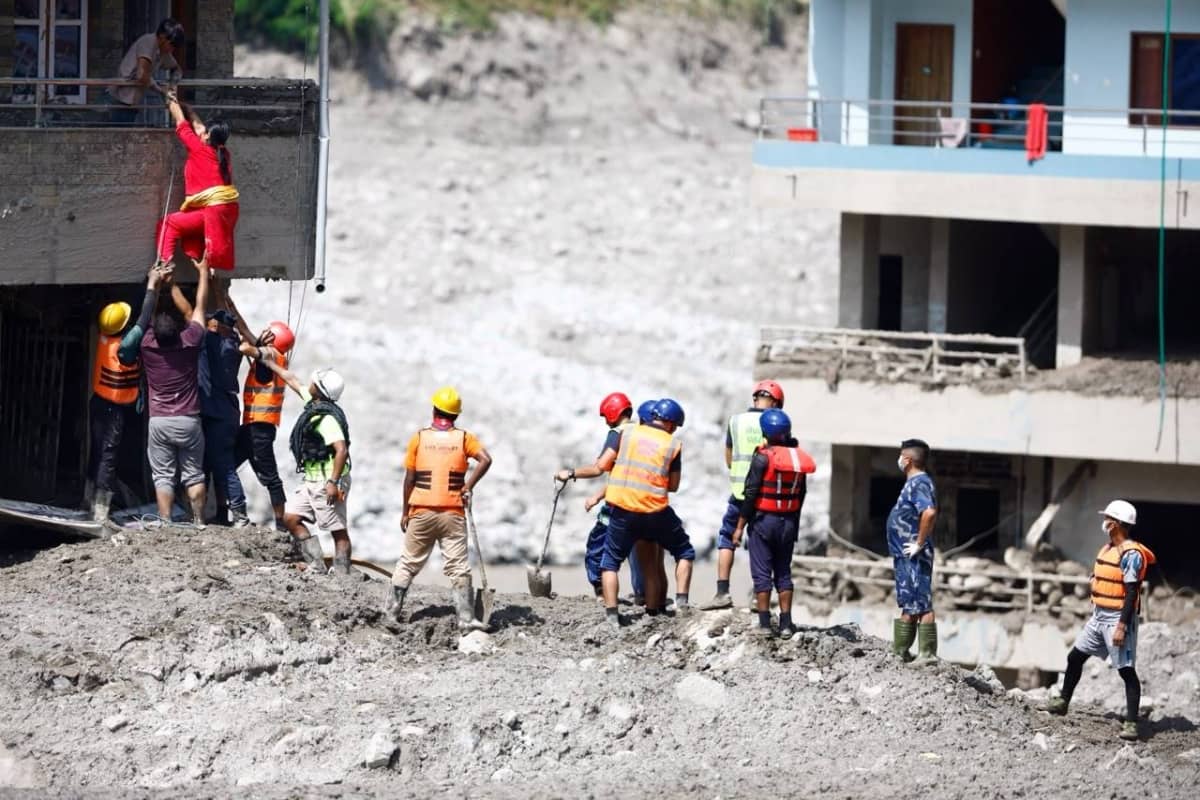
The immediate impact of the surge included the erasure of settlements and the destruction of bridges in the affected areas. The force of the flood was described as tearing through the landscape, causing widespread physical destruction. The event has been identified as a recent catastrophe within Nepal, highlighting the volatile nature of high-altitude glacial formations.
Environmental Factors and Structural Weakness
The glacier's weakening prior to the collapse was described as invisible to observers until the moment of failure. The moraine walls, which had been shaped by centuries of cold conditions, were unable to withstand the force of the surge. Reports indicate that these structures surrendered in an instant due to the accelerating heat associated with a destabilized climate.
The interaction between the glacier and the meltwater lake played a critical role in the event. The swelling of the lake coincided with the glacier's detachment, contributing to the volume and velocity of the resulting flood. This combination of glacial instability and climatic warming has created conditions where sudden failures can occur without prior visible signs.
Geopolitical Implications of Upstream Activities
The disaster has been framed as a warning to governments across the Himalayan region regarding the geopolitical implications of climate change and upstream activities. The article argues that nations in the region have long mistaken altitude for insulation from such risks, but the event serves as a summons that no government can afford to disregard.
Col Guru Saday Batabyal (Retd), writing for The Himalayan Times, stated that when upstream construction and secrecy become downstream risks, the consequences extend beyond immediate physical damage. The author suggests that the geopolitical landscape is shifting as climate impacts intersect with infrastructure development in the upper reaches of the mountain range.
Regional Response and Aid
In response to the disaster, India and China have sent specialist teams to aid in rescue operations in Nepal. These international efforts indicate the cross-border nature of emergency responses in the region. Additionally, UN Women reported that nearly 160,000 women and girls were affected by the floods in Nepal.
The incident has also sparked discussions regarding restitution versus aid. Some perspectives argue that Nepal is owed restitution rather than mere aid, reflecting broader tensions regarding responsibility for upstream activities that impact downstream populations. The geopolitical dynamics of the region are thus influenced not only by environmental factors but also by diplomatic and economic considerations related to disaster response.
Climate Change as a Catalyst
The accelerating heat of a destabilized climate was cited as a key factor in the weakening of the moraine walls. This environmental stressor has altered the stability of glacial formations that were previously stable for centuries. The event illustrates how climate change can rapidly transform geological conditions, leading to sudden and severe consequences.
The collapse serves as a case study for the broader risks associated with construction and secrecy in upstream regions. As noted by observers, the invisibility of the glacier's weakening process complicates early warning systems and risk assessment. The combination of hidden structural degradation and climatic pressure creates a hazardous environment for downstream communities.
Future Hazards Across the Arc
The catastrophe in Nepal is viewed as an indicator of potential future hazards across the Himalayan arc. Governments are urged to consider the interconnectedness of upstream development and downstream safety. The event underscores the need for transparency and cooperation in managing glacial resources and mitigating risks associated with climate change.
The geopolitical ramifications extend beyond immediate disaster relief, influencing long-term strategies for regional stability. As nations navigate these challenges, the balance between development, secrecy, and shared risk becomes a central issue in Himalayan diplomacy. The collapse of the glacier and the subsequent flood have thus become a focal point for discussions on climate security and cross-border cooperation.