


Iddrisu Links Rejected Motion to Recall Trigger
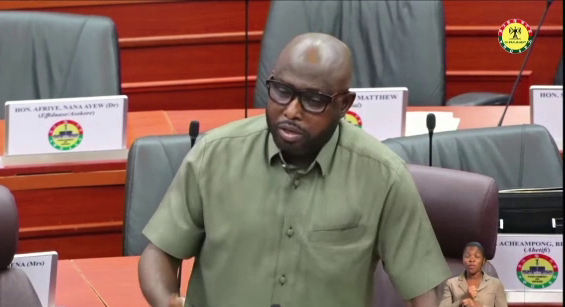
Tolon Member of Parliament and Deputy Minority Chief Whip Habib Iddrisu stated that a motion rejected by Speaker Alban Bagbin was the specific event that triggered the recall of Parliament. Iddrisu insisted that the contents of the rejected motion were identical to the memorandum previously submitted to seek the House's return.
Iddrisu told Joy News’ PM Express on Tuesday that he was "very, very surprised" by the Speaker’s decision not to admit the motion. He expressed conviction that Bagbin would have admitted it because the document contained the same substance as the earlier reference used to justify the recall.
"In the first place, the motion was not different from the reference in the memorandum that actually seeks for parliament to be recalled," Iddrisu said. He noted that the text included in the memo for the recall was exactly what was placed in the motion, giving the Speaker prior knowledge of the reason for the recall.
Iddrisu expressed surprise that the Speaker did not admit the motion, insisting its contents were identical to the memorandum previously submitted to seek the recall. He told Joy News’ PM Express on Tuesday that he was convinced the Speaker would admit the motion because it contained the same substance as the earlier reference for recall.
Minority’s Stance on Illicit Drug Concerns
The Minority had sought the parliamentary recall due to concerns about Ghana becoming a transit hub for illicit drugs and calls for urgent action on the issue. Iddrisu acknowledged that under Parliament’s Standing Orders, the Speaker has the authority to determine whether a motion is admitted.
Despite this procedural rule, Iddrisu noted that Bagbin ultimately decided not to admit the motion despite having prior knowledge of the recall's basis. The Deputy Minority Chief Whip maintained that the rejection of the motion was directly linked to the events that led to the House being recalled.
Procedural Authority and Surprise
Iddrisu acknowledged that under Parliament’s Standing Orders, the Speaker has the authority to determine whether a motion is admitted, noting that Bagbin ultimately decided not to admit it despite having prior knowledge of the recall's basis.
The Deputy Minority Chief Whip maintained that the rejection of the motion was directly linked to the events that led to the House being recalled. He emphasized that the Speaker’s decision came after already possessing the substantive arguments contained within the earlier memorandum.