

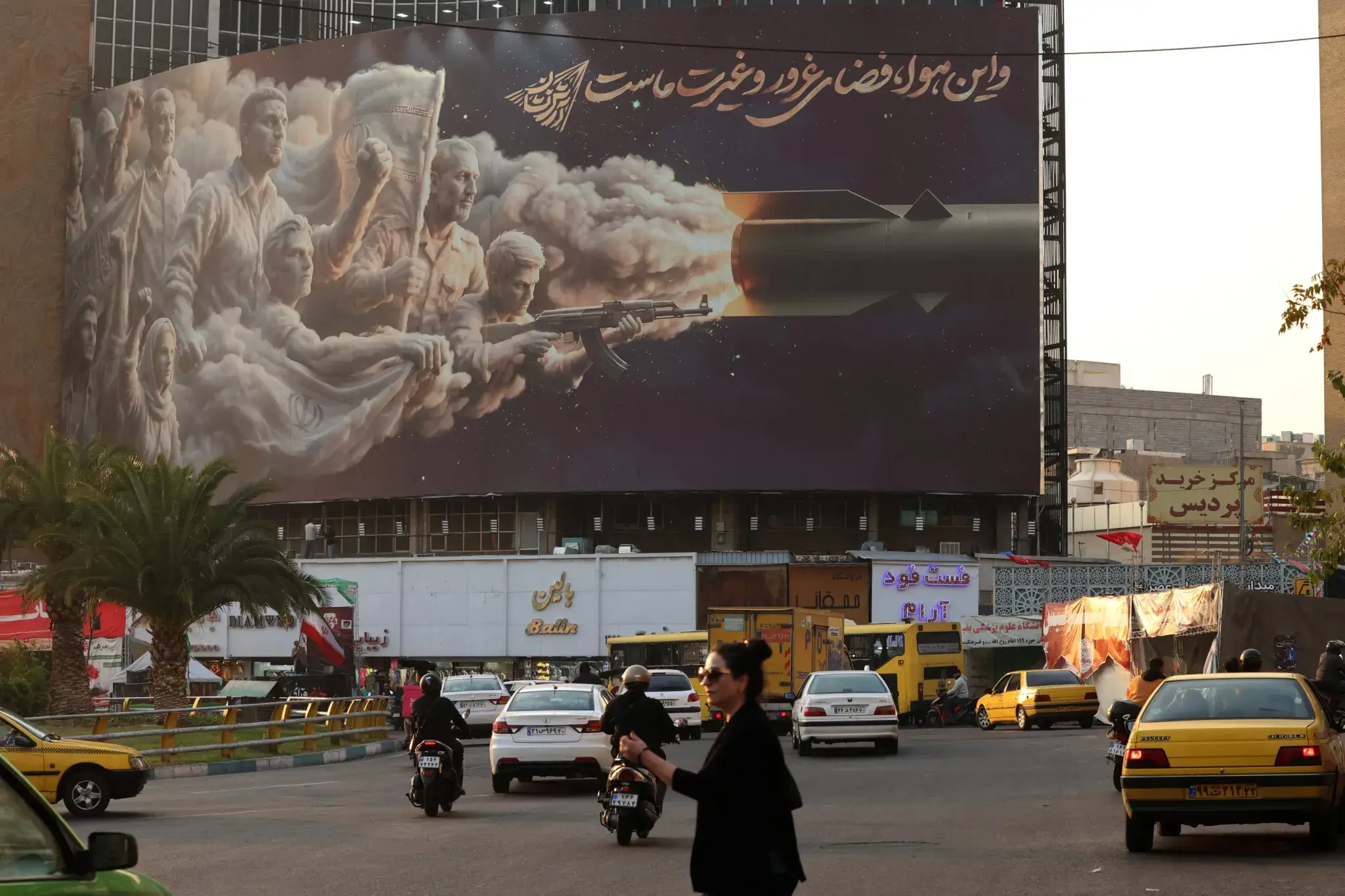

The Scale of a Historic Supply Shock
The International Energy Agency warned in its annual World Energy Outlook that there is no "credible pathway" for the world to return to its previous energy norm following the ongoing war with Iran, which has quietly escalated this week. The agency's executive director, Fatih Birol, stated he does not see a credible pathway for the energy world to return to its pre-crisis state as the conflict persists.
The nearly nine-month Iran war and the prolonged shuttering of the Strait of Hormuz represent the greatest energy supply shock in modern history, surpassing the Iranian Revolution or the 1970s Arab oil embargo. According to the IEA report, the world has cumulatively lost 2.8 billion barrels of oil over this period.
Hostilities intensified this week as Iran struck U.S. facilities in Bahrain and Kuwait. The United States countered by striking Iran’s Qeshm Island. More than 4 billion people—roughly half the global population—depended on the Middle East for over 30% of its oil supplies before the war began.
Market Adaptation and Strategic Reserves
Global oil prices have fallen below the $100 per barrel threshold, though the global benchmark remains high at more than $90. This pricing reflects seasonal demand dips and rising Middle Eastern exports. Middle Eastern oil exports are approaching 90% of their prewar levels despite ongoing military strikes, according to Raymond James energy analyst Pavel Molchanov.
Oil forecaster Dan Pickering noted that the oil market has become acclimated to periodic flare-ups as long as there is no return to all-out war, but a lack of a U.S.-Iran deal translates into a hefty risk premium. The U.S. Strategic Petroleum Reserve is at a 44-year low, limiting immediate buffer capacity for such disruptions.
About 80% of Middle Eastern oil exports were destined for Asia before the war. Countries like Saudi Arabia, the United Arab Emirates, and Iraq are moving to build pipelines to divert supplies through alternate routes in response to the disruption.
Long-Term Demand Shifts and Conflict Trajectory
Global oil demand is projected to peak by 2030 even as worldwide energy demand continues to skyrocket due to the AI boom and the rise of the middle class in developing countries. Pickering predicted an "uneasy conflict" with Iran would continue through 2027 and questioned if Iran views creating anxiety in its strategic interest.