


False Calm and the Threat of Oversupply
For a brief period, oil markets appeared to stabilize after a period of intense volatility. The Strait of Hormuz was reopening, allowing stranded tankers to resume movement. Traders initially believed the worst of the crisis had passed as oil prices began falling back toward pre-war levels. By the end of June, the market focus shifted away from immediate shortages. Instead, attention turned to the possibility that too much oil could arrive in the global market simultaneously.
This sense of calm did not persist. The immediate fear of a prolonged disruption faded as Gulf production recovered and cargoes returned to the market. Buyers had already secured alternative supplies, reducing the urgency for spot purchases. Brent crude traded close to $73 a barrel on June 29 after falling sharply from its wartime highs. Prices weakened further in early July as the market shifted its attention toward rising supply and softer demand.
Analysts noted that the possibility of an oil glut began to look more credible than another price spike during this period. The market was no longer pricing in a shortage but rather anticipating a surplus. This shift suggested that the initial geopolitical shock had been absorbed by supply adjustments and inventory builds.
Geopolitical Tensions Resurface
The stability proved temporary as fresh attacks on commercial vessels disrupted the region. Renewed military exchanges between the United States and Iran reminded the market that the Strait of Hormuz, while open, is not safe. Brent crude prices quickly climbed back toward $80 a barrel. This represented a rise of roughly 8 percent from its June 29 level.
The reversal in price was driven less by changes in demand and more by renewed fear. The risk of another disruption returned to the forefront, causing traders to rebuild the geopolitical premium that had only recently disappeared. The market is no longer dealing with a simple question of whether the Strait is open or closed. It is operating in a state where the route is technically accessible but fraught with uncertainty.
Shipping and Insurance Costs Rise
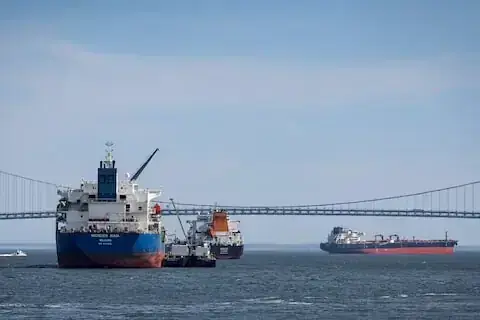
Tankers are moving through the region, but shipowners remain cautious. Insurance and security costs have increased significantly due to the ongoing threats. LNG traffic remains weak despite the reopening of the waterway. Oil can pass through the Strait of Hormuz, but not with the same speed, confidence, or predictability as before the conflict began.
Uneven Recovery in Production
The recovery in supply is uneven across different segments of the energy market. Gulf crude production and exports have improved significantly, easing fears of an immediate shortage of raw crude oil. However, crude is only one part of the equation. Refineries across the region are taking longer to recover from the disruptions.
Exports of refined products such as diesel, jet fuel, and LPG remain constrained by these slower refinery recoveries. The disparity between crude availability and refined product output creates a complex landscape for global energy traders. While raw materials may be flowing, the finished goods required by many markets are not yet available at pre-conflict levels.
Market Volatility Continues
The juxtaposition of recovering crude supply and lagging refinery output highlights the fragility of the current market state. Traders must navigate a situation where the physical flow of oil is possible but economically and logistically more expensive than before. The return of geopolitical risks has reset the baseline for price expectations, making the earlier fears of oversupply seem distant.
As military tensions persist and attacks on commercial vessels continue, the market remains sensitive to any new developments in the region. The Strait of Hormuz serves as a critical chokepoint, and its security directly influences global energy prices. Until the region stabilizes further, oil markets will likely continue to reflect the underlying geopolitical risks alongside supply and demand fundamentals.