


The Formation of a Missile Network Across China’s Strategic Periphery
In the spring of 2022, diplomatic channels opened for a significant defense transaction when the Philippines became the first country outside India to acquire the BrahMos supersonic cruise missile. At that specific moment in time, observers viewed this acquisition as a single, isolated event representing an individual sale between two sovereign nations. The initial perception was limited to understanding the terms of one agreement without anticipating how it would influence broader regional security architectures.
Subsequent developments have transformed what initially appeared to be discrete commercial transactions into something analysts describe as far more consequential: the deliberate construction of a missile network across China’s strategic periphery. This evolution has reshaped the security calculus in the South China Sea and is forcing Beijing to reckon with a new kind of threat profile.
Analysts note that this emerging threat does not originate from a superpower, but rather stems from India’s smaller neighbors who are now armed with what some experts characterize as one of the world’s most capable anti-ship weapons. The strategic implication involves placing advanced weaponry within range of China’s maritime interests in ways that were not present during previous geopolitical configurations.
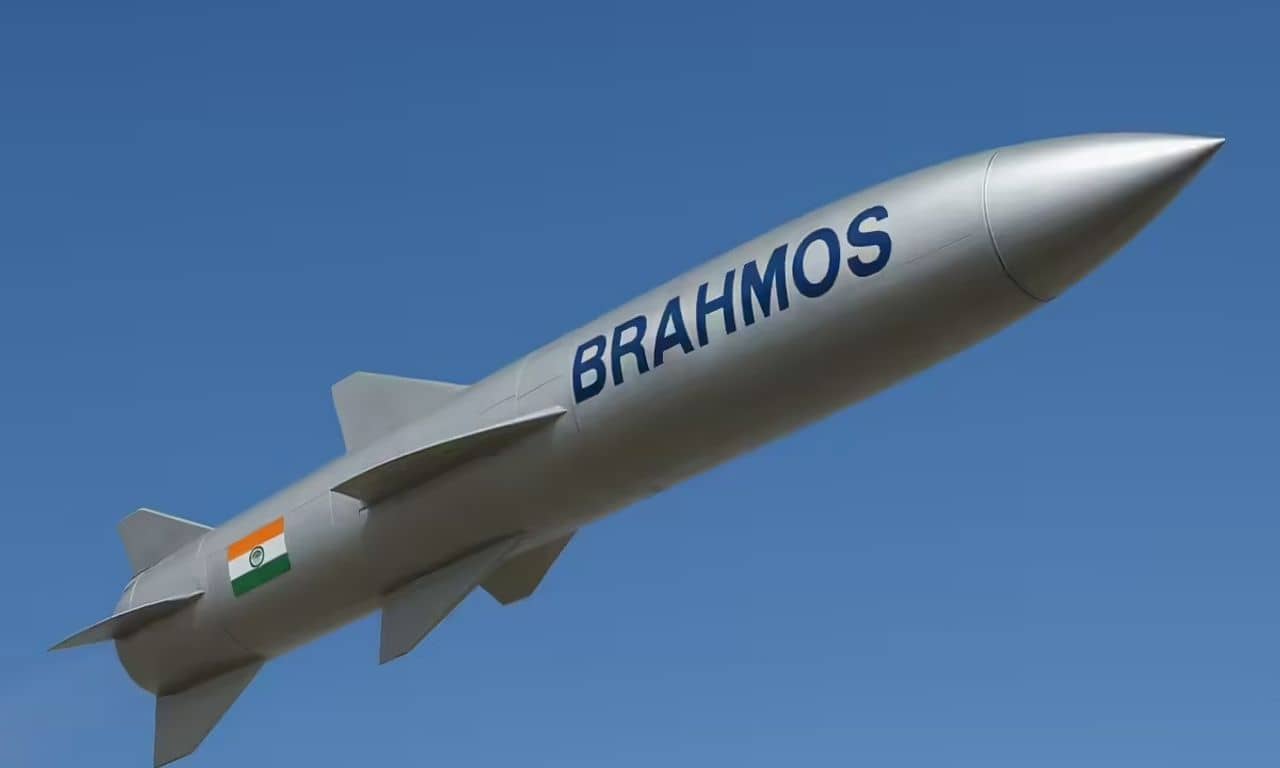
The BrahMos missile system sits at the center of this developing strategy as a joint venture between India’s Defence Research and Development Organization and Russia’s NPO Mashinostroyeniya. This collaboration produces a supersonic cruise missile that travels at approximately Mach 2.8, which is nearly three times the speed of sound in standard atmospheric conditions.
The system possesses an operational range of 450 kilometers and carries a warhead capable of penetrating hardened ship hulls. These technical specifications allow for multiple deployment options including land-based platforms, sea-launched systems from surface ships or submarines, air-launch capabilities from aircraft, and submarine integration. This versatility combined with the missile’s speed creates significant challenges for conventional naval air defense systems attempting to intercept incoming threats in contested maritime environments.
Experts suggest that in a contested environment like the South China Sea where China operates some of the most capable surface combatants currently available in Asia, BrahMos fundamentally changes the threat calculus for any naval force operating within range of a shore-based battery. The combination of high velocity and hardened penetration capabilities makes interception increasingly difficult against traditional defense architectures.
A Triangle of Deterrence Involving Three Key Nations
The strategic initiative involves three specific deals that together constitute what analysts are beginning to call the “BrahMos belt.” These agreements were signed in rapid succession, creating a contiguous line of advanced missile systems along China’s maritime borders.
Regarding the Philippines agreement specifically, officials finalized a $375 million contract in 2022 for three shore-based coastal defense batteries. Deliveries under this arrangement began in 2024, marking the first operational deployment of BrahMos outside India’s borders.
In May 2026, India confirmed a roughly $620 million deal with Vietnam for BrahMos missiles. Indonesia is also reported to be acquiring the BrahMos missile system according to available reporting on regional defense procurement patterns.
These three nations form what analysts describe as a triangle of deterrence positioned strategically along China’s southern maritime approaches. The geographic positioning allows these systems to cover critical sea lanes and approach routes that were previously considered relatively secure from such advanced weaponry.
The Strategic Implications for Regional Security
Defense experts indicate that this network of BrahMos deployments strengthens regional deterrence mechanisms across the Indo-Pacific region. The presence of these systems increases strategic costs associated with maritime coercion by any actor operating within their effective range envelope.
India’s Act East policy receives support through these defense partnerships as they extend New Delhi’s security engagement beyond its immediate neighborhood into deeper Southeast Asian waters. The acquisition of BrahMos systems represents a significant shift in how regional powers approach maritime defense planning and threat assessment.
Analysts observe that the deliberate placement of missile batteries across China’s strategic periphery creates what some describe as a new layer of complexity for Beijing’s naval planners. The ability to launch from multiple platforms including land, sea, air or submarine means operators have flexibility in how they deploy these systems while maintaining operational security.
The speed and versatility of the BrahMos system make it difficult for conventional naval air defense systems currently fielded by many regional navies to intercept effectively. This technical advantage shifts the balance of power in contested maritime environments where traditional force asymmetries might otherwise favor larger powers with bigger fleets but slower response times.
As these deliveries continue and operational deployments expand, the security architecture of Southeast Asia undergoes transformation that challenges established assumptions about regional stability and defense procurement. The BrahMos belt represents not merely a collection of individual sales but an integrated approach to maritime deterrence that alters how nations calculate risk in contested waters.