


Jaishankar Outlines Economic Challenges at UNGA Summit
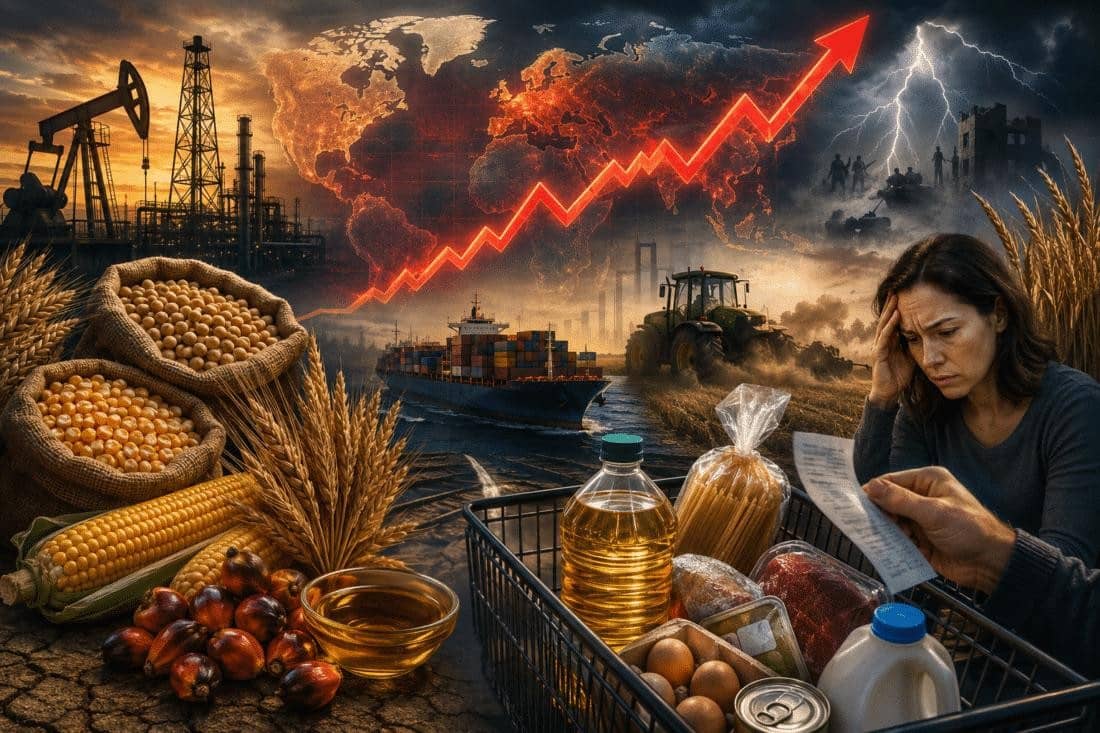
India’s External Affairs Minister Dr. S. Jaishankar has issued a warning to citizens regarding what he termed the ‘Four F crises’ facing the nation: food, fuel, fertilizer, and finance. The minister made this pronouncement while in New York, where he was co-sponsoring the first-ever ‘Partners for Multilateralism, International Law, Peace and Prosperity (P4M)’ Summit on the sidelines of the 81st United Nations General Assembly (UNGA).
According to Tatsat Chronicle Magazine, Dr. Jaishankar’s appeal serves as a "timely wake-up call" to a crisis that is no longer looming but is already present. The outlet reports that these four sectors are caught in an upward spiral of costs and uncertainty, potentially constituting one of India’s most formidable economic challenges in recent years.
The minister emphasized the need to revive multilateral cooperation in these critical areas. This call for cooperation comes at a moment when conflict is increasingly displacing cooperation, and national interests are overriding collective efforts, according to the publication.
Global Factors Driving Cost Increases
Tatsat Chronicle Magazine cites several global factors contributing to the instability in these sectors. The war in Ukraine has disrupted grain exports through the Black Sea, exposing vulnerabilities in global food supplies. Additionally, American actions in the Middle East and Venezuela are described as adding uncertainty to energy markets and fuel prices.
On the regulatory front, the United States has passed the Lindsay Graham Russia Sanctions Act. This legislation threatens 100 per cent tariffs on countries that trade with Russia on energy, a move that could further complicate India's energy procurement strategies.
The impact of these global pressures is already visible in domestic markets. Reports indicate that consumer electronics prices in India have risen by 7 to 15 per cent due to tightening copper supplies and broader global commodity market pressures.
Government Response and Constraints
The government’s recognition of these challenges has prompted remedial measures, according to the report. However, the outlet notes that these interventions face constraints on financing and disruptions to supply chains.
Tatsat Chronicle Magazine states that the long-term effectiveness of these interventions will depend on various factors, though it does not specify what those specific dependencies are beyond the general context of global instability and domestic constraints.