


Shifting Focus Toward Middle Powers Amidst Strategic Uncertainty
New Delhi has intensified its diplomatic engagement with middle powers within the Indo-Pacific region. This strategic pivot occurs as growing uncertainty surrounds the future of United States security commitments in Asia. Analysts indicate that New Delhi is constructing a complex web of partnerships designed to facilitate cooperation among nations possessing diverse strategic interests without necessitating formal alliance structures.
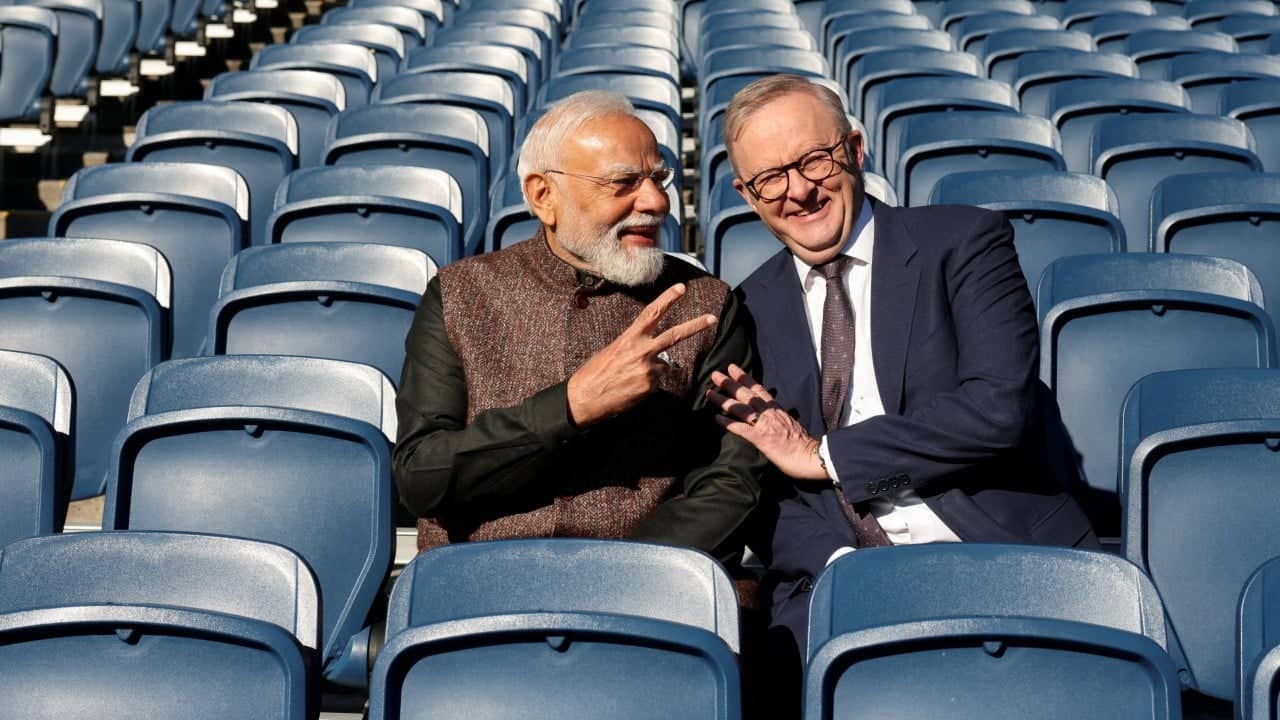
Prime Minister Narendra Modi led this diplomatic push by undertaking a six-day tour across the Indo-Pacific region from July 6 to July 11. The itinerary included visits to Indonesia, Australia, and New Zealand. During these engagements, Indian officials signed numerous agreements intended to bolster defense capabilities, maritime security measures, and trade relations.
This series of diplomatic activities followed a separate visit by Japanese Prime Minister Sanae Takaichi to India from July 1 to July 3. Following that earlier meeting between the two leaders, both nations executed several significant agreements. These included establishing their first-ever joint defense co-development project specifically focused on naval systems and equipment.
Srinivasan Balakrishnan serves as the director of strategic engagements and partnerships at the Indic Researchers Forum, a security think tank based in Delhi. He stated that India's current approach reflects a distinct preference for flexible partnerships rather than traditional alliance structures reminiscent of Cold War-era containment strategies.
“This is not Cold War-style containment but a practical, multi-aligned network that fills the vacuum left by fluctuating US commitments,” Balakrishnan said during an interview regarding the strategic shift. He further noted that India could leverage its credibility as a ‘non-hegemonic power’ to potentially act as a net security provider in the region.
The emphasis on flexible partnerships allows for cooperation without binding countries into rigid military pacts often associated with formal alliances. This model permits nations to collaborate on specific issues while maintaining independent foreign policy stances elsewhere.
Defense Co-Development and Maritime Security Initiatives
The agreements signed during the recent diplomatic tour are expected to have tangible impacts on regional security architecture. The focus extends beyond simple military exercises or trade deals into deeper integration of defense industries. By prioritizing co-development projects, India aims to create interdependencies that sustain cooperation even when broader geopolitical alignments shift.
Specific attention is being paid to naval systems and equipment through the joint project with Japan. This initiative marks a departure from previous models where nations might purchase finished hardware or engage in limited interoperability exercises. Instead, the co-development framework suggests a shared investment in technology transfer and manufacturing capabilities within the Indo-Pacific.
Maritime security remains a central pillar of these new partnerships. The agreements signed with Indonesia, Australia, and New Zealand are reported to include provisions for enhancing maritime domain awareness and protecting sea lanes critical to global commerce. These efforts align with broader regional goals but are executed through bilateral frameworks rather than multilateral command structures.
Trade relations also receive significant attention under this new playbook. Enhancing economic ties is viewed as a mechanism to deepen security cooperation, creating incentives for stability that transcend purely military considerations. Analysts suggest that by strengthening commercial links alongside defense agreements, India builds resilience against external shocks or political friction.
The Role of Credibility and Non-Hegemonic Status
Srinivasan Balakrishnan highlighted the importance of India's status as a ‘non-hegemonic power’. This characterization suggests that unlike traditional superpowers, India does not seek to dominate regional politics or impose its will on smaller neighbors. Instead, it positions itself as a facilitator capable of bringing diverse actors together around shared security concerns.
This approach contrasts with alliance structures where membership often requires adherence to specific strategic doctrines led by a dominant partner. In the proposed ‘practical, multi-aligned network’, countries retain autonomy while contributing resources or capabilities toward collective goals. The flexibility allows for participation from nations that might otherwise hesitate to join formal pacts due to historical grievances or competing interests.
Analysts describe this strategy as filling a security vacuum created by the perceived uncertainty regarding US commitments in Asia. While official statements often emphasize continued partnership with Washington, analysts note that reliance on any single power carries risks if geopolitical priorities shift unexpectedly. By diversifying its network of partners, India seeks to mitigate these risks while maintaining strategic independence.
The timing of these diplomatic efforts underscores their urgency. The visits occurred in rapid succession, suggesting a coordinated effort to capitalize on momentum and build consensus before regional dynamics change further. The inclusion of diverse nations from the Indian Ocean rim to the Western Pacific indicates an intent to create a broad-based coalition that transcends traditional geographic blocs.
As these partnerships mature, they may redefine how security is conceptualized in the Indo-Pacific. Rather than viewing security through zero-sum competition or rigid alliance lines, India promotes a model where cooperation thrives despite differing strategic interests among participating nations. This pragmatic approach offers an alternative to established frameworks that have dominated regional politics for decades.