


Diplomatic Accord on Maritime Profits Reached
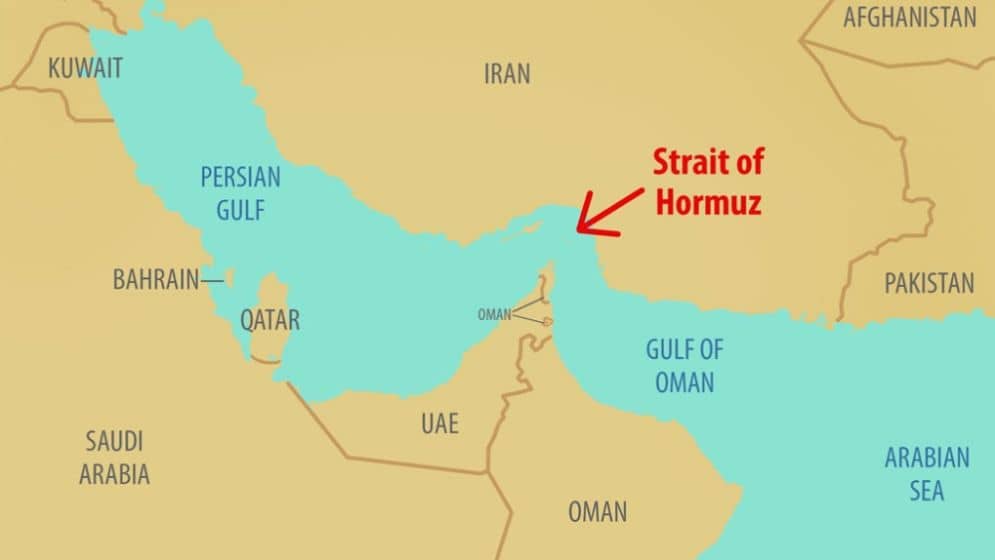
Iran and Oman have formally concluded negotiations regarding the financial management of the Strait of Hormuz, a critical maritime chokepoint in the Persian Gulf. According to reports from the Daily Sun, the two nations have reached an agreement concerning their respective shares of the revenues generated by the waterway. The accord specifically addresses the mechanism for dividing profits derived from commercial and strategic activities within the strait.
The agreement marks a significant diplomatic development between Tehran and Muscat, highlighting Oman's traditional role as a mediator in regional affairs. While the specific financial terms of the division were not detailed in the initial reports, the focus remains on the structured sharing of economic benefits associated with the vital shipping lane. This arrangement underscores the growing cooperation between the two neighboring countries in managing regional maritime resources.
Reopening Contingent on U.S. Action
Despite the progress made in financial negotiations, the physical reopening of the Strait of Hormuz remains unresolved. Officials have stated that the waterway will not be reopened if the United States does not take specific steps to address the underlying tensions. This conditionality links the economic agreement directly to broader geopolitical pressures exerted by Washington.
The statement implies that the closure or restriction of traffic through the strait is currently tied to U.S. policy decisions. Without explicit actions from the American government, the operational status of the strait will remain unchanged, regardless of the financial accord signed between Iran and Oman. This creates a scenario where economic cooperation is possible, but practical access to the waterway is held hostage by external diplomatic demands.
Strategic Implications for Regional Stability
The Strait of Hormuz serves as a crucial artery for global oil trade, with a significant portion of the world's petroleum supplies passing through its waters. Any disruption or alteration in its usage has immediate implications for international energy markets and geopolitical stability. The agreement between Iran and Oman to share revenues suggests an attempt to stabilize economic interests in the region, even as political tensions persist.
However, the contingency regarding U.S. action highlights the complex interplay of regional powers. The strait's status is not solely determined by local actors but is influenced by broader international dynamics. The requirement for U.S. steps to reopen the waterway indicates that any resolution to the current impasse requires multilateral engagement, particularly involving Western powers.
Oman's Mediating Role and Regional Dynamics
Oman has long positioned itself as a neutral party in Middle Eastern conflicts, often facilitating dialogue between rival states. The current agreement with Iran aligns with this historical approach, allowing Oman to engage economically while maintaining diplomatic channels open. By securing a share of the strait's revenues, Oman strengthens its position as a key stakeholder in regional maritime security.
The involvement of the United States in the reopening condition reflects the global significance of the Strait of Hormuz. As a major naval power with interests in the Persian Gulf, U.S. policy directly impacts the operational freedom of states in the region. The linkage between financial agreements and geopolitical concessions illustrates the interconnected nature of economic and security issues in the Middle East.
As negotiations continue, the focus remains on whether the United States will take the necessary steps to facilitate the reopening of the strait. Until such actions are taken, the economic benefits agreed upon by Iran and Oman will remain theoretical, with the physical waterway remaining closed or restricted. The situation underscores the delicate balance between diplomatic achievement and geopolitical reality in the region.