

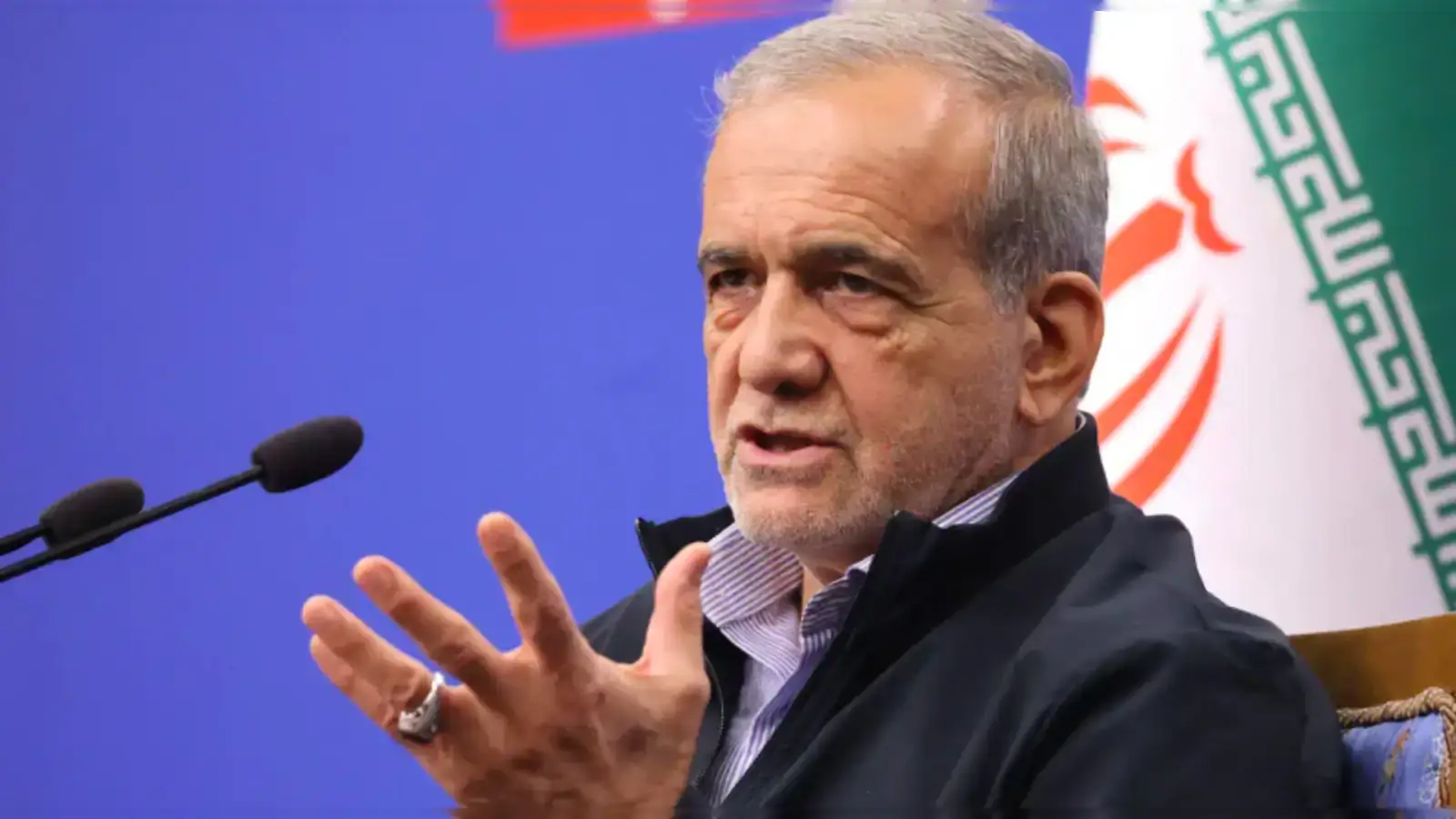

Pezeshkian Urges Diplomatic Engagement With Washington
Tehran: Iranian President Masoud Pezeshkian has issued a direct appeal to U.S. President Donald Trump, urging the American leader to avoid creating further turmoil between the two nations. Speaking at a ceremony in Tehran on Saturday, August 29, Pezeshkian outlined Tehran’s position that differences between Iran and Washington can be resolved through dialogue and the implementation of a memorandum of understanding between the two countries.
According to reports from the Mehr News Agency, the Iranian president emphasized that negotiations offer a viable path to addressing outstanding issues while safeguarding Iran's interests. Pezeshkian stated that proceeding through dialogue and on the basis of the memorandum of understanding would allow both sides to resolve problems and secure their respective rights. This approach, he suggested, represents a pragmatic pathway to de-escalation and mutual benefit, moving away from cycles of confrontation that have historically characterized the relationship.
The statement was delivered during a public ceremony, marking a formal diplomatic overture from Tehran toward Washington. Pezeshkian added that it is in the interests of Iran, the region, and the wider world for Trump to avoid fuelling instability. The president’s remarks were aimed at establishing a framework for future interactions that prioritizes negotiation over confrontation, signaling a desire to shift the dynamic of bilateral relations towards a more constructive engagement.
Tehran's Proposed Diplomatic Path
Pezeshkian’s call for dialogue was specific, referencing the need to implement existing understandings between Tehran and Washington. He indicated that such implementation is crucial for resolving outstanding issues that have contributed to prolonged tensions. By highlighting a memorandum of understanding, Pezeshkian pointed to a concrete mechanism through which both nations could systematically address disagreements and work towards common ground, rather than relying on ad hoc or confrontational measures. This emphasis suggests a strategic effort by Tehran to formalize a process for dispute resolution.
The Iranian president also reiterated that a united nation defending its rights is essential, framing the diplomatic push as an effort to secure Iran's sovereignty and national interests through peaceful means. This dual message — an invitation for negotiation coupled with an affirmation of national strength — underscores Tehran's current diplomatic strategy under Pezeshkian, which seeks to open channels with the United States while simultaneously projecting resolve against perceived external pressures. The president’s statements serve as both an invitation for negotiation and a warning regarding potential responses to aggression, aiming to set clear parameters for future engagement.
Regional Dynamics and Accusations Against Israel
In addition to his address regarding U.S.-Iran relations, President Pezeshkian directed sharp criticism toward Israel during the same event. He accused Israel of causing insecurity in the region and actively seeking to deepen divisions among Muslim countries. These accusations were presented as part of a broader narrative regarding regional stability and the factors contributing to unrest, positioning Israel as a primary destabilizing force from Tehran's perspective.
Pezeshkian's remarks underscore a consistent theme in Iranian foreign policy, which often links regional instability to the actions of certain external and internal actors. By accusing Israel of fostering insecurity and division, the Iranian president sought to highlight what Tehran perceives as a concerted effort to undermine regional cohesion and create an environment ripe for conflict. This perspective frames Israel's actions as detrimental not only to specific nations but to the broader unity and security of the Islamic world.
Tehran's Stance on Conflict and Defense
Addressing the possibility of military conflict, Pezeshkian asserted that Tehran does not favor war but remains prepared to respond strongly to any aggression. He maintained that Iran would stand with strength against aggression and defend itself if necessary, emphasizing the nation's commitment to protecting its sovereignty and territorial integrity. These comments were framed as a clear deterrent, clarifying Tehran’s preference for diplomatic solutions while unequivocally affirming its readiness to protect its national interests through robust defensive measures.
The Iranian president’s remarks came at a time of heightened attention on regional dynamics, where the interplay of various state and non-state actors often leads to volatile situations. By linking the potential for stability with U.S. policy decisions and criticizing Israeli actions, Pezeshkian sought to position Iran as an actor seeking resolution through established diplomatic channels rather than escalation. His statements reflect a strategic effort to define Iran's role in the region as one that advocates for dialogue and peace, while simultaneously signaling a firm stance against any perceived threats to its security.