

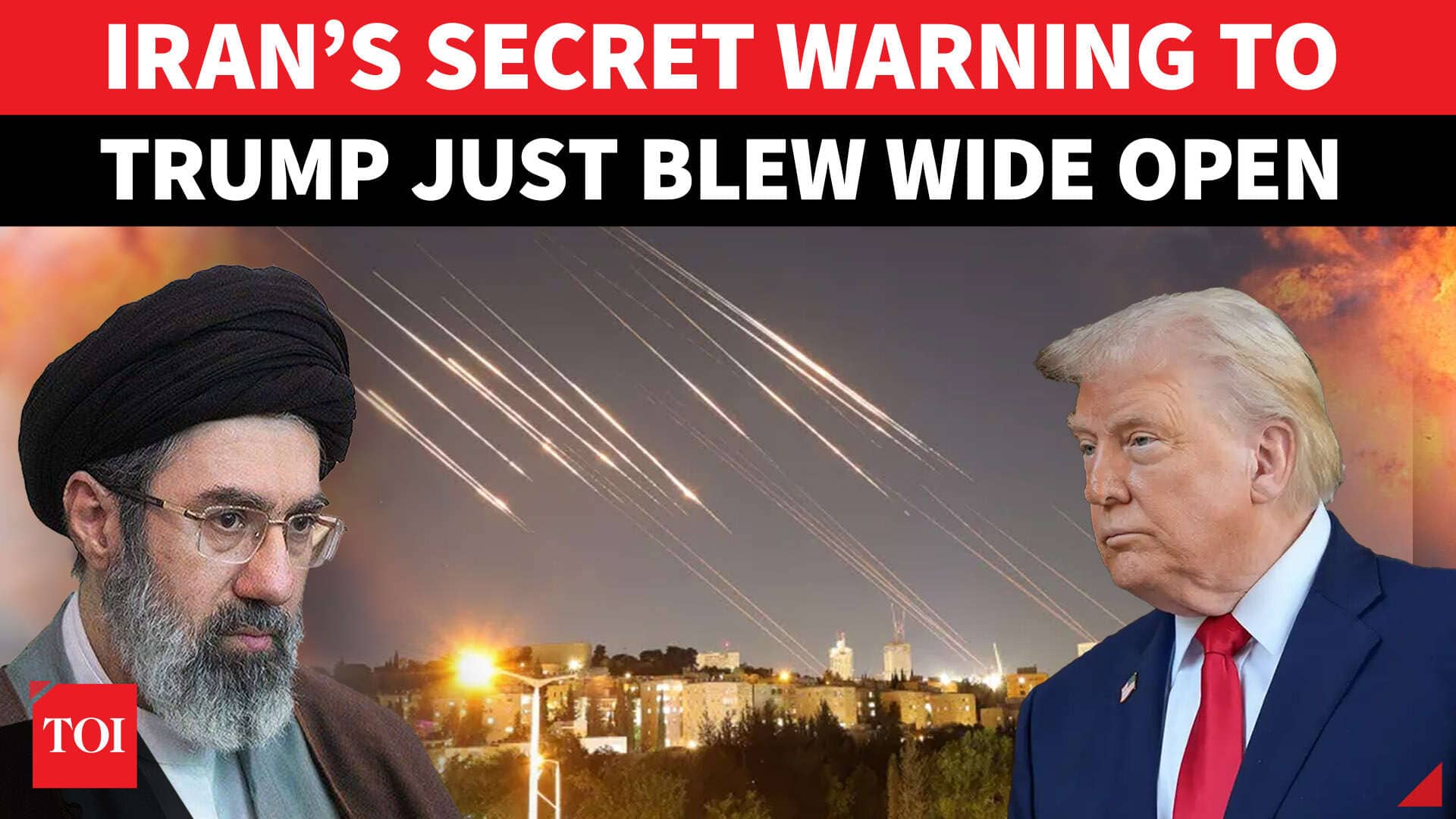

Iran's Security Chief Delivers Defiant Message Amid Ongoing US Negotiations
Negotiations between the United States and Iran are continuing, with officials from both nations publicly describing the talks as progressing. Despite this diplomatic optimism, a senior figure within Iran's security establishment has delivered a starkly defiant message, underscoring persistent tensions.
Hardline Stance from Supreme National Security Council
Mohammad Baqer Zolqadr, who serves as the head of Iran's Supreme National Security Council, issued a statement that contrasts sharply with the public narrative of diplomatic advancement. Zolqadr declared that "retreat will not happen," signaling a firm stance from Tehran's security apparatus. He further asserted that "Americans and Zionists must become desperate," indicating a strategy aimed at increasing pressure on opposing parties.
Zolqadr's message also included the sentiment, "'Let Trump Get More Desperate'," a direct reference that highlights the political context surrounding the discussions and potentially indicates a perceived leverage point for Iran. The Supreme National Security Council is a key advisory body to Iran's Supreme Leader, responsible for formulating national security policies, which lends significant weight to Zolqadr's pronouncements.
Scope of Ongoing Discussions
The current negotiations encompass several critical areas aimed at de-escalating regional tensions and addressing long-standing disputes. Key topics under discussion include efforts to end existing conflicts, the reopening of the strategically vital Strait of Hormuz, and comprehensive discussions regarding Iran's nuclear program. The Strait of Hormuz is a crucial maritime chokepoint for global oil shipments, and its security is a significant international concern.
Absence of Fixed Timetable for Agreement
Amidst the ongoing talks, Iran has publicly stated that there is currently no fixed timetable for finalizing any agreement with the United States. This position suggests a cautious approach from Tehran, indicating an unwillingness to be rushed into a resolution and potentially reflecting the complexities inherent in reaching a comprehensive deal.
Divergence Between Diplomacy and Rhetoric
The comments from Mohammad Baqer Zolqadr highlight a notable gap between the optimistic tone often conveyed by diplomatic channels and the hardline rhetoric emanating from key figures within Tehran's security apparatus. While officials may describe talks as progressing, such defiant statements from influential security figures suggest that significant internal resistance or strategic posturing remains a factor in Iran's approach to the negotiations. This divergence indicates that even as diplomatic efforts continue, internal dynamics within Iran's power structure may influence the pace and ultimate outcome of any potential agreement.