


Diplomatic Niceties Take Precedence at White House
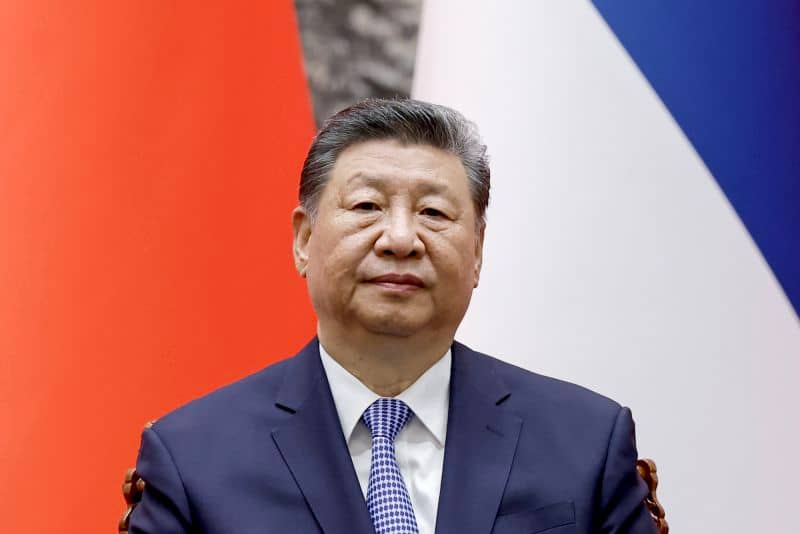
President Donald Trump and Xi Jinping traded compliments and extended a trade truce during the Chinese leader’s first visit to the U.S. capital in more than 10 years, according to CNN. The meeting, which took place four months after their previous encounter, was characterized by ceremonial gestures rather than immediate policy shifts.
During the summit, the two leaders exchanged gifts and acknowledged the potential for collaboration on containing the dangers associated with artificial intelligence development. Xi Jinping emphasized the importance of cooperation during a state dinner at the White House, framing China’s rise as beneficial to America rather than a threat.
"The friendship between the two peoples is a worthy cause that holds great promise," Xi said at the dinner, urging leaders to "join hands and move forward side by side." He also drew parallels between Trump’s political messaging and Chinese strategic goals, likening the former president’s "Make America Great Again" slogan to his own vision for the "Great rejuvenation of the Chinese nation," a plan aimed at transforming China into a global powerhouse.
Trump detailed a history of trade and friendship between the two nations during the event. "President Xi and I both understand that we represent different systems, but the ties between our people endure. We’ve never gotten along better," Trump stated.
Limited Business Breakthroughs Signal Stabilization Phase
Despite the warm rhetoric, the summit did not yield substantial breakthroughs in business or trade relations. Xi traveled to Washington without a large delegation of business executives, a departure that indicated the current state of economic negotiations between the two powers.
Cui Hongjian, an international relations scholar with Beijing Foreign Studies University, told CNN that both nations are currently in a phase focused on stabilizing the political situation rather than pursuing aggressive economic expansion. Wu Xinbo, a Chinese Foreign Ministry adviser, added that there were concerns within Beijing that some members of Trump’s team held less positive views on U.S.-China relations than the president himself.
Xi expressed hope that the United States would welcome Chinese companies and businesses, even as China has maintained record exports, strong development in AI and robotics, and a firm grip on rare earth metals essential to the U.S. economy despite American protectionist measures.
Access Restrictions Spark Concerns Over Perception
The summit’s media coverage was restricted when Trump barred reporters from CNN, MSNBC, and Politico from the White House press pool. Major TV news networks did not air the meeting as a result of this ban, although a court later overturned the restriction.
Trump’s actions raised concerns among U.S. and Chinese officials regarding how the summit would be perceived by the public and international observers. One of Xi’s primary objectives during the visit remains chipping away at U.S. support for Taiwan, a key geopolitical issue in bilateral relations.