


Tehran’s Strategic Calculus Amidst Conflict
Iran’s leadership maintains a theory of victory in its ongoing conflict with the United States, asserting that the Islamic Republic can endure U.S. pressure and inflict sufficient damage on global energy markets to force Washington to abandon its containment strategy. This perspective persists despite intense military campaigns and economic sanctions implemented by the Trump administration.
Treasury Secretary Scott Bessent declared on September 1 that the United States intends to "economically asphyxiate" the Iranian regime. The U.S. has implemented fresh sanctions and maintained a naval blockade of Iran’s southern coast, aiming to wear down Tehran’s will through economic degradation.
Despite these measures, officials in Tehran believe they have defeated the United States. Their assessment is based on surviving U.S.-Israeli bombardment, retaliating by damaging American military bases, and obstructing the Strait of Hormuz. The Islamic Republic shares ambitions to evict U.S. forces from the Persian Gulf, force Washington to remove all sanctions, and gain acceptance as a great power in the post-American Middle East.
Assassination of Khamenei Fails to Spark Uprising
The conflict has seen significant tactical shifts for the United States, including the assassination of former Iranian Supreme Leader Ali Khamenei. However, strategic assessments suggest these actions have failed to achieve their intended political outcomes.
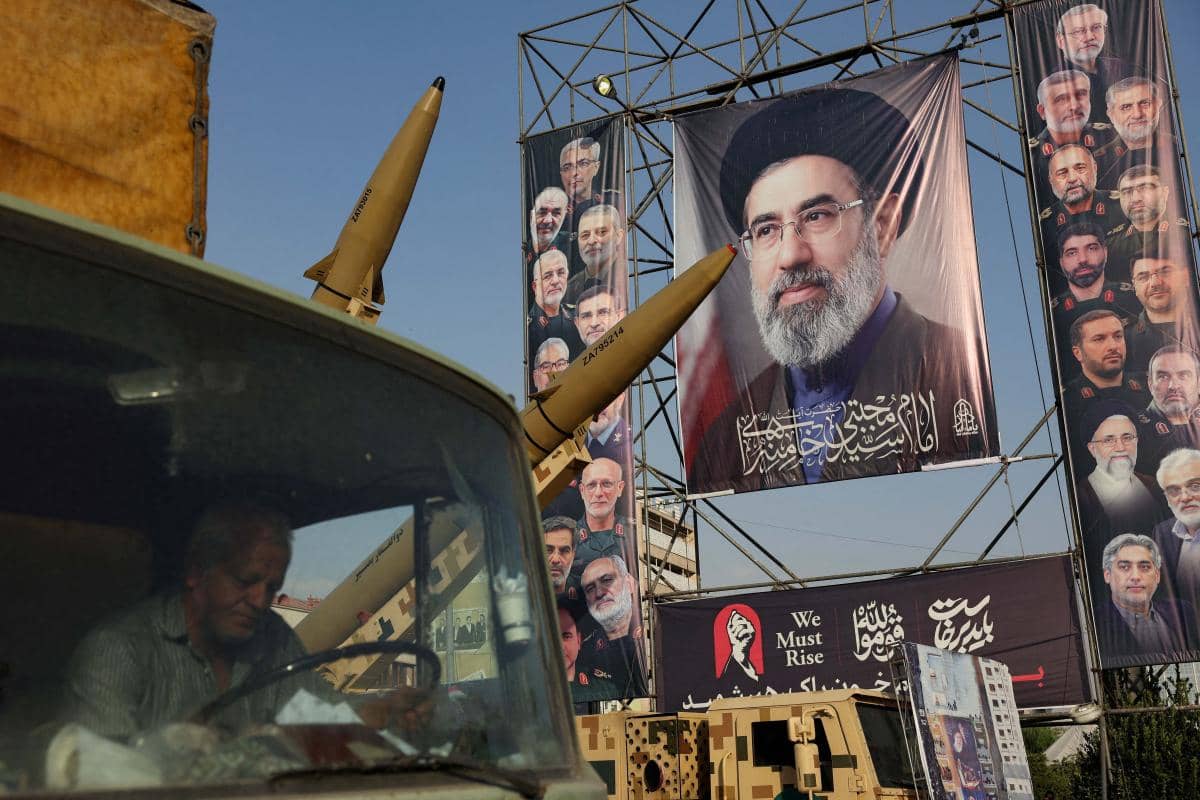
Washington hoped that bombardments and economic degradation would break Iran’s resolve. Instead, the assassination of Khamenei did not prompt a mass antigovernment uprising. Rather than fracturing the regime, the event galvanized ardent supporters who marched in major cities. These demonstrations included Iranians from various political hues, indicating a consolidation of public sentiment around the government.
A surge in nationalism has occurred within Iran. Anger at the domestic government has been subsumed by anger at Washington. Previously skeptical Iranians are now rallying around the flag, accepting hardship as necessary for self-defense.
Economic Hardship and Refugee Dynamics
The human and economic cost of the conflict remains high within Iran. Months of American and Israeli bombings have damaged the country’s industries and infrastructure. These attacks have spiked unemployment and pushed more Iranians into poverty. Simultaneously, sanctions and blockades have caused rampant inflation.
Demographic shifts during the war have defied initial expectations regarding refugee flows. While Turkey initially planned to accommodate 70,000 Iranian refugees, few fled the country as the war progressed. This lack of mass exodus contrasts with typical patterns seen in prolonged conflicts.
Conversely, many Iranians living abroad returned home during the conflict. This group included exiled cultural figures, journalists, and politicians. Notable returnees included singers Mohsen Namjoo and Bijan Mortazavi. Their return coincided with the broader surge in nationalism described by analysts.
Assessment of U.S. Strategic Failure
Analysts describe the conflict as strategically disastrous for U.S. goals. The administration’s strategy relied on the premise that intense military and economic pressure would compel Iran to negotiate or collapse internally. This premise has not materialized.
The Trump administration failed to bend Iran’s will at the negotiating table despite implementing fresh sanctions and maintaining a naval blockade of Iran’s southern coast. The Islamic Republic’s theory of victory—that it can hold out and inflict enough pain on energy markets to force the U.S. to end its containment of Iran—appears to be holding firm in the current assessment.