

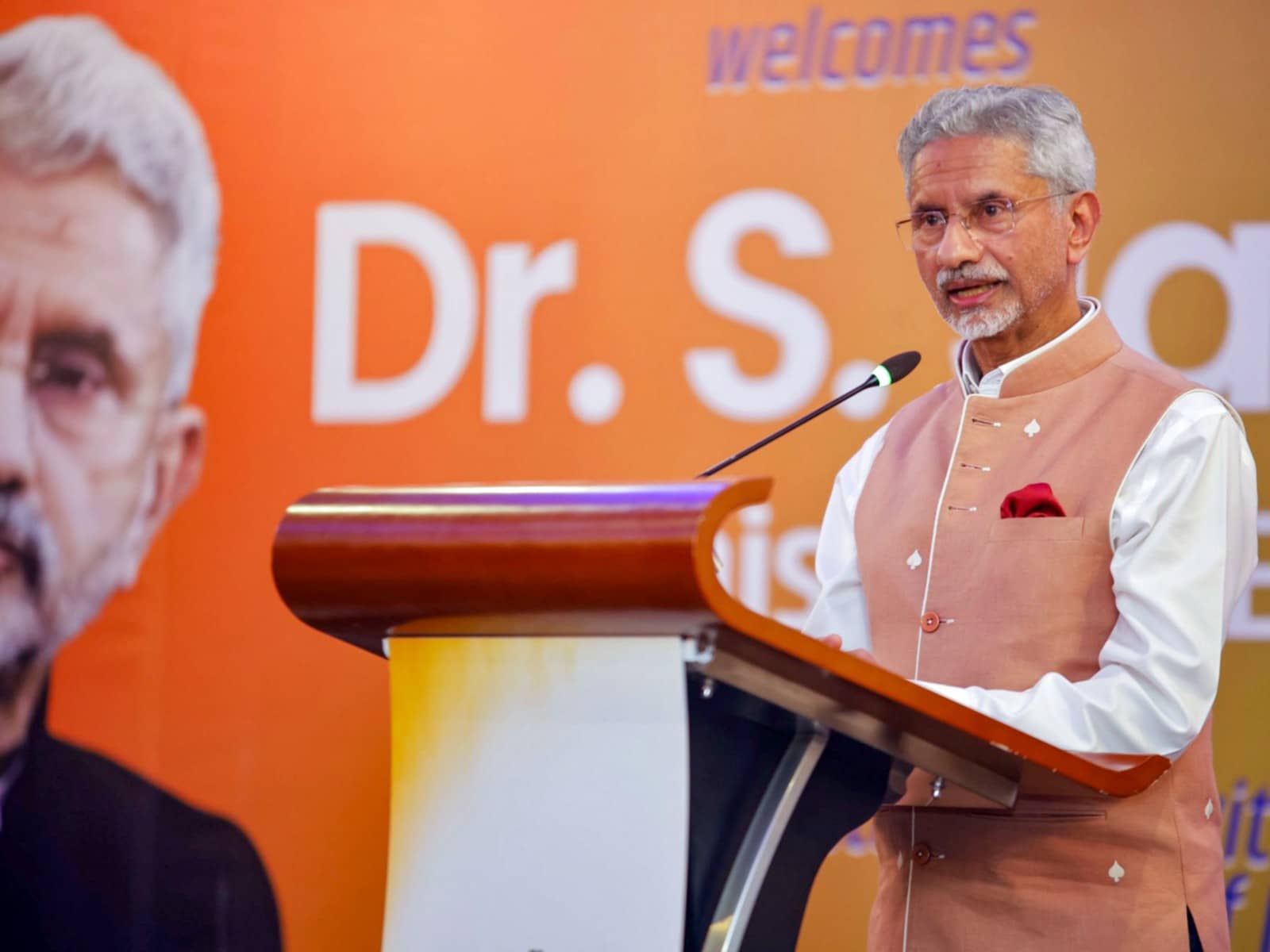

Jaishankar Arrives in Moscow for Bilateral Talks
External Affairs Minister (EAM) S Jaishankar commenced a two-day official visit to Russia on August 23, with the diplomatic engagement scheduled to conclude on August 24. This high-level trip, as reported by The Tribune India, is designed to facilitate extensive discussions aimed at reinforcing the strategic partnership between New Delhi and Moscow.
The central purpose of EAM Jaishankar's visit is to co-chair the 27th session of the India-Russia Inter-Governmental Commission on Trade, Economic, Scientific, Technological and Cultural Cooperation. This comprehensive body, widely known by its acronym IRIGC-TEC, functions as a pivotal institutional mechanism dedicated to overseeing and advancing the multifaceted strategic relationship shared by the two nations.
Jaishankar's presence in Russia underscores India's sustained commitment to its relationship with Moscow. The visit highlights ongoing efforts by New Delhi to not only maintain but also deepen economic ties and expand cooperation across a broad spectrum of sectors, particularly in the context of evolving global geopolitical landscapes.
The Enduring Role of IRIGC-TEC in Bilateral Relations
The India-Russia Inter-Governmental Commission on Trade, Economic, Scientific, Technological and Cultural Cooperation (IRIGC-TEC) stands as a testament to the enduring nature of the bilateral relationship. Established decades ago, this commission provides a structured and comprehensive platform for high-level dialogue and decision-making across critical areas of cooperation.
As a key institutional mechanism, IRIGC-TEC ensures continuity and stability in the strategic partnership, allowing both governments to regularly review progress, address challenges, and identify new avenues for collaboration. Its broad mandate, encompassing trade, economic, scientific, technological, and cultural spheres, reflects the holistic approach India and Russia adopt in managing their ties. The co-chairing of its 27th session by EAM Jaishankar signifies the importance both nations place on this structured engagement.
Bolstering Trade and Sectoral Cooperation
The 27th IRIGC-TEC session is specifically structured to enhance and expand collaboration across its designated fields. By co-chairing this significant meeting, EAM Jaishankar will lead the Indian delegation in a thorough review of existing agreements and an active exploration of new opportunities for joint ventures and partnerships.
Reports consistently indicate that both India and Russia are keen to deepen their economic ties. This objective involves a concerted effort to expand cooperation across key sectors that have historically formed the bedrock of their relationship. The commission serves as a formal and indispensable framework, enabling the respective governments to align their policies, streamline regulatory processes, and effectively resolve any trade-related issues that may arise, thereby fostering a more robust and predictable economic environment.
Reviewing Existing Agreements and Forging New Ventures
A primary function of the IRIGC-TEC session is the systematic review of existing agreements and protocols. This process allows both sides to assess the efficacy of ongoing projects and identify areas where further collaboration can yield mutual benefits. The discussions are expected to pave the way for identifying new areas for joint ventures, which could range from infrastructure development to advanced manufacturing.
The commission's work is crucial for translating high-level political intent into tangible economic outcomes. By providing a dedicated forum for detailed discussions, it facilitates the identification of specific projects and initiatives that can contribute to the overall growth of bilateral trade and investment. This proactive approach ensures that the strategic partnership remains dynamic and responsive to contemporary economic opportunities.
Key Pillars of Bilateral Engagement
A central theme underpinning the discussions during the 27th IRIGC-TEC session is the expansion of cooperation across a diverse range of key sectors. While the specific details of the full agenda are not always publicly enumerated in initial reports, the traditional scope of IRIGC-TEC covers a wide array of industries and strategic domains.
- Trade: This remains a fundamental component of the India-Russia partnership. The commission actively facilitates dialogue on critical aspects such as tariffs, market access, and regulatory harmonization. These efforts are directly aimed at boosting bilateral trade volumes and fostering a more open and efficient trading environment between the two nations.
- Economic Cooperation: Beyond conventional trade, economic collaboration extends significantly into vital sectors like energy, defense, and space technology. India and Russia have cultivated long-standing and robust links in these areas, with Russia historically serving as a key partner in energy supply, a major defense equipment provider, and a significant collaborator in space exploration and technology development.
- Scientific and Technological Collaboration: This constitutes another critical pillar within the IRIGC-TEC framework. The commission regularly discusses and promotes joint research initiatives in advanced fields such as nuclear energy, pharmaceuticals, and information technology. These collaborative endeavors are designed to leverage the distinct scientific expertise and technological capabilities of both nations for mutual development and innovation.
Strategic Partnership Amidst Global Dynamics
EAM Jaishankar's visit to Moscow occurs at a particularly complex juncture in international relations. In this environment, both India and Russia, as long-standing strategic partners, have consistently underscored the paramount importance of maintaining robust and stable bilateral ties. The carefully planned two-day schedule allows for intensive and focused negotiations, ensuring that diplomatic engagement is both productive and efficient within the allocated timeframe.
The very act of EAM Jaishankar co-chairing the IRIGC-TEC session serves as a clear indicator of the high priority India places on its relationship with Russia. It signals a strong commitment to institutionalizing cooperation through regular, high-level meetings that are designed to transcend individual political administrations and provide a consistent framework for engagement.
As the minister undertakes his engagements in Moscow, significant attention will be directed towards the outcomes and declarations emerging from the 27th IRIGC-TEC session. The results of these comprehensive talks are widely anticipated to play a crucial role in shaping the immediate and long-term trajectory of India-Russia relations, particularly in the vital economic, scientific, and technological domains, reinforcing the strategic alignment between the two countries.