


Eighty-two years after Japanese forces and the Indian National Army approached Assam through Kohima and Imphal, the Prime Minister of Japan arrived in Guwahati to meet the Prime Minister of India.
In 1944, Japan came toward Assam through war. In 2026, it returns through diplomacy, investment, technology, connectivity, and strategic partnership.
Japan has come back. But according to Limhachan Kikon Duncan Bosti Dimapur, it has come back differently.
The symbolism matters because it reflects a larger transformation underway in India's Northeast, the source stated.
For the first time since the Second World War, the region is re-entering Asia's strategic imagination at the highest political level. The meeting between Japanese Prime Minister Sanae Takaichi and Indian Prime Minister Narendra Modi signals this shift.
The engagement indicates a growing recognition that the Northeast is no longer merely a frontier to be administered or a security challenge to be managed, according to Kikon Duncan Bosti Dimapur.
It is increasingly viewed as a gateway linking the Indian subcontinent to Southeast Asia and the wider Indo-Pacific. The meeting signals this strategic realignment.
The deeper significance of this moment extends beyond geopolitics, the source noted. Long before modern borders emerged, peoples, goods, ideas, faiths, and commerce moved across these mountains and valleys.
What appears today as a strategic realignment is also a reconnection with older patterns of geography and exchange. In many respects, the region is rediscovering an inheritance that history never entirely erased.
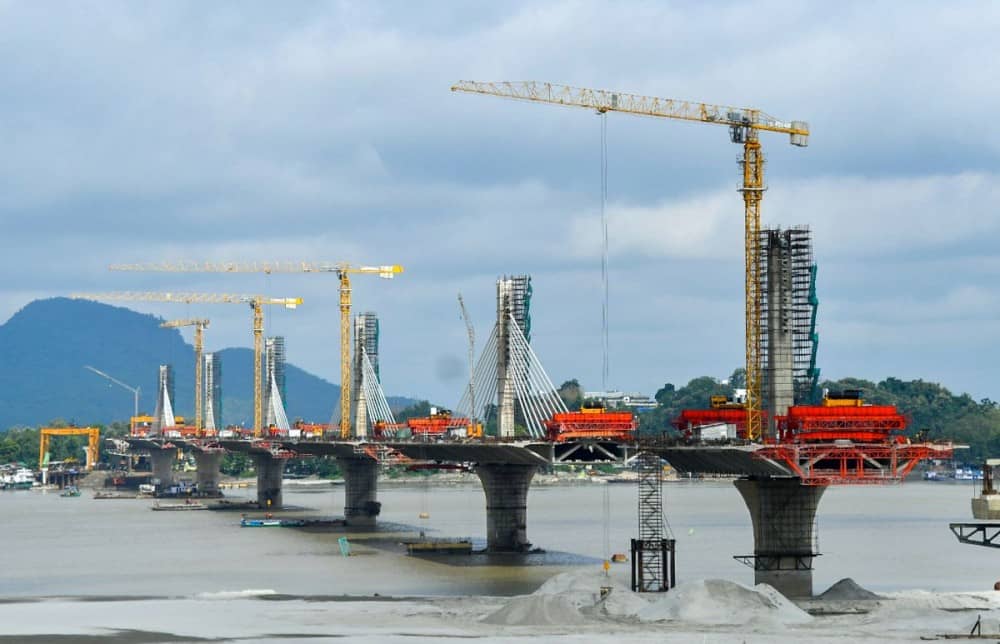
Guwahati has become the principal expression of this shift. No single city can represent the diversity of the Northeast, but Guwahati is increasingly performing the role through which the wider region engages India, Southeast Asia, and the Indo-Pacific.
The city is attracting investment, expanding connectivity, building institutions, and drawing strategic attention.