

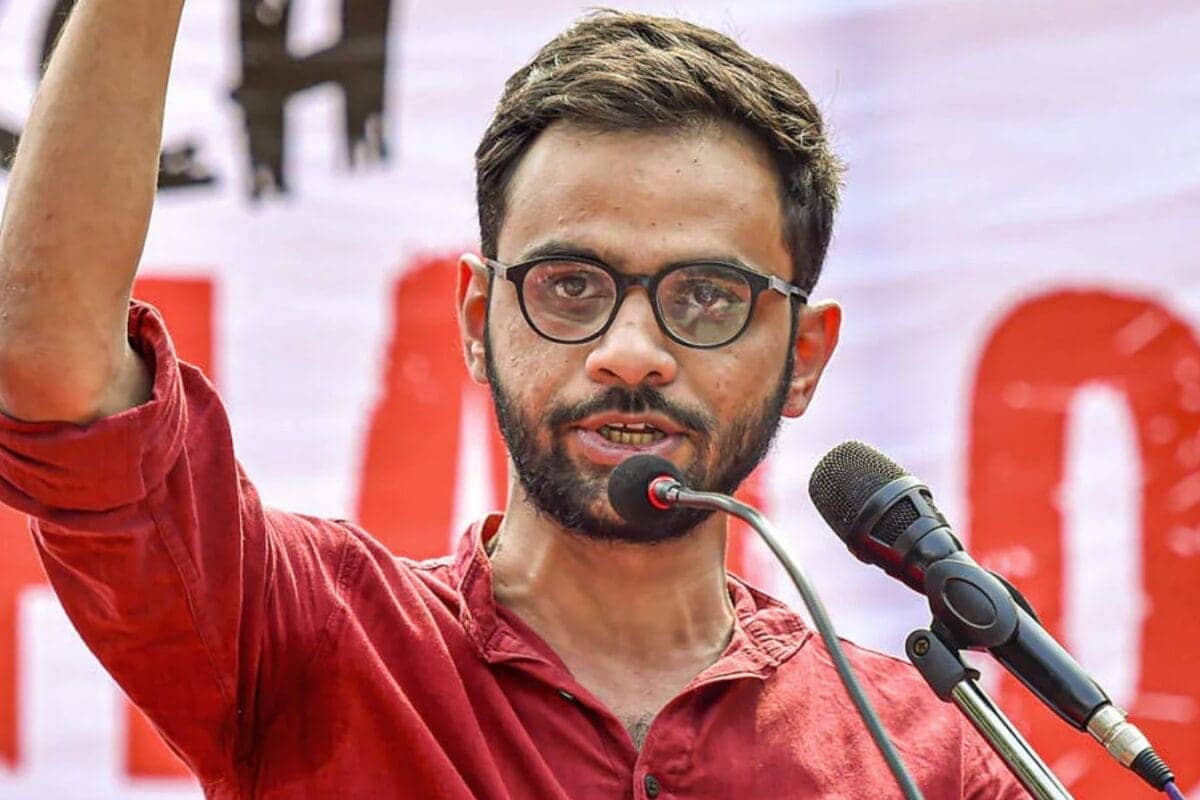

JNU Administration Cites Omission in Cancelling Book Discussion
The Jawaharlal Nehru University (JNU) administration has cancelled the booking of an auditorium for a planned discussion regarding a book by Umar Khalid. This decision effectively prevented the event, organized by the Jawaharlal Nehru University Students' Union (JNUSU), from taking place on campus as originally intended.
JNU officials cited a specific procedural failure in their justification for the cancellation. According to statements released by the institution, the reason for the rejection of the booking request was that the "Umar Khalid link" had not been disclosed in the application materials submitted by the organizers. The university maintained that this omission was sufficient grounds for denying the use of its facilities, emphasizing a breach in its booking protocols.
The university's statement focused exclusively on this alleged procedural lapse, declining to provide further details regarding the nature of the undisclosed link or any other potential reasons for the cancellation. This stance suggests that the administration's primary concern was the adherence to its established application procedures, rather than the content or subject matter of the proposed discussion itself.
University's Stance on Disclosure Requirements
The administration's refusal to provide further details beyond the alleged omission of the activist's name has drawn attention to the transparency of the booking process. By stating that the link was not disclosed, JNU authorities indicated that the application failed to meet their disclosure requirements regarding the subject matter or authorship involved in the proposed discussion. This implies that the university expects a comprehensive revelation of all key figures associated with an event during the booking application phase.
No other reasons for the cancellation were provided by the university in its initial statement. The administration did not elaborate on whether the book itself contained prohibited content, nor did it specify if the lack of disclosure was a violation of specific university statutes or general booking protocols. The focus remained strictly on the failure to reveal the connection to Umar Khalid, positioning it as a clear procedural non-compliance.
Student Union's Initiative and Event Details
The cancelled event was organized by the Jawaharlal Nehru University Students' Union (JNUSU), the primary representative body for students at the university. The student body had secured a booking for an auditorium to host a discussion centered on a book authored by Umar Khalid. The union had formally requested the space to facilitate what they intended as an academic and literary engagement on campus.
Scheduled Timing and Venue Details
The JNUSU had scheduled the discussion to occur on August 10 at 3:00 PM. The specific time slot and date were set in advance, allowing participants, including students, faculty members, and interested individuals, to plan their attendance. The cancellation of the auditorium booking occurred prior to this scheduled start time, leaving the event without a designated location within the university premises. The organizers' efforts to host the event within the university's facilities were thus halted by the administration's decision.
Scrutiny and Implications for Campus Discourse
The cancellation highlights the administrative oversight applied to student-organized events at JNU, particularly those involving figures perceived as politically sensitive. As the primary student representative body, the JNUSU's inability to secure a venue for a book discussion underscores the level of scrutiny applied to events that might touch upon contentious issues or involve individuals with a prominent public profile.
Umar Khalid is identified in reports as a jailed activist. This status adds a layer of political sensitivity to any event associated with his work or person. The university's action, citing the undisclosed nature of the book's authorship link in the booking application, effectively barred the student union from hosting the discussion on campus. This decision raises questions about the parameters of academic freedom and open discourse within the university environment, especially when procedural grounds are invoked to prevent discussions related to politically charged topics or individuals.
The incident suggests that JNU's administration maintains a stringent approach to event approvals, particularly when the subject matter or participants might be deemed controversial. The emphasis on a procedural omission, rather than a direct assessment of the book's content or the merits of the discussion, points to a cautious administrative stance regarding campus events.
Uncertain Future for the Proposed Discussion
As of the cancellation, the discussion is not scheduled to take place at JNU. The university has not indicated whether the booking can be reinstated if the connection is subsequently disclosed or if the event will be permitted under different conditions. This lack of clarity leaves the future of the proposed book discussion uncertain, with no immediate path for the JNUSU to proceed with their plans on campus.
The JNUSU has not yet issued a public response detailing their next steps regarding the venue dispute. Their silence, following the administrative decision, leaves open questions about potential appeals or alternative arrangements for the discussion. The incident remains focused on the procedural grounds provided by JNU, with the institution's stance being that the failure to disclose the specific link was the decisive factor in the denial of the auditorium booking, with no additional commentary offered on the merits or content of the proposed book discussion itself.