

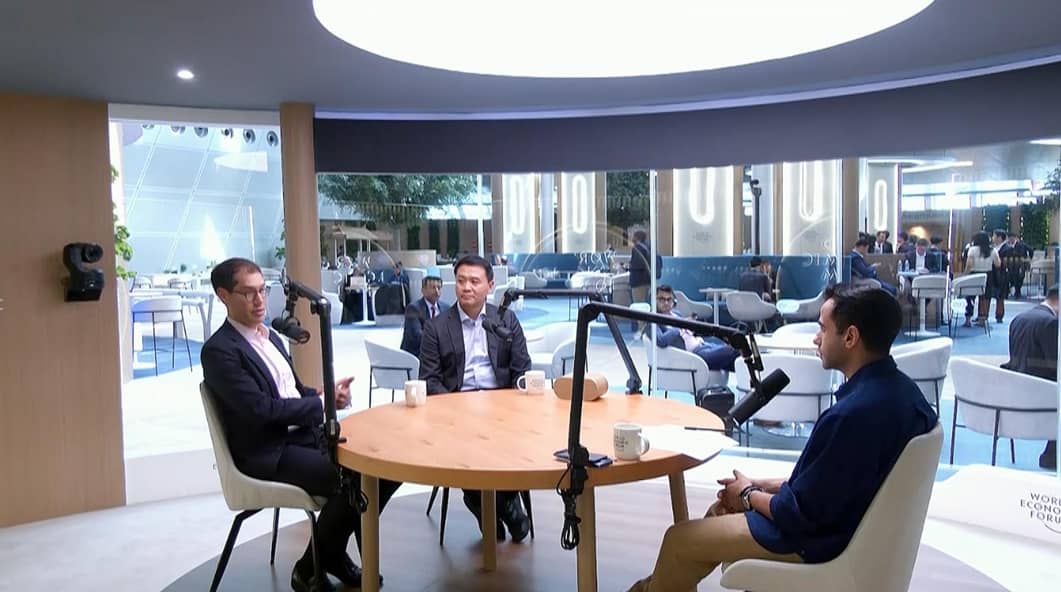

Discussion on Global Economic Forces
A conversation between Matthew Klein and Professor Ning Zhu took place during a recent segment. The dialogue was featured as part of an episode titled “People by WTF.” This program is hosted by Nikhil Kamath. During the broadcast, both speakers addressed key global economic issues that are currently shaping international discourse.
The primary topics under examination included inflation rates across major economies and the status of the U.S. dollar as a reserve currency. The discussion also extended to analyze China’s current economic situation. Specific attention was paid to the ongoing property crisis within China, which has drawn significant international interest.
Furthermore, the speakers explored global trade dynamics that have evolved in recent years. They examined how financial markets are reacting to these shifting conditions. The overarching theme of the conversation involved exploring the various economic forces currently reshaping the world order according to the participants.
The U.S. Dollar and Inflation Concerns
Matthew Klein raised specific points regarding inflation as a central concern for investors worldwide. He noted that high inflation can erode purchasing power and destabilize economies if left unchecked over long periods.
Klein discussed the role of monetary policy in managing these price increases. According to his analysis, central banks face difficult decisions when trying to balance growth with stability while controlling inflationary pressures from supply chain disruptions or demand surges.
The U.S. dollar was identified as a critical component of global financial systems. Klein explained how the strength or weakness of this currency impacts international trade balances and debt servicing for nations holding significant amounts in dollars.
He suggested that shifts in investor sentiment toward the dollar could lead to volatility in emerging markets. These fluctuations can affect capital flows, exchange rates, and local economic stability depending on where investors choose to allocate their funds at any given time.
The Role of China’s Property Sector
Professor Ning Zhu brought focus to the property crisis unfolding in China. He described how real estate markets have faced significant headwinds recently due to reduced demand and regulatory changes affecting developers.
Zhu highlighted that large-scale construction projects are facing completion delays or cancellations as companies struggle with liquidity issues. This situation has led to concerns about unfinished residential units left without buyers in several major Chinese cities. He explained how the property sector serves as a pillar of China’s broader economy, employing millions and contributing substantially to GDP growth through related industries such as cement, steel, and banking services.
The professor noted that government interventions have attempted to stabilize prices but market confidence remains fragile among both domestic buyers and foreign investors observing the sector closely from outside.
Global Trade Dynamics and Market Reactions
Klein and Zhu analyzed how changing trade patterns are influencing global supply chains. They pointed out that traditional manufacturing hubs in Asia continue to play a vital role despite geopolitical tensions or shifting tariff policies implemented by major economies.
The speakers discussed reports indicating increased diversification of sourcing strategies among multinational corporations seeking resilience against potential disruptions caused by political friction between nations involved in cross-border commerce agreements.
Financial markets reacted sensitively to news regarding China’s economic performance. According to market analysts cited indirectly through their commentary, stock indices often adjust quickly based on data releases from Beijing concerning industrial output or retail sales figures released monthly by official sources within the country. Bond yields in developed nations also moved in response to expectations about how Chinese recovery might influence global growth projections made annually at international forums attended by central bank governors and finance ministers representing G20 members.Both Klein and Zhu emphasized that understanding these interconnected systems requires careful observation of multiple variables simultaneously including interest rate differentials, currency valuations, commodity prices like oil or copper traded internationally on futures exchanges located in London or New York City respectively. They concluded their segment by reiterating the importance of staying informed about developments affecting global commerce. Their insights provided context for viewers interested in navigating complex economic landscapes impacting personal finances and investment portfolios alike across borders separating different cultures, languages, legal frameworks governing business operations globally today.