

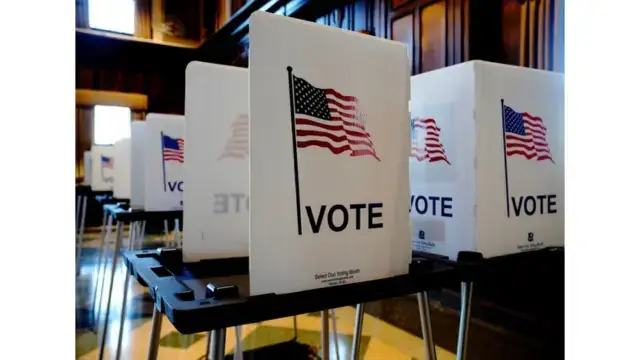

Kotak Projects Lower Oil Costs and Economic Stability for India
New Delhi: The outcome of the upcoming US midterm elections could lead to eased crude oil prices and improved macroeconomic stability in India, according to a report by Kotak Institutional Equities. The financial services firm also highlighted that corporate earnings for the second quarter of fiscal year 2027 (Q2FY27) are expected to bolster investor confidence in domestic equity markets.
The report, issued on Friday, November 6, 2026, suggests that a shift in geopolitical dynamics following the US elections could result in more stable global conditions. This stability is anticipated to drive down crude oil prices, which would subsequently benefit India’s economic position by reducing input costs for energy and transportation.
Kotak stated that India’s macroeconomic position is expected to improve significantly as crude oil prices return to normal levels. This improvement is linked to an anticipated betterment in the global supply-demand balance for energy resources.
Corporate Earnings Show Strong Growth Trends
In addition to geopolitical factors, the report pointed to robust performance within the Indian corporate sector as a key driver for market sentiment. Kotak noted that companies comprising the Nifty 50 index reported a 19 percent year-on-year increase in net profits during Q2FY27.
Similar growth trends were observed in earnings before interest, taxes, depreciation, and amortization (EBITDA). The report added that this positive trend was also reflected in net profits and EBITDA after adjusting for the oil, gas, and consumable fuels sector, indicating broad-based strength across various industries.
Looking ahead, Kotak projected continued growth for the benchmark index. "We expect FY2027E and FY2028E net profits of the Nifty-50 Index to grow 20%," the report stated. The firm assessed that the market’s risk-reward balance remains "favourable," with valuations across most segments ranging from attractive to fair, despite a recent market rebound.
However, the report noted exceptions to this valuation trend. Certain investment-related sectors continue to trade at elevated valuations, presenting a different risk profile compared to the broader market.
Geopolitical Tensions and Oil Supply Dynamics
The analysis of oil prices is heavily influenced by current geopolitical tensions in the Middle East. Kotak attributed high oil prices, which it identified as the primary reason for high inflation, to the fallout of the Iran-US war.
Despite these tensions, the report highlighted that crude oil supplies from the Middle East have improved considerably. This improvement occurred even as Iran’s blockade of the Strait of Hormuz was reported. Conversely, Iranian oil exports have declined due to US restrictions.
At the time of reporting, Brent crude was trading at around USD 99.82 per barrel, while other crude oil benchmarks were trading at approximately USD 91.52 per barrel. The report stressed that the outcome of the US midterm elections could play a pivotal role in altering these dynamics, potentially leading to lower crude oil prices and more stable geopolitics.
US Economic Indicators and Voter Sentiment
The Kotak report also examined economic indicators within the United States to contextualize the potential impact of the midterm elections. It noted that real wages in the US have stagnated over the past few months, a factor that often influences voter sentiment during mid-term cycles. While wage growth has stalled, the unemployment rate has remained broadly stable, suggesting a labor market that is holding firm despite inflationary pressures.
These domestic economic conditions in the US are viewed as part of the broader geopolitical landscape that Kotak believes will be reshaped by the election results. The firm argues that the interplay between stagnant wages, stable employment, and global energy markets creates a complex environment where political outcomes can have immediate repercussions on international trade and commodity prices.
By linking these US domestic metrics to global energy flows, Kotak suggests that investors should monitor not just the election results themselves, but also the subsequent policy shifts regarding sanctions and trade. The report implies that a change in administration or congressional control could alter the enforcement of restrictions on Iranian oil exports, thereby directly impacting the supply dynamics currently keeping Brent crude near USD 99.82 per barrel.
The convergence of strong Indian corporate earnings, with Nifty 50 profits growing 19 percent year-on-year, and the potential for lower global energy costs presents a dual catalyst for market optimism. If the anticipated stabilization in geopolitics materializes, the improved macroeconomic position for India could be accelerated, allowing domestic growth trends to proceed without the drag of high import bills.