


Leaders Meet as Electoral Shift Looms
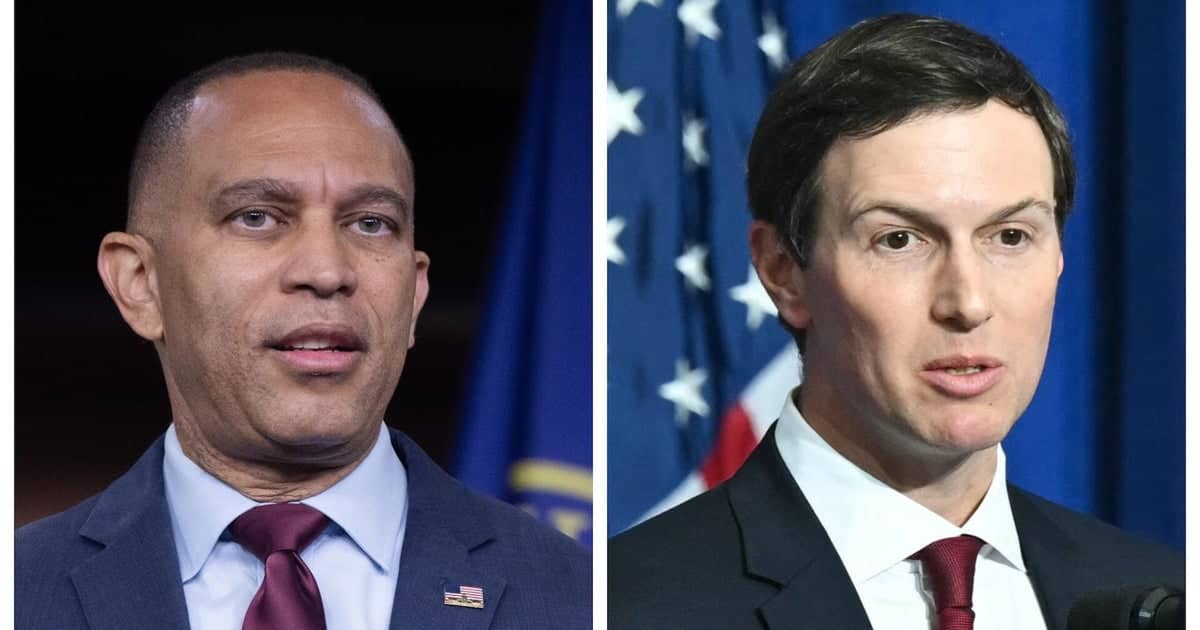
Jared Kushner and Hakeem Jeffries, the Democratic House leader, held a meeting as midterm elections loom. The encounter took place against the backdrop of an upcoming November election cycle that is projected to result in a significant change in legislative power. According to CBS News, the meeting occurred as political observers anticipate Democrats gaining control of the House.
The gathering brings together two figures who represent opposing ends of the current political spectrum. Jeffries, who leads the Democratic caucus, is positioned to assume a new role if his party achieves its projected gains. Reports indicate that Jeffries is expected to become the next Speaker of the House following the election results.
High-Stakes Political Engagement
The timing of the meeting between Kushner and Jeffries is particularly noteworthy, occurring during a period of intense political activity and shifting expectations. As the midterm elections draw nearer, interactions between prominent figures from different political affiliations are often scrutinized for their potential implications on future legislative and political landscapes. This specific discussion between a figure like Kushner and the anticipated leader of the House Democratic majority underscores the dynamic nature of American politics in the lead-up to a pivotal election.
Political analysts are closely watching such engagements, viewing them as potential indicators of broader political realignments or strategic preparations for a potential transition of power. The very act of these two individuals meeting signals a recognition of the significant electoral shifts that are projected to unfold in the coming months, influencing how legislative priorities might be shaped and debated in the next congressional session.
Projections Point to Democratic Gains
The context of the meeting is defined by the anticipated electoral outcomes for the November elections. Democrats are projected to gain control of the House in the upcoming vote. This projection, reported by outlets such as CBS News, has placed Jeffries in a position of increasing prominence as the election date approaches, elevating his status within the national political discourse.
Jeffries is expected to become the next Speaker of the House if the Democratic projections hold true. This potential transition of power from the current majority to the Democrats is a central factor in the political landscape leading up to midterms. The meeting between Kushner and Jeffries has been noted as occurring during this period of heightened political activity, reflecting an awareness of the impending changes.
Implications for Legislative Dynamics
The intersection of these two individuals at this specific juncture highlights the shifting dynamics within Congress. As Democrats are expected to take control of the House, the role of the Speaker becomes a focal point of national attention. The Speaker of the House holds significant power in setting the legislative agenda, controlling floor debates, and influencing committee assignments. Jeffries' anticipated ascension to the speakership marks a potential shift in how legislative priorities may be set in the coming session, impacting policy areas ranging from economic reform to social issues.
The potential for a new Speaker also means a re-evaluation of the legislative strategies and alliances that have defined the preceding congressional period. With a projected Democratic majority, the party's leadership, spearheaded by the Speaker, would gain substantial leverage in advancing its legislative agenda, potentially leading to significant policy changes. This prospect adds a layer of gravity to any high-level political discussions taking place before the official election results are tallied.
The Speaker's Pivotal Role
The Speaker of the House is not only the presiding officer of the House of Representatives but also the leader of the majority party. This position is constitutionally mandated and holds immense procedural and political power. The individual holding this office is third in the line of succession to the presidency, after the Vice President and the President pro tempore of the Senate, underscoring its national importance. Should Jeffries assume this role, he would be instrumental in guiding the legislative efforts of the Democratic caucus, negotiating with the Senate and the executive branch, and representing the party's vision on a national stage. His leadership would define the legislative tone and direction for the next Congress, making pre-election meetings with other influential figures particularly significant.
Electoral Timeline and Political Positioning
The November elections serve as the critical deadline for the projected changes in House control. As the date approaches, the expectations surrounding Jeffries' potential role as Speaker continue to grow. The meeting with Kushner is one of several interactions that may define the pre-election political discourse, offering glimpses into the strategic considerations of key political players as they navigate a period of anticipated transition.
Observers note that the projection of Democratic control is a key element in understanding the significance of this meeting. With Jeffries expected to become the next Speaker, the focus of political engagement is shifting toward the leadership of the incoming majority. The interaction between Kushner and Jeffries reflects the broader realignment taking place within the legislative branch, as parties and individuals prepare for a potentially new power structure.
Anticipating a Shift in Power
The period leading up to the midterm elections is characterized by intense campaigning, polling, and strategic positioning by both major parties. The projections of a Democratic takeover of the House have injected a specific dynamic into this cycle, making the potential for a change in leadership a tangible reality rather than a distant possibility. This anticipation influences everything from campaign messaging to high-level political consultations, as stakeholders assess how a new House majority and a new Speaker might impact their interests and objectives.
The upcoming vote will determine whether these projections materialize into actual control of the House. Until then, the political community remains focused on the potential outcomes and their implications for governance. The meeting stands as a documented event in the timeline leading up to the decisive November elections, highlighting the ongoing preparations and strategic maneuvers within the political landscape as the nation awaits the final electoral verdict.