


A Historic Reversal Defies Expectations
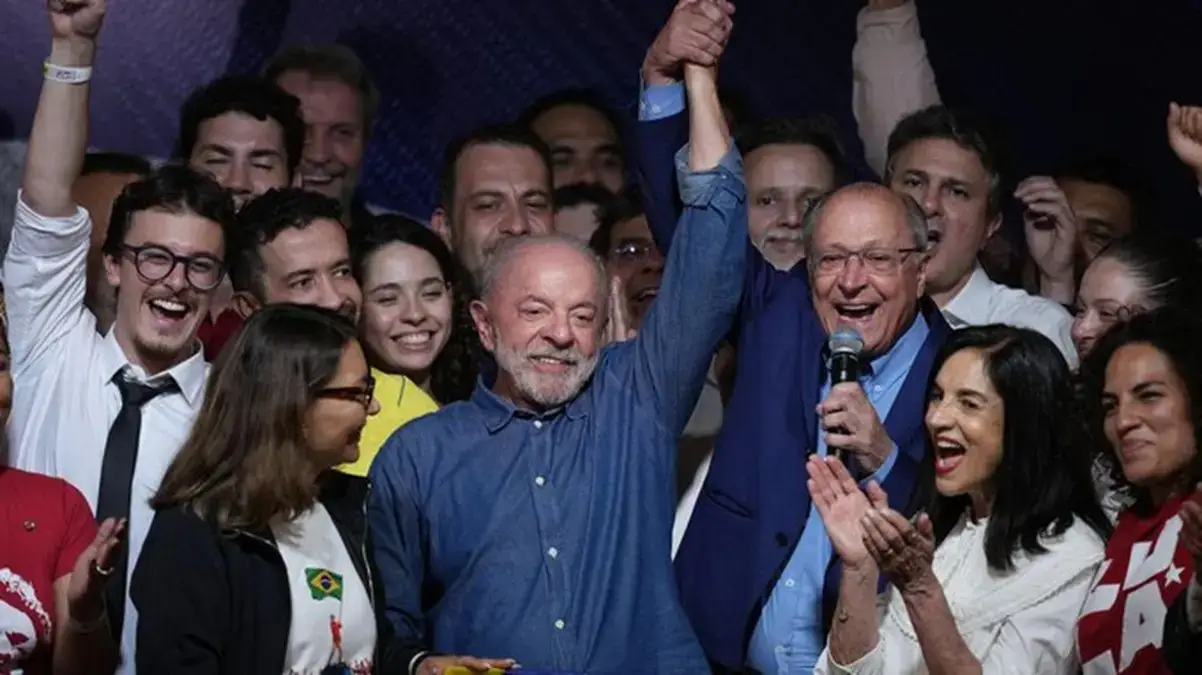
Brazilian President Luiz Inacio Lula da Silva was unexpectedly reelected on Sunday, defeating far-right Senator Flavio Bolsonaro in the runoff with nearly 52% of the vote. This outcome marks a significant historical anomaly in Brazilian politics; according to reports from Scroll.in, Lula secured a fourth non-consecutive term as Brazil’s president, becoming the first Brazilian president elected to four terms. Upon the end of his new term, he will have governed Brazil for 16 non-consecutive years, establishing the longest democratically elected tenure in the country’s history.
The victory is particularly notable for its trajectory. Lula became the first candidate to win a runoff after finishing second in the first round, overturning a deficit of approximately 2.2 million votes. The election result is unprecedented because no Brazilian presidential candidate had ever won the first round and then lost the runoff prior to this event.
Geopolitical Implications for Washington
The victory represents a setback for U.S. President Donald Trump’s plans to consolidate influence in Latin America and add Brazil to his bloc of regional allies. The axis of Trump’s foreign policy toward Latin America is the “Shield of the Americas,” an alliance aimed at fighting drug trafficking but described by critics as seeking to consolidate U.S. hegemony. Lula’s win serves as a check on what critics call the “Donroe Doctrine,” referring to the Trump administration’s push to bring the Western Hemisphere into the U.S. sphere of influence through tariffs, threats, and political patronage.
Lula’s victory frustrates Washington's push for regional allies at a time when rightward shifts in countries like Honduras, Bolivia, Chile, Peru, and Colombia had previously seemed to clear Trump’s path. Flavio Bolsonaro had campaigned as Washington’s preferred partner in South America, but Brazilian voters rejected that offer.
Trump has yet to comment on the election results, though he avoided expressly supporting Flavio Bolsonaro despite previous actions such as receiving him in the Oval Office in May and imposing high tariffs on Brazil in 2025. Benjamin Gedan of the Stimson Center noted a Flavio Bolsonaro victory would have meant “100 percent alignment with Trump in his culture war and security policy.”
Allegations of Foreign Interference
Questions regarding the integrity of the electoral process have been raised by external reports. A whistleblower revealed that Brazil's far-right Bolsonaro family dynasty met with Meta to discuss U.S. plans to interfere in Brazil's election to prevent Lula from winning. Additionally, Lula’s Facebook and Instagram accounts were censored days before the vote.
Domestic Reaction and Regional Significance
Flavio Bolsonaro, son of former President Jair Bolsonaro (2019-2022), refused to recognize the election results. In his victory speech, Lula declared that the result demonstrates that in Brazil “we do not accept being anyone’s backyard.”
Brazil remains a bulwark against the rise of the far right, bucking trends seen across Latin America and Europe where far-right parties have advanced. The rejection of Bolsonaro’s candidacy signals a distinct divergence from the regional political currents that had previously favored conservative alliances in the hemisphere.