

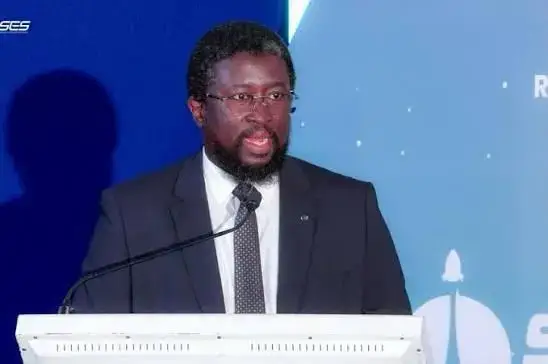

Appointment to International Consultative Body
The Director General of the Senegalese Agency for Space Studies, Maram Kairé, has been appointed as a member of the Global Space Futures Advisory Council. This body belongs to Seraphim Space, an entity described in reports as one of the main global players in investment within the space sector.
The appointment occurred following the establishment of this international consultative group on April 15 during the Space Symposium held in Colorado Springs, United States. The timing of the council’s formation coincided with a major gathering for industry professionals and stakeholders focused on orbital development and commercial spaceflight.
Reports indicate that Kairé accepted an invitation to join this group after his contributions were recognized by Seraphim Space leadership. The acceptance marks what sources describe as new international recognition for the Senegalese scientist, characterizing him in these reports as a major figure in the development of space sciences across Africa.
By accepting the role, Kairé publicly praised the function performed by Seraphim within the broader industry landscape. He stated that their journey and leadership in building the global space investment ecosystem over the past decade is truly inspiring to observers following his announcement.
Seraphim’s Strategic Vision and Ecosystem Goals
During his acceptance remarks, Kairé highlighted specific aspects of Seraphim’s operational scope. He noted that the breadth of their vision covers innovation, investment, geopolitics, and long-term impact on the planet.
Kairé stated directly that these areas resonate strongly with the strategic ambitions currently being developed within African space programs. His comments suggest a desire to align Senegal’s national efforts with broader global initiatives driven by private sector investors like Seraphim Space.
Candace Johnson on Strategic Enrichment
The appointment was welcomed by Candace Johnson, who serves as President of the Global Advisory Council. She stated that Kairé’s arrival will enrich the organization’s strategic thinking capabilities.
Johnson emphasized particular enthusiasm regarding the inclusion of an African perspective within the council’s reflections on critical industry topics. These topics include the future trajectory of space exploration, geointelligence applications, resilience in orbital operations, sustainable development practices, and international cooperation frameworks.
The president also highlighted Kairé’s scientific expertise as a key asset for the council. She specifically pointed to his participation in several NASA missions as evidence of his qualifications for this advisory role.
Historical Context of African Space Leadership
Kairé has held significant positions within Senegal’s national space infrastructure prior to this appointment. His tenure at the Agency for Space Studies (ASES) involved overseeing research and development initiatives aimed at expanding Africa’s presence in low-earth orbit operations.
Implications for Global Investment Ecosystem
Seraphim Space continues to operate as a significant global investor in the space sector. Their investment activities reportedly focus on fostering innovation and ensuring long-term planetary impact through structured funding mechanisms.
The establishment of this advisory council represents an effort by Seraphim Space to integrate diverse geographical perspectives into their strategic planning processes. By including representatives from regions such as Africa, the organization aims to broaden its understanding of global market dynamics beyond traditional Western-centric viewpoints.
Focus on Geopolitical Dimensions
Kairé’s comments regarding geopolitics reflect growing awareness among space industry leaders about how orbital assets intersect with national security and diplomatic relations. His acknowledgment suggests that African nations are increasingly viewing their participation in global space programs as a means to influence broader geopolitical discourse.
Emphasis on Sustainable Development
The council’s focus on sustainable development aligns with emerging trends among commercial operators seeking to minimize environmental footprints associated with launch activities and satellite operations. Johnson noted that this priority extends beyond mere compliance, aiming for genuine integration of ecological considerations into daily business practices.
International Cooperation Framework
The inclusion of Kairé underscores a shift toward more inclusive international cooperation models within the space industry. Traditional partnerships often centered on bilateral agreements between major powers; however, recent developments suggest increasing interest in multilateral frameworks that engage smaller nations as full partners rather than peripheral actors.