


Global Markets Rally on Positive Diplomatic Outlook
Global financial markets experienced a significant upward movement following reports of successful preliminary discussions between the United States and China. This broad-based advance in equity prices and futures markets occurred as investors absorbed statements from U.S. Treasury Secretary Bessent, who characterized recent talks with Chinese counterparts as having yielded positive results.
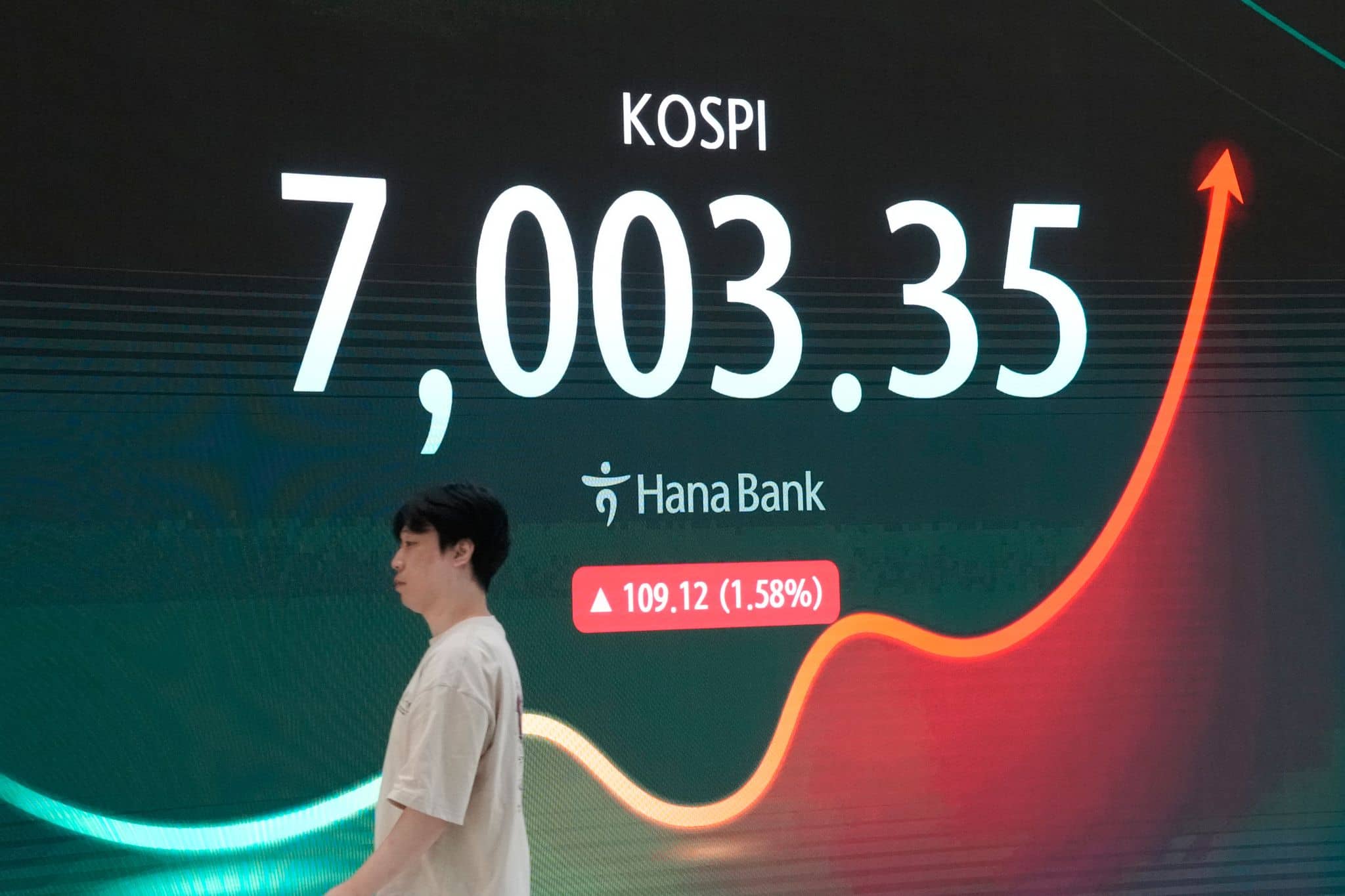
On the day of the report, U.S. stock futures indicated robust upward momentum, signaling an optimistic opening for American trading sessions. Concurrently, Asian share markets posted notable gains, reflecting a broader regional response to the diplomatic developments. The simultaneous rise in assets across diverse time zones and geographies underscored the profound sensitivity of international financial markets to the trajectory of U.S.-China relations. Traders and institutional investors alike appeared to be reacting to the potential for a significant reduction in trade tensions or a marked improvement in overall bilateral relations, particularly ahead of anticipated high-level leadership meetings.
The immediate and widespread market activity was directly attributable to the timing and content of Secretary Bessent’s comments. By publicly labeling the negotiations as successful, the Treasury Secretary provided a powerful catalyst for a shift towards risk-on sentiment among investors. This positive framing encouraged capital flows into equities and other growth-oriented assets, as market participants began to price in a more favorable geopolitical environment. The concurrent gains observed in both American futures and key Asian equities further highlighted how closely financial actors monitor and respond to diplomatic signals concerning the world's two largest economies.
Diplomatic Foundations Laid for Trump-Xi Summit
The positive diplomatic engagements reported by Treasury Secretary Bessent are understood to serve as a crucial precursor to an eagerly anticipated meeting between U.S. President Donald Trump and Chinese leader Xi Jinping. This high-stakes summit is scheduled to take place in Washington, D.C., marking a pivotal point of direct contact and negotiation between the leadership of the two global powers.
Anticipation Builds for Washington Summit
The identification of Washington as the host city for the upcoming encounter carries its own diplomatic weight. Hosting the meeting within the United States could signify particular diplomatic protocols or strategic priorities for the Trump administration, potentially emphasizing the U.S. position in bilateral discussions. The precise timing of Secretary Bessent’s report was strategically chosen to build anticipation and establish a constructive, forward-looking tone in the period immediately preceding the face-to-face negotiations between the two heads of state. This approach aims to set a positive narrative, contrasting with previous periods of public contention.
Secretary Bessent's successful characterization of the preliminary talks strongly implies that technical or policy-level working groups, likely involving economic and trade experts from both nations, have made substantial headway. These discussions would have almost certainly addressed a range of key economic and trade issues that are expected to form the core agenda for the upcoming Trump-Xi summit. The positive framing provided by the Treasury Secretary is designed to cultivate a favorable environment for the presidential meeting, suggesting that both the U.S. and China are actively seeking to de-escalate tensions, avoid public disputes, and instead focus on identifying and achieving cooperative outcomes that could benefit both economies.
Role of Preliminary Discussions
The nature of these preliminary discussions, led by a figure like the Treasury Secretary, suggests a focus on intricate economic details, market access, intellectual property rights, and tariff structures. Success in these technical discussions is often a prerequisite for high-level political agreements. By clearing some of the technical hurdles, Bessent's team may have paved the way for President Trump and President Xi to focus on broader strategic frameworks and political commitments, rather than getting bogged down in specifics that can be delegated. This preparatory work is vital for any major diplomatic summit, especially between nations with such complex and intertwined economic relationships.
Market Confidence and the Path Ahead
Treasury Secretary Bessent’s public statement, affirming the success of the preliminary U.S.-China talks, carries significant weight within international financial circles. As a principal economic official for the United States, his assessment directly influences how global markets interpret the current trajectory and future prospects of the critical U.S.-China relationship. The positive description of these discussions stands in stark contrast to earlier periods characterized by heightened trade friction, escalating tariffs, and diplomatic stalemates that have previously introduced considerable volatility into global markets.
Investor Optimism and Risk Assessment
The immediate and robust market reaction—evidenced by the widespread rise in stocks and futures across continents—serves as a clear demonstration of investor confidence in the potential for a productive and de-escalatory summit. Financial actors consistently price in geopolitical risks, and the absence of any negative rhetoric or cautionary warnings from high-ranking U.S. officials, particularly from the Treasury, suggests a significant de-escalation of immediate tensions. This shift allows investors to reallocate capital with greater certainty, anticipating a more stable trade and economic environment. The concurrent gains observed in Asian markets are particularly telling, indicating that regional economies, which are often most directly impacted by U.S.-China trade dynamics, are also expressing considerable optimism about the potential outcomes of the Washington meeting.
At the time of reporting, no opposing views or criticisms of Secretary Bessent’s assessment were immediately available, reinforcing the singular positive narrative surrounding this diplomatic development. The focus remains squarely on the encouraging diplomatic signals and the subsequent surge in financial market optimism. While the preliminary talks have set a constructive stage, the upcoming Trump-Xi summit in Washington will ultimately serve as the definitive test. The global financial community will be closely watching to see whether these successful preliminary discussions translate into tangible agreements, concrete policy shifts, or a clear roadmap for resolving outstanding economic and trade disputes, thereby solidifying the current market gains and fostering long-term stability.