

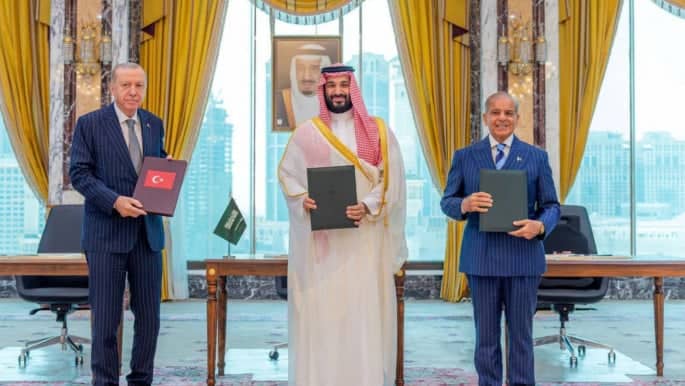

A New Era of United Strategic Defense
The Mecca Pact represents a significant development in the landscape of international security, marking what observers describe as a new phase in united strategic defense efforts. This agreement, as reported by The Business Standard, signifies a broader and deliberate shift toward regional self-reliance among its participating nations. The core intent behind this strategic pivot is to foster robust defense capabilities within the region, critically, without division, thereby aiming to establish a more cohesive and integrated security framework.
The implications of this pact suggest a departure from traditional security paradigms where regional actors might have relied more heavily on external alliances or fragmented bilateral arrangements. Instead, the Mecca Pact champions an internal, collective approach to defense, emphasizing shared responsibility and coordinated action among its signatories.
Fostering Cohesion in Regional Security
Khandaker Azizur Rahman, in an analysis for The Business Standard published on August 30, 2026, characterized the pact as ushering in "a new era of strategic defense without division." The article, which appeared on Monday, August 31, 2026, underscored that the agreement is specifically designed to bring key regional powers into closer alignment on matters of defense. This focus on unified strategies is paramount, as the pact aims to address complex security challenges through collective action, moving away from potentially fragmented or uncoordinated national approaches.
The concept of "defense without division" is central to the pact's ambition. It implies a concerted effort to mitigate or overcome any historical or political fractures that might have previously hindered unified action among these nations. By forging a common strategic front, the agreement seeks to enhance the collective security posture of the region, ensuring that responses to threats are harmonized and effective.
Key Participants Forge a New Defense Dynamic
The primary participants in this groundbreaking defense arrangement are Saudi Arabia, Pakistan, and Turkey. This trilateral agreement is specifically designed to bring these three influential nations into closer alignment on defense matters, with the explicit goal of strengthening their military and strategic coordination. This concerted alignment is widely regarded as a pivotal moment for the region, carrying significant implications that are expected to extend far beyond the scope of mere bilateral relations between the signatory states.
The convergence of these key regional powers under a unified defense umbrella signals a profound shift in how security is conceptualized and managed within their sphere of influence. It suggests a move towards a more integrated and interdependent defense posture, where the collective strength of the participants is leveraged to enhance overall regional stability.
Reshaping the Strategic Landscape
The Mecca Pact is viewed by analysts as a significant force capable of reshaping the strategic balance across the broader Muslim world. Through the consolidation of the defense efforts of Saudi Arabia, Pakistan, and Turkey, the agreement aims to establish an entirely new dynamic within the existing regional security architecture. This pronounced shift toward self-reliance is indicative of a clear desire among these nations to lessen their reliance on external powers for their fundamental security requirements, asserting greater autonomy in their defense policies.
Further reports indicate that the pact transcends the realm of a purely symbolic gesture; it represents a fundamental structural change in the methodology of defense cooperation among these countries. The persistent emphasis on fostering cooperation "without division" directly implies a deliberate and sustained effort to overcome any historical or political fractures that may have previously impeded unified action. The overarching goal is to cultivate a seamless strategic partnership, one that possesses the agility and robustness to respond effectively and collectively to emerging regional threats.
Broader Implications for Regional Stability
The formal introduction of the Mecca Pact signifies a notable departure from previous models of defense cooperation that have historically characterized the region. By unequivocally prioritizing regional self-reliance, Saudi Arabia, Pakistan, and Turkey are collectively signaling a robust commitment to fostering internal stability and enhancing their collective security. This proactive and autonomous approach aligns seamlessly with broader, emerging trends in global geopolitics, where an increasing number of nations are actively seeking greater autonomy and self-determination in their foreign and defense policies, moving away from reliance on external security guarantees.
The pact's dedicated focus on united strategic defense efforts underscores a clear long-term vision for sustained security cooperation among the signatory states. As these nations embark on the complex process of implementing the agreement, its profound impact on the strategic balance across the Muslim world will undoubtedly be closely monitored and analyzed by international observers. The ultimate success and efficacy of this ambitious initiative will hinge critically on the ability of Saudi Arabia, Pakistan, and Turkey to not only maintain but also strengthen their cohesion, and to effectively coordinate their diverse defense strategies into a unified and responsive framework.
Operationalizing the Vision of Self-Reliance
While the Mecca Pact has been formally announced, the precise operational mechanisms and specific details for its comprehensive implementation are yet to be fully articulated. Nevertheless, the clearly stated foundational goals—namely, fostering strategic defense without division and vigorously promoting regional self-reliance—provide an unambiguous and robust framework for all future cooperation. The very alignment of Saudi Arabia, Pakistan, and Turkey under the auspices of this pivotal agreement is widely anticipated to significantly influence and potentially reshape existing defense policies and strategic alliances across the broader region.
As the Mecca Pact transitions from its initial announcement phase to active execution, its transformative role in reshaping the strategic balance will progressively become more apparent and tangible. The agreement itself stands as a powerful testament to the growing importance and agency of regional powers in actively defining and asserting their own security narratives, increasingly independent of traditional global power structures and their historical influences.