

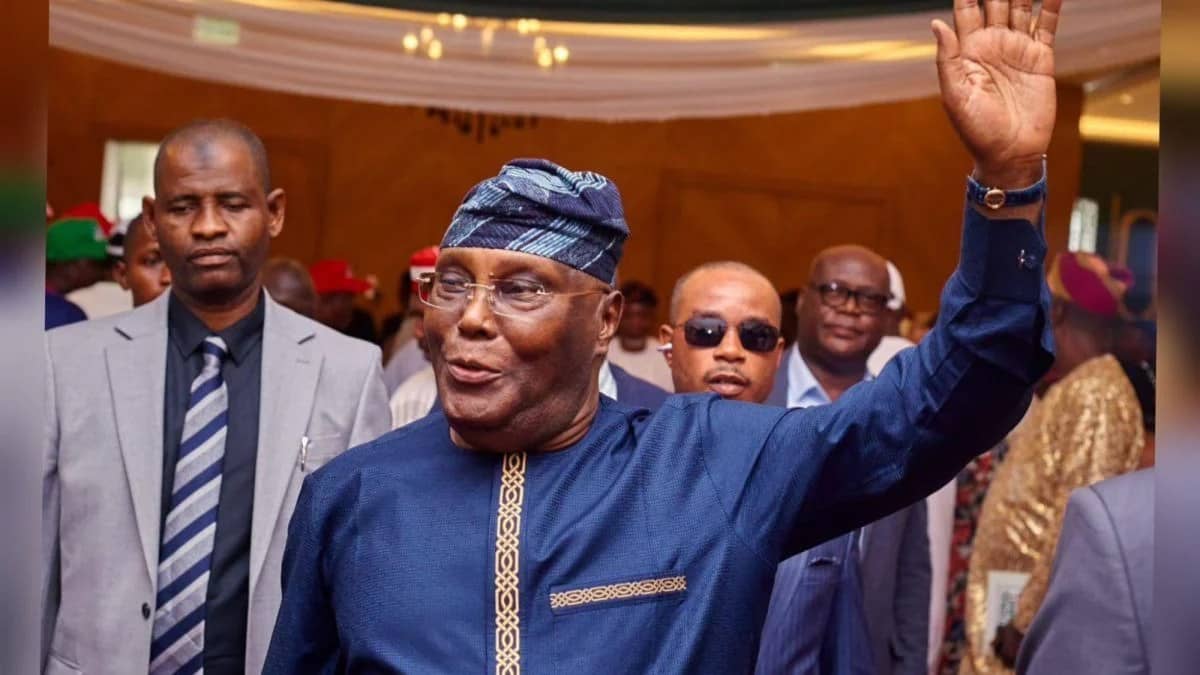

N-Power Beneficiaries Endorse Atiku Abubakar for 2027
A nationwide delegation representing beneficiaries of the National Poverty Eradication Programme (N-Power) has formally declared its support for former Vice President Atiku Abubakar in his bid for the Nigerian presidency in the 2027 general election. This significant political endorsement was disclosed following a meeting between the delegation and Abubakar, with details subsequently provided by AbdulAziz Na’ibi Abubakar.
The N-Power program, a cornerstone initiative aimed at addressing youth unemployment and promoting social development, has engaged a substantial number of young Nigerians across the country. The collective backing from a delegation of its beneficiaries signals a potentially influential voting bloc aligning with Abubakar’s political aspirations.
The Atiku Movement's Role in the Declaration
AbdulAziz Na’ibi Abubakar, who served as the conduit for this announcement, is identified as a political commentator and a prominent member of The Atiku Movement. This organization operates under the umbrella of the African Democratic Congress (ADC) and is dedicated to advancing Abubakar’s presidential ambitions. According to reports from the group, the delegation undertook a journey to meet with the former vice president, specifically to convey their collective endorsement and solidarity.
This declaration marks a notable political development for the ADC, which has consistently positioned Abubakar as a candidate deeply committed to youth engagement and comprehensive economic restructuring. The timing of the endorsement is particularly strategic, occurring as political preparations and alignments intensify across Nigeria in anticipation of the next general elections.
Abubakar's Economic Pledges and Critique of Current Administration
Na’ibi Abubakar articulated that the beneficiaries’ decision to support the former vice president was primarily driven by his explicit pledges to create expanded opportunities for Nigerian youths and to provide robust support for young entrepreneurs. He underscored the group’s conviction that Abubakar’s proposed policies are specifically designed to address the pressing economic challenges currently confronting young Nigerians, including issues of job creation and access to capital.
The former vice president's campaign narrative, as presented by The Atiku Movement, centers on empowering the youth through direct economic interventions and fostering an environment conducive to business growth. This approach aims to resonate with a demographic often seeking pathways to economic independence and stability.
A $10 Billion Fund for Youth Start-ups
A central pillar of the endorsement, and a key policy differentiator for Abubakar, is his reported pledge to introduce a substantial $10 billion financing program. This ambitious initiative is specifically targeted at supporting start-ups and entrepreneurs across Nigeria. According to Na’ibi Abubakar, this proposed fund is designed to directly benefit N-Power beneficiaries, as well as other young Nigerians who may have found themselves excluded from existing economic opportunities or lacking the initial capital to pursue their entrepreneurial ventures.
The former vice president’s plan is described as a comprehensive mechanism for providing crucial financial support to young individuals aspiring to establish new businesses or expand their existing enterprises. The overarching goal of this program is to significantly foster economic independence among Nigerian youths by dismantling financial barriers to entry for small and medium-sized enterprises (SMEs) and encouraging a culture of innovation and self-reliance.
Unverified Claim of 1.4 Million Endorsements
In a statement disseminated on Saturday, Na’ibi Abubakar made a striking assertion regarding the scale of support, proclaiming, “Breaking News: 1.4 million N-Power beneficiaries declare support for Atiku Abubakar ahead of 2027.” This figure represents a very specific and substantial claim concerning the number of program participants who have officially endorsed the candidate.
However, it is crucial to note that the assertion of 1.4 million beneficiaries endorsing Abubakar could not be independently verified by external observers or media outlets at the time of reporting. The accuracy and veracity of this significant number rely solely on the statement released by Na’ibi Abubakar and The Atiku Movement, prompting calls for further substantiation in the evolving political discourse.
Beyond outlining Abubakar’s proposals, Na’ibi Abubakar also utilized the occasion of the endorsement to deliver a pointed criticism of the economic policies implemented by President Bola Tinubu’s administration. While specific details of this critique were not fully elaborated in the initial disclosure, the commentary highlighted a perceived failure of the current government to adequately support and empower the nation’s youth economically. This criticism implicitly positions Abubakar’s proposed $10 billion fund as a direct remedy to the alleged shortcomings of the incumbent administration.
Youth Demographics and the Road to 2027
The endorsement from N-Power beneficiaries underscores the increasing and undeniable importance of youth demographics in Nigerian politics. The N-Power program, having been one of the largest youth employment and empowerment initiatives in recent Nigerian history, has created a vast network of beneficiaries who collectively represent a potentially significant and influential voting bloc.
By securing the declared support of this considerable group, Abubakar and the ADC are strategically attempting to build a broad-based coalition centered on the critical themes of economic reform and youth welfare. The proposed $10 billion financing program serves as a key policy differentiator, designed to appeal directly to the aspirations and needs of young Nigerians and to set Abubakar’s platform apart from those of his political rivals.
Strategic Positioning for the Upcoming Elections
As the 2027 election cycle progresses and political maneuvering intensifies, other political parties and contenders are widely expected to respond to these developments. The claims made by The Atiku Movement, particularly regarding the substantial number of supporters and the specifics of the proposed economic programs, will undoubtedly be subjected to rigorous scrutiny by political analysts, independent media, and opposing campaigns. Such scrutiny is a standard feature of competitive election environments, where the credibility of claims can significantly influence public perception.
As of the latest reports, no immediate official response has been recorded from the Tinubu administration or other major political contenders regarding this specific endorsement. The immediate focus remains on the promises articulated by Abubakar’s campaign team and the subsequent reactions and engagement from the broader beneficiary community and the Nigerian youth demographic at large.