


Security Logic Overrides Liberal Internationalist Narratives
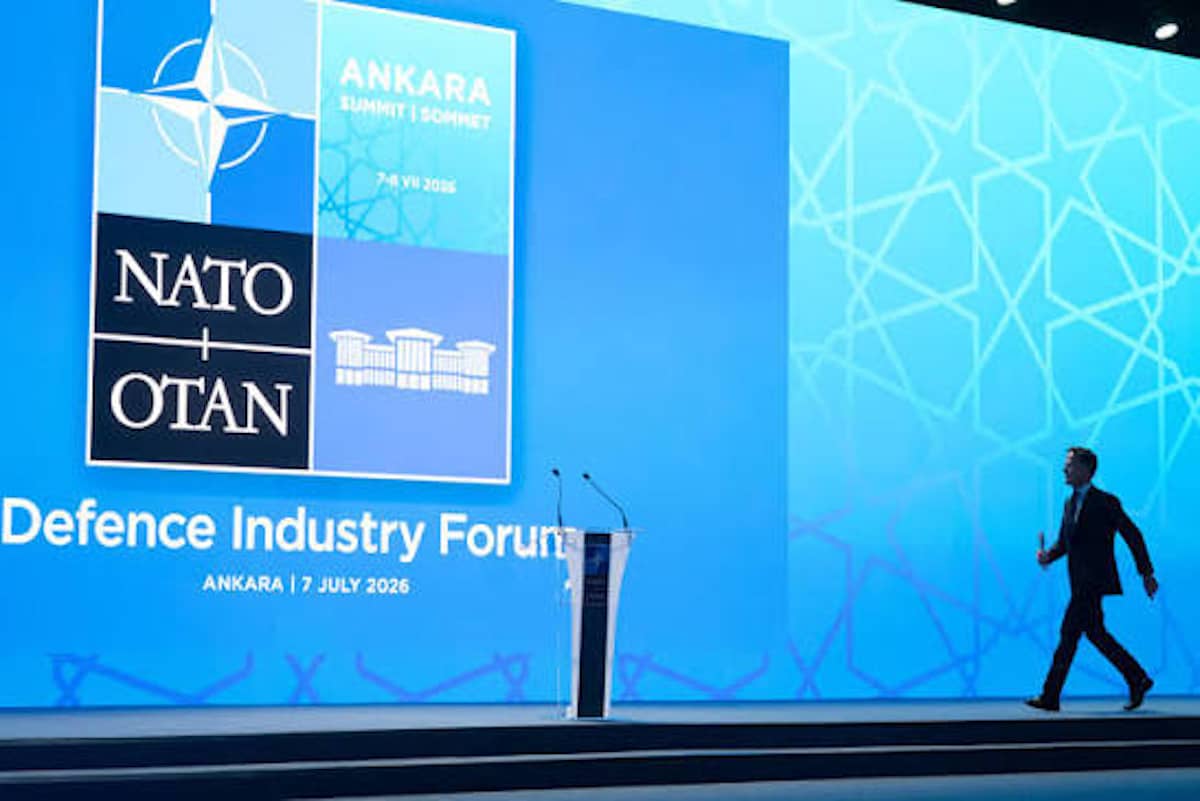
The recent NATO summit held in Ankara presented a distinct shift in geopolitical decision-making that challenges long-held assumptions about the liberal international order. According to Marcus Loh of Asia Times, published on July 8, 2026, the traditional narrative suggesting that democracies prefer each other and allow shared values to govern power distribution appeared superseded by pragmatic security imperatives during this gathering.
Observers noted that while the liberal internationalist story has always been seductive in theory, practical reality dictated outcomes on the ground. The summit demonstrated that security concerns are prioritized over liberal values when making critical geopolitical decisions. This shift was not merely rhetorical but was evident in the specific arms agreements reached by member states.
From missile deals to submarine sales, it became clear that security logic and continental familiarity decided who won weapon contracts in Ankara. The decision-making process moved away from an idealistic framework where shared ideology drives trade toward a model where established relationships and immediate strategic necessity take precedence. This approach suggests that the distribution of power and resources within the alliance is now more heavily influenced by what works on the battlefield than by abstract principles.
The article highlights that these outcomes indicate a move away from values-based diplomacy in favor of hard security imperatives. The gathering showed that in today's geopolitical landscape, survival and immediate defense needs often trump ideological alignment or historical alliances based solely on democratic governance structures.
Defense Spending Patterns Reflect Practical Realities
The pattern of defense spending observed at the summit serves as a primary indicator of this strategic pivot. Analysts pointed out that established relationships played a decisive role in influencing the awarding of weapon contracts among NATO allies gathered in Turkey.
NATO member nations, despite their shared democratic institutions and historical ties to liberal internationalism, found themselves operating under constraints defined by security imperatives rather than values alone. The specific nature of these arms deals suggests that familiarity with continental defense requirements outweighed the preference for purchasing from fellow democracies when strategic necessity demanded it.
According to Marcus Loh's reporting, the contracts awarded were not random but calculated based on a logic that prioritized security outcomes over political alignment. This calculation included factors such as the logistical compatibility of equipment within existing continental defense frameworks and the proven track record of suppliers in regional theaters.
The implications for future procurement strategies are significant if this trend continues. If security imperatives consistently trump liberal values, then the expectation that NATO members will automatically buy from one another based on shared ideology may be outdated. The report suggests a new reality where defense spending is driven by what provides immediate tactical advantage rather than long-term institutional loyalty.
This pragmatic approach to arms dealing contrasts sharply with previous eras of alliance management where political solidarity often dictated trade flows even when alternatives existed. The current environment forces member states to evaluate partnerships through the lens of immediate security utility, a departure from the idealistic expectations that have characterized Western alliances for decades.
Implications for Alliance Cohesion and Strategy
The decisions made in Ankara challenge the foundational assumptions of NATO membership. The liberal internationalist framework posits that democracies naturally align on security issues because they share a common set of values regarding human rights, rule of law, and democratic governance.
However, the arms agreements reached during this summit suggest that these shared values do not automatically translate into unified action when specific contracts are at stake. Instead, practical considerations such as supply chain reliability, technical compatibility, and regional familiarity became the primary drivers for contract awards.
This reality indicates a complex geopolitical landscape where ideological unity is secondary to operational effectiveness. The article notes that this shift represents a departure from the expectation that institutions built on shared values will govern resource distribution without regard to immediate security needs.
For policymakers, understanding this dynamic requires acknowledging that strategic partnerships may evolve based on pragmatic assessments rather than static political alignments. The focus has shifted toward ensuring that defense capabilities are optimized for current threats regardless of the supplier's ideological profile or historical relationship with other members.
The reporting from Asia Times underscores that while the language of shared values remains prevalent in diplomatic discourse, actual operational decisions reflect a more nuanced and perhaps harsher reality. Security imperatives have become the dominant factor shaping defense procurement within the alliance structure.