

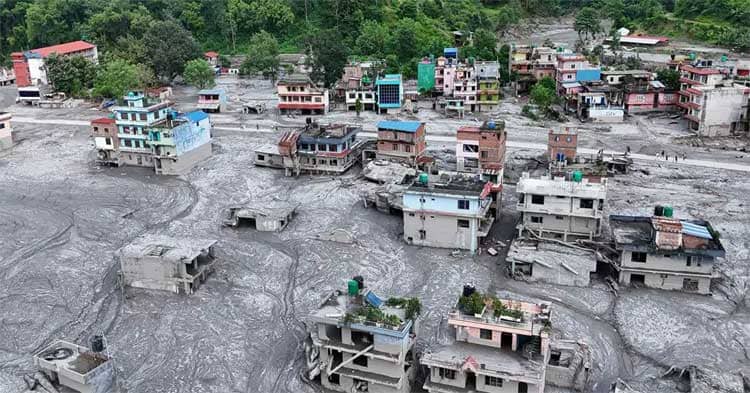

Death Toll Rises as Glacier Collapse Triggers Catastrophic Flooding
A catastrophic glacier collapse in Nepal and China’s Tibet region has unleashed devastating flooding, resulting in more than 1,300 confirmed deaths and leaving thousands of people missing. This profound tragedy has rapidly become a central focus for international diplomacy, compelling world leaders to place the escalating climate crisis and the critical issue of energy security at the forefront of discussions during the ongoing United Nations General Assembly (UNGA) and the upcoming COP31 climate conference.
The sheer scale of the loss of life and the alarming number of individuals unaccounted for have reignited urgent calls for a unified and coordinated global response to the worsening climate crisis. The disaster serves as a stark and immediate illustration of the human cost of rapid environmental shifts, drawing intense attention from delegates and heads of state gathered in New York and those preparing for the crucial climate conference.
A Region Overwhelmed by Disaster
The sudden and immense flooding, stemming from the glacier collapse, has overwhelmed communities across the affected areas in Nepal and China's Tibet. Rescue efforts have been hampered by the widespread destruction, making the full assessment of the human toll an ongoing and challenging endeavor. The incident has highlighted the extreme vulnerability of mountainous regions to the impacts of climate change, where melting glaciers can pose immediate and severe threats to downstream populations.
Global Extreme Weather Patterns Intensify
The tragedy unfolding in Nepal occurs within a year characterized by an unprecedented number of extreme weather incidents across multiple continents. This global pattern of intensifying weather events has contributed to a heightened sense of urgency among policymakers and the public regarding the stability of the planet's climate systems.
Europe's Blazing Summer of 2025
In Europe, the continent endured a record wildfire season in 2025, marking one of the most significant environmental disruptions in its recent history. Reports indicate that more than 1 million hectares of land were consumed by fires during this period, causing widespread ecological damage, displacement, and economic losses. The intensity and geographical spread of these wildfires underscored the growing susceptibility of even temperate regions to climate-driven extremes.
Asia's Successive Storms
Simultaneously, parts of Asia have been relentlessly battered by successive powerful storms. These meteorological events have brought widespread flooding, landslides, and infrastructure damage to various nations across the continent. The combination of Europe's unprecedented wildfires and Asia's recurring storms highlights a troubling pattern of increasing volatility and severity in global weather systems. Many analysts view the Nepal flood disaster not as an isolated incident, but as a critical component of this broader, escalating trend of climate-related catastrophes impacting communities worldwide.
Economic Costs of Climate Disasters Surge
New modeling estimates reveal a significant and concerning trend in the financial impact of climate-related disasters. Average annual global insured catastrophe losses have now risen to approximately $171 billion. This figure represents a substantial increase of $19 billion from the prior year, signaling a rapid escalation in the economic burden imposed by extreme weather events.
The Growing Burden on Global Finance
The increasing frequency and financial impact of climate-related disasters are significant concerns for a wide array of stakeholders, including insurers, national governments, and international financial institutions. Insurers face mounting payouts, challenging their risk assessment models and potentially leading to higher premiums or reduced coverage in vulnerable areas. For governments, the costs extend beyond immediate relief to long-term reconstruction, infrastructure resilience, and support for displaced populations. These rising financial impacts add another complex layer to global policy discussions, intensifying the pressure on nations to implement robust strategies that not only mitigate environmental damage but also prevent widespread economic instability.
Climate Crisis Takes Center Stage at International Forums
The convergence of the devastating Nepal disaster with the backdrop of other global extreme weather events has ensured that climate change remains a dominant and unavoidable topic at both the UN General Assembly and COP31. Delegates from around the world are engaged in critical discussions, addressing the urgent need for unified action to combat the escalating crisis.
Navigating the Dual Challenge of Energy and Emissions
Alongside climate mitigation efforts, the crucial issue of energy security is also being extensively discussed. The intersection of these two issues reflects a profound dual challenge faced by nations globally: the imperative to drastically reduce greenhouse gas emissions to avert further climate catastrophe, while simultaneously ensuring reliable and affordable energy supplies for their populations. This complex balance requires innovative policy solutions and significant international cooperation.
The profound loss of life and the thousands of missing persons in Nepal serve as a stark and immediate reminder of the urgent need for effective international cooperation and concrete action. As discussions continue at the United Nations General Assembly and preparations advance for COP31, the focus remains firmly on developing comprehensive frameworks that can address both the immediate humanitarian needs arising from such disasters and the long-term, structural challenges posed by a rapidly changing climate.