

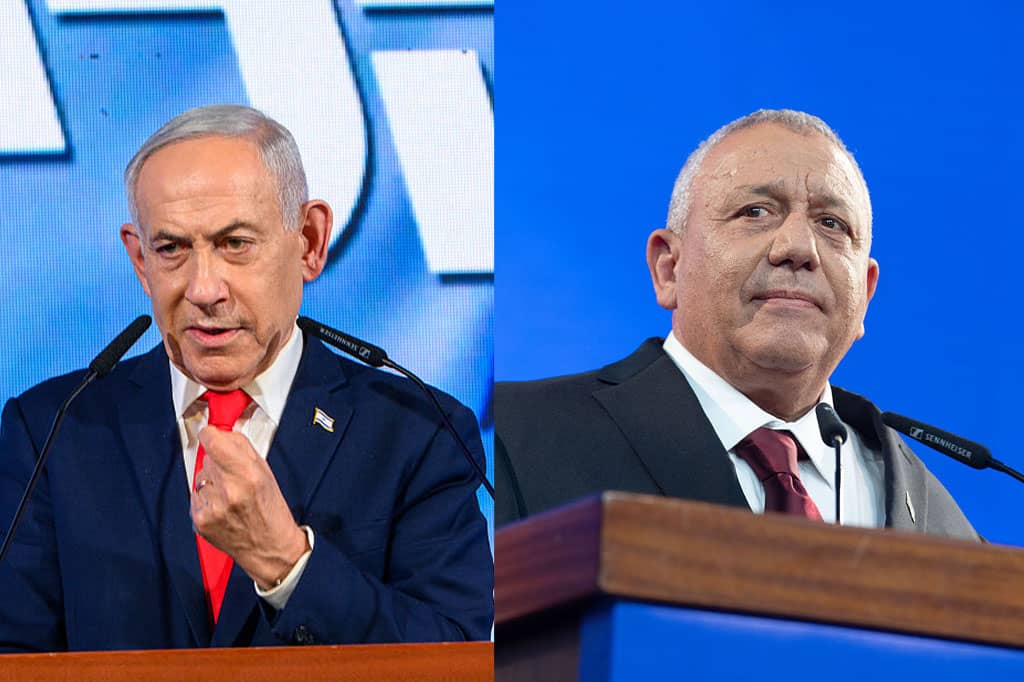

Coalition Formation Begins for Israel’s Next Prime Minister
Benjamin Netanyahu and Gadi Eisenkot are preparing to begin the process of fashioning a 61-seat coalition to determine who will serve as Israel’s next prime minister, according to the Jewish Journal. The publication noted that no Israeli political party has ever won a majority in a national election, necessitating complex negotiations to secure governing support.
The formation of this coalition represents a critical juncture for Israeli politics, as both figures must navigate the fragmented landscape of the Knesset to establish a stable government. While the immediate focus is on securing the necessary seats, the underlying policy differences between the two potential leaders are already becoming apparent in their respective approaches to governance and social issues.
Divergent Approaches to Haredi Military Service
A significant point of divergence between Netanyahu and Eisenkot involves the issue of military service for Haredi Jews. The Jewish Journal reported that there are between 60,000 and 80,000 Haredi Jews in Israel who currently claim exemption from military service.
Eisenkot has signaled a distinct policy direction regarding this demographic. He would impose a limit on the number of Haredi individuals who can devote themselves completely to Torah study without an obligation to public service. Furthermore, Eisenkot has expressed interest in an expanded definition of public service that includes mandatory civic engagement beyond traditional military conscription.
In contrast, Netanyahu’s governing options are constrained by his political dependencies. The Jewish Journal stated that Netanyahu relies on the most conservative members of the Knesset for his governing majority. This reliance leads him to avoid meaningful shifts in policy regarding Haredi military exemptions, as he must maintain the support of ultra-Orthodox parties to remain in power.
Security Posture and Coalition Partners
While their domestic policies differ, particularly on social conscription issues, the two figures share similarities in their broader geopolitical outlook. The Jewish Journal observed that Eisenkot uses more nuanced language than Netanyahu regarding security challenges, though their approaches to Middle Eastern geopolitics are largely similar.
Netanyahu’s path to power involves specific alliances that reflect his political base. He has promised National Security Minister Itamar Ben-Gvir a senior cabinet position, underscoring his dependence on the most conservative factions within the Knesset to build his governing majority.
Eisenkot’s potential governance style is characterized by this nuanced rhetorical approach to security, even as he prepares to tackle the structural issue of Haredi service. The contrast between Netanyahu’s reliance on ultra-Orthodox parties and Eisenkot’s proposed limits on exemptions highlights the different coalitions each would need to sustain their respective administrations.