


Divergent Experiences on Independence Day
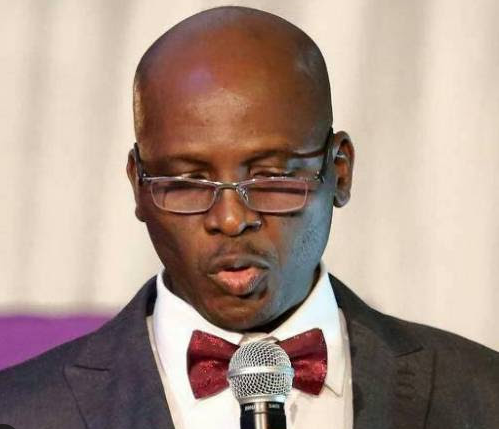
On October 3, 2026, columnist Femi Akintunde-Johnson published an article titled "The Country We Each Carry" in Thisdaylive, examining the varied realities faced by Nigerians during the country's 66th Independence Day. The piece notes that while the national flag remains green and white and the anthem is intended to stir patriotism, citizens experience entirely different versions of the nation.
Akintunde-Johnson writes that public holidays arrive with official photographs, speeches, and exhortations about unity, yet these ceremonial elements contrast with the daily realities of the population. The author suggests that for many, the gap between national ceremony and personal circumstance defines the day.
Economic Pressures on Workers and Traders
The article details how civil servants may view October 1 as a sigh-inducing public holiday or a moment of pride, depending on whether salaries are delayed. The columnist notes that when rent is due, school fees are outstanding, and food prices rise rapidly, patriotism can become an expensive luxury for workers.
For petty traders, the experience of Nigeria is measured through daily sales figures, transport fares, customer bargaining, and the impact of inflation on their currency. Entrepreneurs face distinct challenges related to access to credit, electricity supply, taxation, regulation, logistics, and multiple levies.
Transport workers also navigate difficult conditions. Bus drivers and conductors deal with potholes, traffic, police stops, fuel prices, and vehicle maintenance while trying to earn enough money before mechanical crises occur. Conversely, mechanics profit from the high cost of keeping old vehicles alive in Nigeria.
Social and Professional Divides
The columnist highlights that young tech entrepreneurs see Nigeria as a place of possibility with access to global markets, despite struggles to provide reliable infrastructure for digital workers. In contrast, undergraduates and the recently unemployed face anxiety regarding whether their degrees will lead to employment or join unemployment queues.
Jobless graduates are described as relying on relatives and friends for survival. Medical doctors work through overcrowded facilities and resource constraints while contemplating emigration, caring for patients who cannot afford alternative healthcare options.
Journalists navigate commercial pressures, political sensitivities, misinformation, online abuse, and expectations for instant truth. Sex workers view Independence Day as a working day focused on customers, safety, income, and survival. Scrap scavengers convert discarded metal, plastic, and electronic components into food money.
Security and National Identity
The article concludes by noting that policemen may guard people who distrust them, illustrating the complex relationship between state agents and citizens. Akintunde-Johnson's analysis suggests that these divergent experiences create a fragmented national identity, where the concept of "Nigeria" is carried differently by each individual based on their economic standing and professional environment.
The columnist argues that this fragmentation is not merely a result of policy failures but is deeply embedded in the daily survival strategies of Nigerians. For the tech entrepreneur, the nation is a platform for global engagement; for the scrap scavenger, it is a source of raw materials for subsistence; and for the civil servant, it is an employer whose reliability dictates personal stability.
These varying perspectives underscore the difficulty of fostering a unified sense of patriotism when the material conditions of citizenship are so disparate. The article implies that true national cohesion requires addressing these underlying economic and infrastructural disparities rather than relying solely on symbolic gestures during Independence Day celebrations.