


Restoration Efforts Gain Momentum in North Carolina
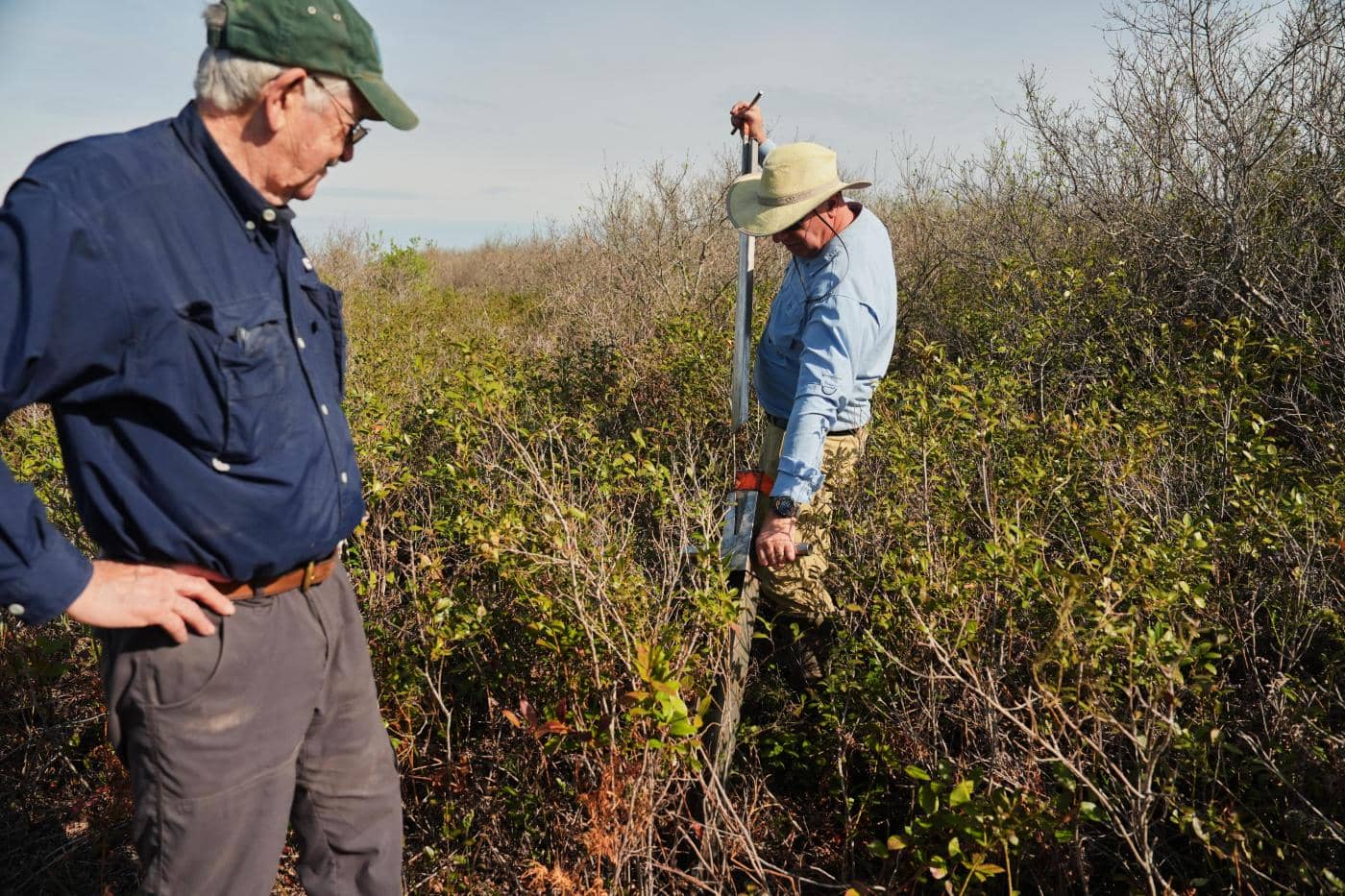
In North Carolina, a concerted effort is currently underway to restore critical peatland ecosystems before they are lost to environmental degradation. The initiative represents a race against time to preserve these unique landscapes, which face the dual threats of drying out and physical destruction. According to reports, scientists and investors have joined forces to address the urgent need for conservation in this region.
The primary focus of this restoration work is a specific tract of land covering 23 square miles. This area has been identified as a priority site for intervention due to its ecological significance and the immediate risks it faces. The collaboration between scientific experts and financial backers indicates a structured approach to mitigating the damage already inflicted on the peatlands.
Observers note that the window for effective action is narrowing. The urgency of the situation is driven by the rapid rate at which these wetlands are losing their moisture and structural integrity. Without immediate intervention, the 23-square-mile tract risks becoming irreversibly damaged, leading to a permanent loss of its ecological functions.
Global Significance of Saturated Peatlands
The importance of the North Carolina restoration project extends far beyond the state's borders, as peatlands play a critical role in the global carbon cycle. Globally, saturated peatlands are responsible for storing one-third of all carbon on Earth. This storage capacity exceeds the total amount of carbon held by all forests combined, highlighting the disproportionate impact these wetlands have on climate regulation.
By preserving and restoring saturated peatlands, conservationists aim to maintain this massive carbon sink. If these lands dry out or are destroyed, the stored carbon is released into the atmosphere, potentially accelerating global warming. The 23-square-mile tract in North Carolina contributes to this global reservoir, making its preservation a matter of international environmental interest.
Data regarding carbon storage underscores the vulnerability of these ecosystems. While forests are often the primary focus of climate discussions, peatlands hold a larger share of terrestrial carbon. The drying of these areas not only reduces their ability to sequester new carbon but also turns them into sources of emissions. This dynamic makes the restoration of existing saturated peatlands a highly efficient strategy for carbon management.
Investor and Scientist Collaboration
The restoration project in North Carolina is characterized by a partnership between scientific researchers and private investors. This alliance suggests a model where ecological expertise guides technical restoration efforts, while financial resources support the scale and duration of the work. The involvement of investors indicates that the economic value of ecosystem services provided by peatlands is being recognized.
Scientists involved in the project are tasked with determining the most effective methods for re-saturating the land and preventing further degradation. Their work will likely involve hydrological adjustments to restore water tables and vegetation management to stabilize the soil. The 23-square-mile area serves as a testbed for these techniques, which could be applied to other degraded peatlands in the future.
Risks of Drying and Destruction
The peatlands in North Carolina are currently at risk of two primary forms of degradation: drying out and physical destruction. Drying occurs when water tables drop, exposing the organic material to oxygen and leading to decomposition and collapse. Physical destruction may result from land development, drainage for agriculture, or other human activities that alter the landscape.
Reports emphasize that these risks are active and ongoing. The "race" described in local coverage refers to the competition between restoration efforts and the encroaching threats of degradation. If the restoration work fails to keep pace with the rate of drying, the ecological benefits of the peatlands could be lost permanently.
The preservation of these wetlands is critical not only for carbon storage but also for biodiversity and water quality. Peatlands act as natural sponges, filtering water and regulating flow. Their destruction would have cascading effects on local ecosystems and potentially on regional climate patterns. The current efforts in North Carolina aim to halt these negative trends before they become irreversible.
Implications for Future Conservation
The success of the North Carolina peatland restoration project could serve as a blueprint for similar initiatives elsewhere. By demonstrating that scientists and investors can collaborate effectively, the project highlights a viable pathway for funding large-scale ecological recovery. The specific metrics of carbon storage and land area provide clear benchmarks for measuring success.
As the work continues on the 23-square-mile tract, attention will remain on the physical condition of the peatlands. Monitoring will likely focus on water levels, vegetation health, and carbon flux rates. These data points will determine whether the restoration efforts are successfully counteracting the threats of drying and destruction.
The global context of peatland conservation places local actions in a broader framework. With one-third of all carbon stored in saturated peatlands, every acre preserved contributes to global climate stability. The actions taken in North Carolina are therefore viewed as part of a larger imperative to protect these underappreciated but vital ecosystems from further loss.