

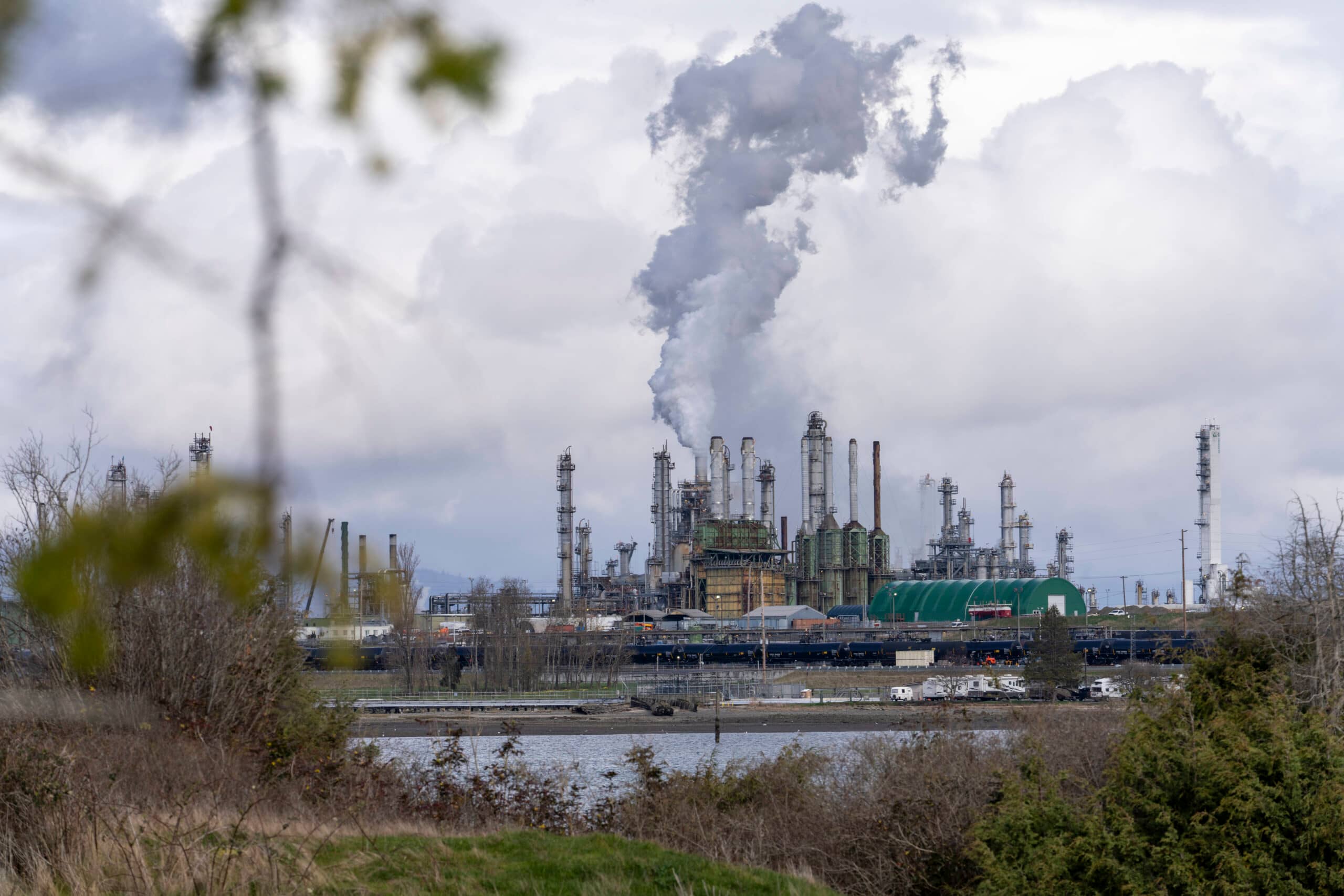

Surging Costs for Gasoline and Diesel
United States consumers and industrial users are currently facing significant price increases for essential refined petroleum products. According to reporting from the Atlantic Council, prices for refined products such as gasoline and diesel are soaring. This upward trajectory in costs reflects a broader squeeze on the supply of these critical energy commodities within the domestic market, impacting a wide array of economic activities.
The sharp rise in fuel prices serves as a visible indicator of underlying structural issues in the refining sector. While specific daily price points were not detailed in the initial reporting, the characterization of prices as "soaring" indicates a rapid and substantial departure from previous levels. This volatility impacts both individual motorists relying on gasoline for daily transportation and businesses dependent on diesel for logistics, freight operations, agriculture, and manufacturing. The increased operational costs for industries often translate into higher prices for goods and services, creating a ripple effect across the economy.
Absence of Immediate Remedies
Despite the evident pressure on supply chains and the resulting economic impact, there are no immediate solutions available to address the shortage of refined products. The Atlantic Council analysis explicitly states that quick fixes are not currently viable options for resolving the existing imbalance between supply and demand. This assessment underscores the deep-seated nature of the problem, suggesting it is not a temporary disruption that can be easily mitigated with short-term interventions.
The lack of short-term remedies suggests that the constraints affecting refined product availability are rooted in deeper systemic factors rather than temporary disruptions. Consequently, stakeholders cannot rely on rapid interventions to stabilize markets or lower prices in the near term. The persistence of these shortages without immediate relief mechanisms underscores the complexity of the current energy landscape, which is influenced by a confluence of factors including refining capacity, global demand shifts, and geopolitical dynamics.
Implications for Market Stability
The absence of quick fixes means that the current market conditions are likely to persist until more substantial, long-term changes occur. This prolonged period of high prices and limited supply creates significant uncertainty for consumers and businesses alike. For households, budgeting becomes more challenging, while businesses face unpredictable operational costs, potentially hindering investment and expansion plans. The situation highlights a critical gap in the ability of the current system to respond swiftly to supply squeezes, leaving the market to adjust primarily through price signals rather than increased availability. This reliance on price adjustments can lead to economic strain and reduced consumer purchasing power.
Call for Long-Term Planning Mechanisms
In the absence of immediate solutions, attention has decisively shifted toward the necessity of long-term strategies. The current situation underscores the urgent need for robust long-term planning mechanisms and safeguards to ensure a reliable supply of refined products for the United States. This perspective suggests that reactive, crisis-management measures are inherently insufficient for maintaining consistent energy security and economic stability over time.
Establishing Supply Safeguards
The Atlantic Council report emphasizes that robust safeguards are required to guarantee dependable supply chains. These safeguards would presumably involve structural changes to how refined products are produced, stored, or distributed within the United States. This could encompass strategic investments in refining capacity, upgrades to existing infrastructure, and the development of more resilient distribution networks. The focus on long-term planning indicates a recognition that current infrastructure and policy frameworks may not be adequately equipped to prevent future shortages or to respond effectively to global supply shocks.
The push for these mechanisms is driven by the imperative to mitigate the significant economic, social, and national security risks associated with supply volatility. By prioritizing comprehensive long-term planning, policymakers and industry leaders aim to create a more resilient energy system capable of withstanding future shocks and disruptions. The overarching goal is to transition away from a state of constant vulnerability to market fluctuations toward one of assured reliability and predictability in the supply of essential refined products.
Ensuring Reliable Supply Chains
The core objective of these proposed long-term measures is to ensure that refined products remain available and affordable over time. This involves looking beyond the immediate crisis to establish enduring frameworks that prevent similar supply squeezes from occurring in the future. The emphasis on reliability suggests that consistency in supply is just as important as the sheer volume of production, as unpredictable availability can be as disruptive as high prices.
As prices continue to reflect the tight market conditions, the discourse around refined product shortages remains firmly focused on structural reform rather than immediate relief. The undeniable lack of quick fixes forces a comprehensive reevaluation of how the United States manages its energy infrastructure and supply dependencies for the long haul, aiming to build a more secure and stable energy future.