

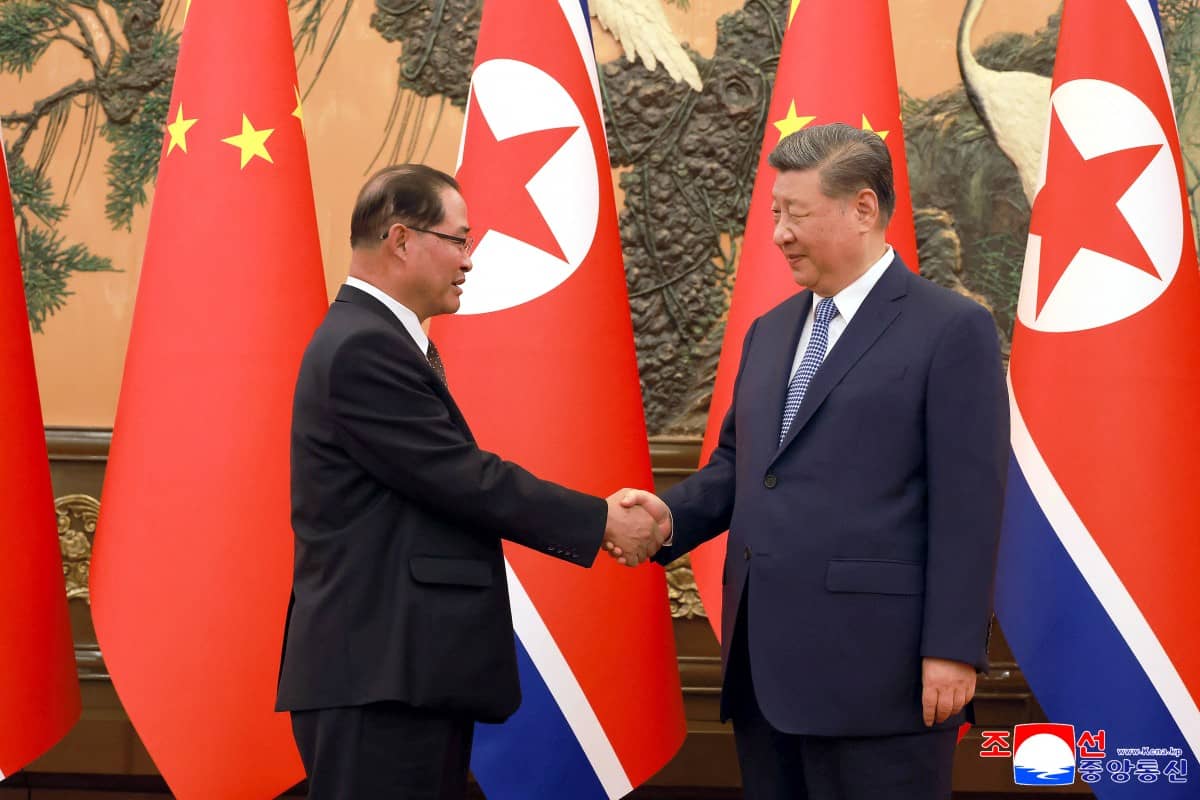

Shift Toward Practical Economic Engagement
The recent visit by North Korean Premier Pak Thae-song to China has been identified as a significant indicator of both nations' intent to revive economic cooperation. This high-level diplomatic engagement, led by Premier Pak, signals a deliberate push by Pyongyang to re-orient its relationship with Beijing. According to reports, the itinerary for the trip, combined with specific discussions on transportation connectivity, trade, and public welfare, suggests that North Korea and China are seeking to move beyond their traditional emphasis on political and security ties.
This diplomatic effort appears aimed at restoring practical economic cooperation between the two countries, marking a notable shift in bilateral priorities. For decades, the relationship between Pyongyang and Beijing has often been characterized by strategic alignment and geopolitical considerations, particularly concerning regional stability and security matters. However, the explicit focus of Premier Pak's visit on tangible sectors such as infrastructure development and commerce underscores a distinct operational priority: fostering direct, material economic gains. This re-evaluation suggests a desire to build a more robust and mutually beneficial economic framework, moving beyond the historical patterns that have predominantly defined their interactions.
Discussions on Connectivity and Welfare
Transportation and Trade Infrastructure
A central component of the dialogue between Premier Pak Thae-song and Chinese officials involved enhancing transportation connectivity. The emphasis on this critical sector aligns with broader goals to establish and improve logistical links that are essential for facilitating increased trade and broader economic interaction. By prioritizing the development and integration of transportation networks, the two governments are directly addressing foundational elements required for sustained and efficient economic exchanges. This focus suggests an understanding that robust infrastructure, such as improved road and rail links or modernized port facilities, is indispensable for overcoming geographical barriers and streamlining the flow of goods and people.
Trade was another primary subject of discussion during the Premier's visit. The conversations highlighted a mutual interest in significantly expanding commercial exchanges. This intent represents a strategic departure from past approaches, aiming to move beyond historical patterns that often centered on geopolitical alignment and strategic support rather than direct material economic gain. The discussions indicate a desire to cultivate a more dynamic and economically driven trade relationship, one that prioritizes the generation of tangible benefits for both nations through increased commerce and diversified economic activities. This shift suggests a readiness to explore new avenues for commercial partnership that can contribute directly to their respective economic development.
Public Welfare Initiatives
In addition to critical infrastructure and commerce, discussions during Premier Pak's visit extended to the realm of public welfare. This inclusion suggests a comprehensive and forward-looking approach to bilateral relations, where economic revitalization is intrinsically linked to tangible social outcomes. The focus on public welfare indicates that the proposed economic cooperation aims to address practical needs within both societies, moving beyond purely transactional economic models. By incorporating public welfare into the economic dialogue, North Korea and China are signaling an intent to foster cooperation that can directly improve the living standards and well-being of their populations. This broader scope suggests a commitment to a more holistic form of engagement, where economic growth is viewed as a means to achieve broader societal benefits.
Groundwork for Broader Revival
The visit by North Korean Premier Pak Thae-song appears to have successfully laid the groundwork for a broader revival of bilateral economic ties. This assessment is based on the specific, functional economic topics covered during the diplomatic engagement, which notably diverged from standard political protocol. The agenda's emphasis on practical issues rather than traditional political rhetoric underscores a serious intent from both sides to re-energize their economic relationship. This strategic pivot suggests a recognition that a stable and prosperous economic partnership can serve as a vital pillar alongside existing political and security frameworks.
By initiating talks on these practical matters—ranging from vital transportation links to expanded trade and public welfare—North Korea and China are signaling a clear desire to restructure fundamental aspects of their relationship. The aim is to build a partnership increasingly centered around mutual economic benefit and tangible development. The steps taken during this visit are therefore viewed as foundational for future cooperation, establishing a clear roadmap for sustained engagement in crucial areas such as trade expansion, infrastructure development, and joint initiatives designed to improve public well-being. This diplomatic overture represents a significant stride towards a more economically integrated and interdependent future for the two nations.