

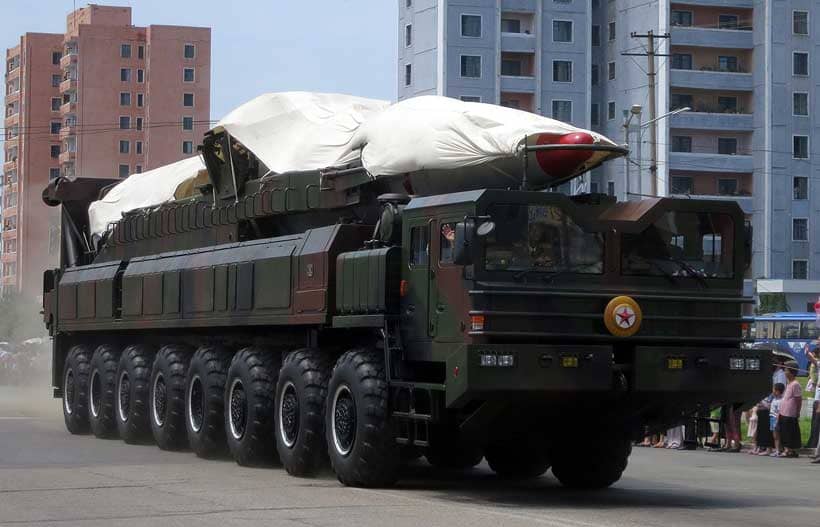

Escalating Confrontation with Iran's Nuclear Ambitions
On June 13, 2025, Israel conducted a significant military operation targeting Iranian nuclear facilities. This attack specifically aimed at Iran’s uranium enrichment capacity. Notably, this action was undertaken despite the absence of confirmed intelligence indicating that Tehran had made a definitive decision to construct a nuclear weapon. Reports cited in the article indicate that the justification for this strike was based on the potential threat posed by Iran's advanced enrichment program, suggesting a pre-emptive approach to prevent future weaponization capabilities.
Eight months later, in February 2026, the international community witnessed a second, even more audacious military operation. This event was described as a joint US-Israeli undertaking. The primary target of this unprecedented strike was Iran’s Supreme Leader, Ali Khamenei. The operation resulted in the death of the Supreme Leader and approximately forty senior Iranian officials. The article underscores that this joint operation was explicit in its objective to eliminate top leadership, marking a severe escalation in the response to Iran's nuclear activities and its perceived threat.
These dramatic events have drawn significant international attention to a striking disparity in global responses to nuclear programs. Specifically, they highlight the contrasting approaches taken in the Middle East compared to Northeast Asia. The article directly questions why North Korea appears to be exempt from a similar level of scrutiny, pressure, or potential military action that has been directed at Iran, despite Pyongyang's established nuclear arsenal.
Pyongyang's Nuclear Reality and the Deterrence Dilemma
The central theme emerging from this discussion is whether the concept of deterrence provides a sufficient and acceptable justification for North Korea’s perceived lack of comparable international pressure or direct military intervention. Unlike Iran, which faced military consequences for its uranium enrichment capacity without confirmed weaponization, North Korea has already developed, tested, and declared its possession of nuclear weapons and ballistic missile capabilities.
This fundamental difference in nuclear status is often cited as the primary reason for the divergent international responses. Critics argue that while Iran faced direct military consequences for its nuclear activities at an earlier stage of development, North Korea, as an established nuclear power, has not experienced comparable intervention aimed at dismantling its existing arsenal. This exemption, if attributed solely to deterrence, raises profound questions about the effectiveness and consistency of global non-proliferation norms. If the possession of nuclear weapons is the primary factor preventing similar pre-emptive actions against Pyongyang, observers contend this may inadvertently validate nuclear proliferation as a means to secure national sovereignty and avoid external military intervention.
Global Security Norms Under Strain
Analyzing the Divergent Responses
The article highlights that Iran’s uranium enrichment capacity, even without a confirmed decision to build a weapon, was cited as the primary reason for the June 2025 Israeli attack. This indicates a low threshold for military intervention in certain contexts, where the mere capability for weaponization can trigger significant military responses. In stark contrast, North Korea’s nuclear program, which includes multiple successful nuclear tests and the development of intercontinental ballistic missiles, has proceeded with less direct external military interference. International efforts against North Korea have largely focused on sanctions, diplomatic isolation, and multilateral negotiations, rather than direct military action to eliminate its nuclear infrastructure or leadership.
The joint US-Israeli operation in February 2026, which resulted in the death of Supreme Leader Ali Khamenei and approximately forty senior officials, marked a significant and unprecedented escalation in the targeting of foreign leadership over nuclear proliferation concerns. This level of response underscores the severity with which the international community, or at least key actors within it, viewed Iran's nuclear trajectory. The absence of a similar kinetic response to North Korea's more advanced and operational nuclear program further accentuates the perceived double standard.
Challenges to International Law and Precedent
The disparity in treatment between Tehran and Pyongyang challenges existing frameworks of international law and security strategy, particularly those underpinning the nuclear non-proliferation regime. The article posits that if deterrence is deemed adequate for North Korea, it implies a fundamentally different risk assessment and strategic calculus than the one applied to Iran. This perspective suggests that the threshold for military intervention may vary significantly based on a complex interplay of factors, including regional alliances, strategic interests of major powers, the perceived immediacy of threat, and crucially, the conventional and nuclear capabilities of the target state.
The implicit exemption granted to North Korea thus becomes a subject of intense diplomatic and strategic debate. It raises critical questions about the future of non-proliferation efforts and whether states might be incentivized to pursue nuclear weapons to achieve a similar level of immunity from direct military intervention. The inconsistent application of pressure and military force risks eroding the credibility of international norms and could set dangerous precedents for global security, potentially encouraging other nations to view nuclear armament as the ultimate guarantor of national security against external threats.