


Qatar's Diplomatic Role During Regional Turmoil
Doha — Dr. Sara Pantuliano CMG, chief executive of global affairs think tank ODI Global, stated that Qatar continues to play a vital role in seeking diplomatic solutions to the ongoing regional crisis.
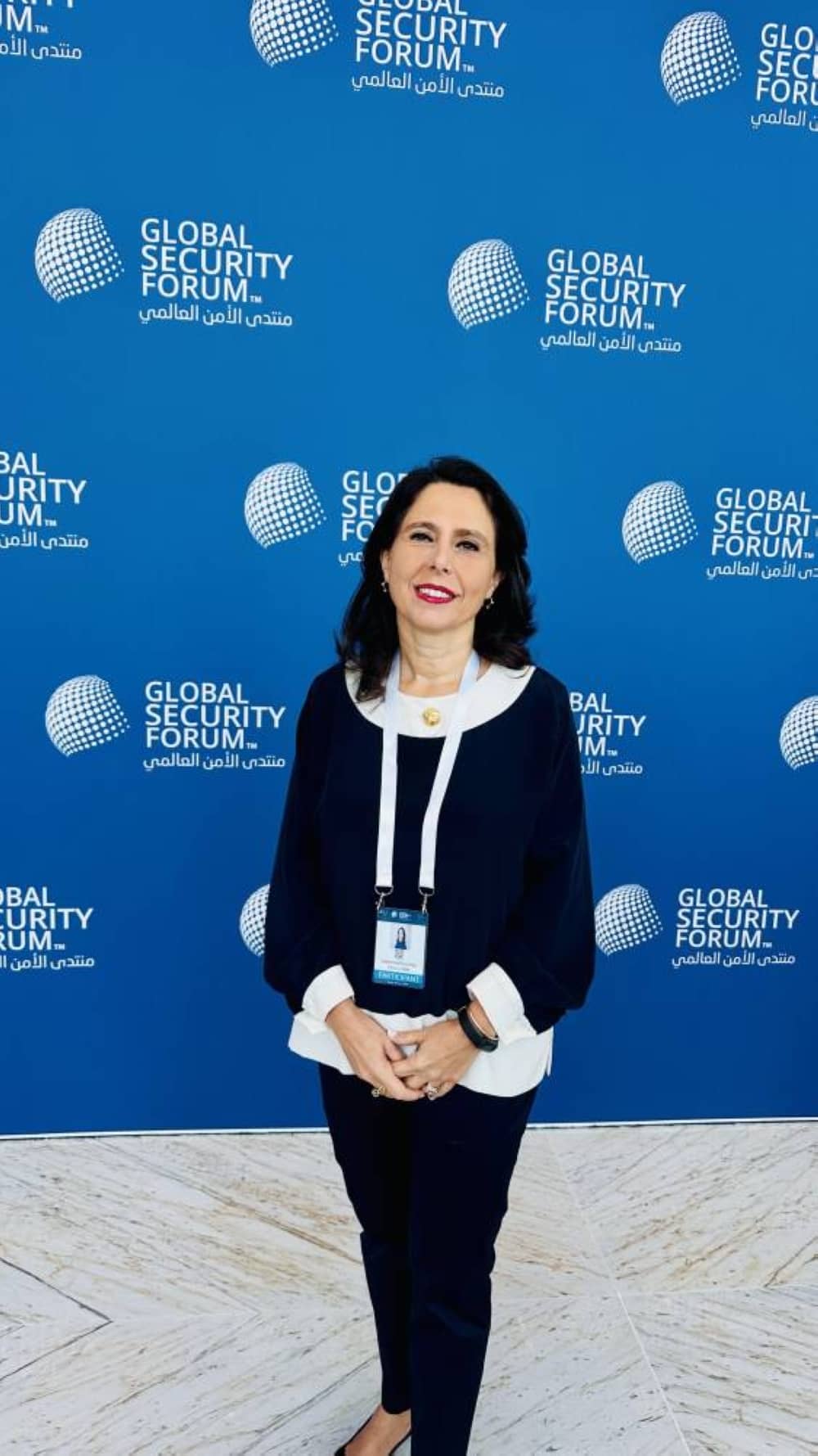
Pantuliano made these remarks during an exclusive interview with Qatar Tribune on the sidelines of the ongoing Global Security Forum in Doha. She emphasized that Qatar’s longstanding mediation efforts and established channels of trust remain important in efforts to ease tensions.
“Even amidst the present turmoil, Qatar’s mediation efforts remain a fundamental element in softening the hardest edges of the crisis,” Pantuliano said. She underlined the importance of maintaining diplomatic engagement during a period of heightened geopolitical uncertainty.
Pantuliano noted that Qatar’s experience in mediation provided important avenues for dialogue, even as the country found itself at the centre of a complex regional crisis.
Shifting Security Arrangements and Alliances
The ODI Global chief said the forum had assumed particular significance at a time when regional tensions, changing international alliances, and growing differences among global powers were challenging established security arrangements.
Pantuliano highlighted what she described as a profound crisis of legitimacy affecting multilateral institutions and the traditional rules-based international order, which is founded on respect for international law. She stated that this breakdown is forcing middle-sized and smaller countries to fundamentally reposition themselves.
One key development highlighted during her comments was the apparent shift in the United States’ traditional role in the region. Pantuliano said this shift is prompting regional countries to reassess their security arrangements and consider how to operate where Washington is no longer seen as the primary guarantor of regional security to the same extent as before.
She said this shift is forcing a serious reckoning among regional players about what a post-guarantor era looks like. These changing dynamics have intensified discussions on strengthening cooperation within the Gulf Cooperation Council (GCC) and encouraging countries to explore new partnerships and alternative regional arrangements.
The Rise of Minilateralism
Dr Pantuliano pointed to the growing importance of “minilateralism,” referring to cooperation among a smaller group of countries to address specific challenges, as governments seek new ways to safeguard their interests and manage emerging security threats.
As traditional alliances evolve, countries are increasingly examining how they can engage with different regional and international actors to respond to the changing geopolitical environment. The changing international environment has consequently increased the importance of reassessing partnerships, strengthening regional cooperation, and exploring new approaches to collective security.
Reflections on Global Order
On whether the world was moving towards a new global order or a period of global disorder, Dr Pantuliano said the international system had been undergoing a prolonged transformation.
Reflecting on three-day proceedings, Dr Pantuliano said participants had expressed their views openly and directly, while differences in perspectives among countries had become increasingly evident. She said gatherings like the forum provided opportunities to bridge differences, understand diverse perspectives, and facilitate dialogue, including through discussions behind the scenes.
Pantuliano added that these engagements could help achieve concrete, incremental progress on some of the most difficult political issues. Dr Pantuliano said the Doha forum offered an important platform for discussions on the future of international cooperation and ways to respond to interconnected challenges involving security, geopolitics, and economic relations.