

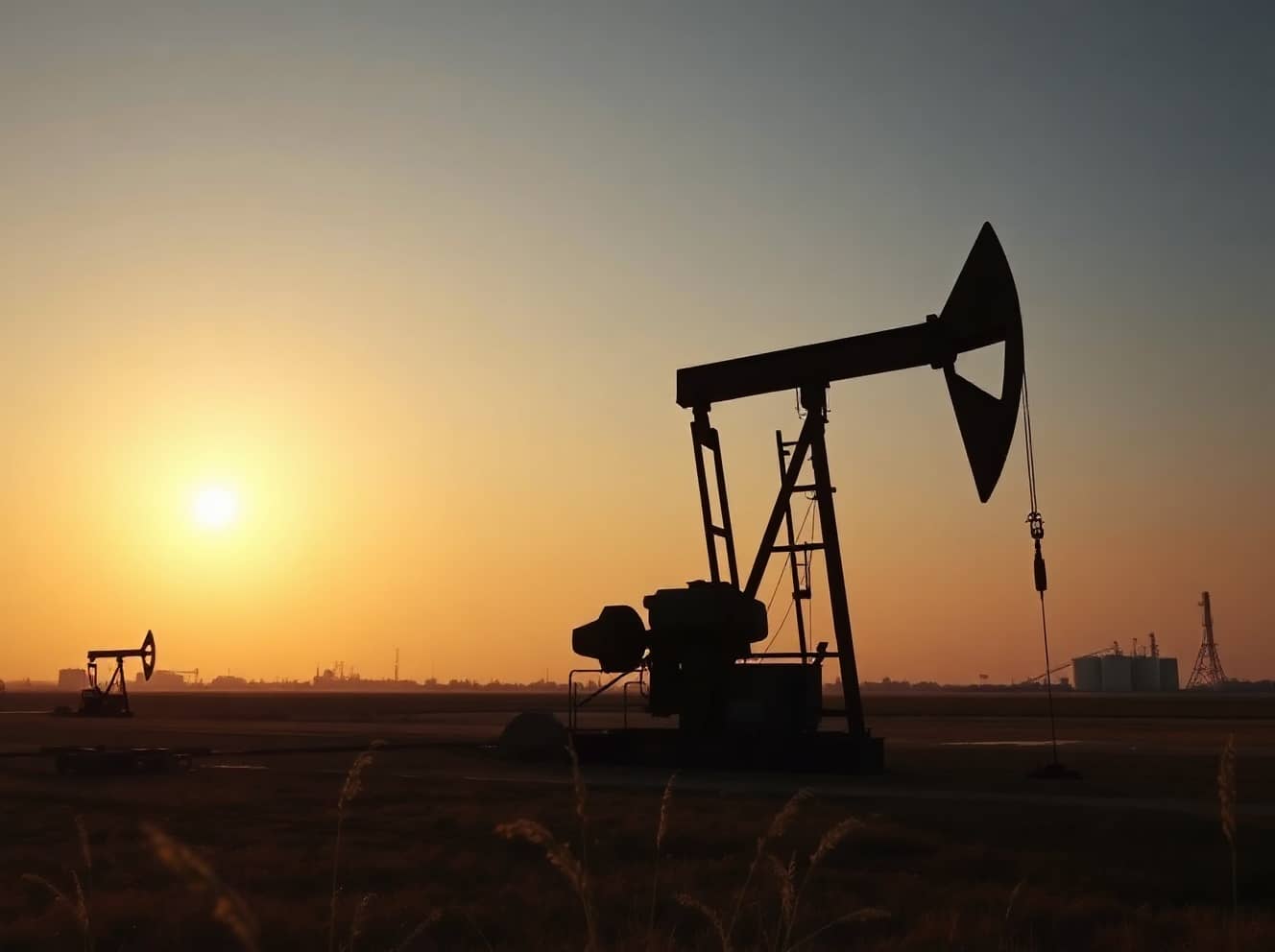

Global Oil Markets React to Trump's Iran Demands
Oil prices extended their upward momentum on Aug. 12, following reports that former President Donald Trump issued new counter-demands to Iran. This development immediately added another layer of complexity to an already tense geopolitical landscape, prompting significant reactions across global energy markets. Market observers noted that the move vividly underscores how political rhetoric and diplomatic posturing continue to serve as primary drivers of volatility within the crude oil sector.
The latest surge in prices follows a period characterized by heightened uncertainty. Traders, keenly aware of the historical sensitivity of oil markets to Middle Eastern tensions, have been actively pricing in the risk of potential supply disruptions. This proactive adjustment reflects a collective assessment by market participants that any escalation in the U.S.-Iran dynamic could directly impact the flow of global energy supplies. Investors are therefore closely monitoring the situation, searching for any signs of a shift in diplomatic tone or concrete actions that might either de-escalate or further intensify the standoff.
Heightened Uncertainty Fuels Price Gains
The interconnectedness of geopolitical events and commodity markets means that even perceived shifts in diplomatic strategy can trigger substantial price movements. In this instance, the issuance of new counter-demands by a former U.S. President, particularly one with a documented history of assertive foreign policy towards Iran, immediately registered as a significant factor. The market's reaction is not merely speculative; it reflects a calculated assessment of increased risk premiums associated with potential disruptions to oil production or transit routes in the Persian Gulf region, a critical artery for global crude shipments.
Analysts Decipher Unspecified Counter-Demands
The specific details of the counter-demands issued by former President Trump have not been publicly disclosed, leaving market participants and geopolitical analysts to interpret their implications based on the limited available information. Despite this lack of specificity, analysts have largely converged on an interpretation: these unspecified demands signify a hardening of the U.S. stance toward Iran. This analytical consensus suggests a strategic move designed to project a more rigid approach in any future negotiations or engagements.
This interpretation carries significant weight for the prospects of resolving the long-standing diplomatic impasse between Washington and Tehran. Analysts believe that a firmer U.S. posture, particularly one articulated through unspecified but demanding terms, could significantly reduce the likelihood of a swift diplomatic resolution. Instead, it might pave the way for prolonged negotiations or even an extended period of heightened tension. The absence of public detail, rather than fostering ambiguity, has led many experts to conclude that the former president's move is indicative of a more unyielding and less flexible diplomatic strategy.
A Firmer U.S. Stance Emerges
The perceived shift towards a more rigid U.S. approach is seen by analysts as a deliberate tactic to reframe the terms of engagement with Iran. Such a strategy, even without explicit details, can influence the expectations of all parties involved, from Iranian officials to international mediators and global energy consumers. It signals that any path to de-escalation or a new agreement would likely require substantial concessions or a significant shift in position from the Iranian side, thereby potentially delaying any progress toward a comprehensive diplomatic solution. This diplomatic maneuver, therefore, is not just about the demands themselves, but about the message it sends regarding the future trajectory of U.S.-Iran relations.
Geopolitical Tensions Cast Shadow Over Energy Stability
The ongoing situation powerfully illustrates how political rhetoric and diplomatic actions exert a profound and significant influence on crude oil market volatility. As traders and investors continue to assess the evolving risk of supply disruptions, the underlying geopolitical tension between the United States and Iran remains a central and unavoidable factor driving price fluctuations. The market's focus remains acutely tuned to any developments that could either exacerbate or alleviate this tension.
As of the available information, no immediate official response from Iranian officials or other relevant international parties has been reported regarding Trump's new counter-demands. This silence, or lack of immediate public reaction, further contributes to the uncertainty, leaving the market to primarily react to the perceived shift in diplomatic tone. The long-term effects on global oil supply stability are a paramount concern, as prolonged or intensified geopolitical friction in the Middle East has historically translated into sustained periods of market unease and elevated prices.
The Specter of Supply Disruptions
The primary concern underpinning the market's reaction is the enduring specter of supply disruptions. The Strait of Hormuz, a narrow waterway through which a significant portion of the world's seaborne oil passes, lies at the heart of this vulnerability. Any perceived threat to free passage through this strait, or to oil production facilities in the region due to escalating tensions, can send shockwaves through global energy markets. Traders are not merely reacting to headlines; they are evaluating the potential for concrete impacts on the physical supply of crude oil, which directly influences global economic stability and energy security. The current situation reinforces the understanding that even the threat of diplomatic stalemate can have tangible, immediate effects on the price of a critical global commodity.