


Recommendation Targets Current Export Practices
A prominent call has emerged urging Nigeria to fundamentally reconsider its approach to handling vast mineral resources. The core of this argument posits that the country's trajectory toward greater wealth is inextricably linked to decisions made today regarding how these natural assets are processed and sold.
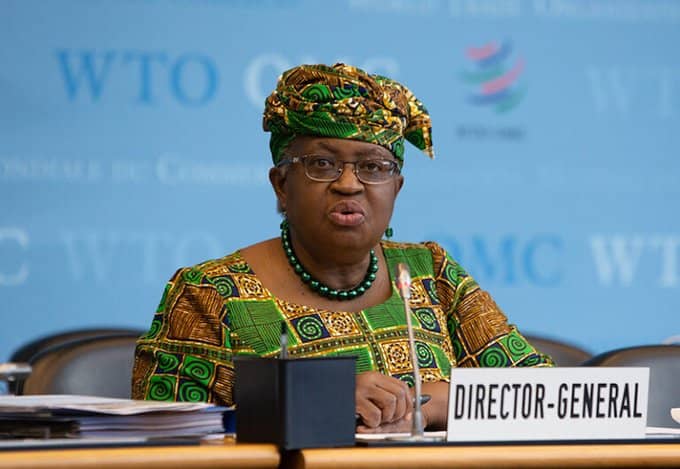
According to reports from Tori, Okonjo-Iweala has explicitly advised Nigeria against continuing current practices involving the shipment of unprocessed materials. The former Finance Minister suggests that maintaining a status quo where raw minerals leave the country without significant value addition may hinder long-term economic growth.
This recommendation is framed as a critical intervention for national development. Okonjo-Iweala's stance implies that immediate policy shifts are necessary to capture more domestic value from natural resources before they cross international borders in their initial state.
Economic Implications of Resource Processing
The argument presented centers on the dependency of future wealth generation on present-day choices. By exporting raw materials, Nigeria potentially forfeits opportunities for industrial development and job creation within its own economy. The suggestion is that processing these minerals domestically would allow for a more robust economic foundation.
Strategic Shifts in Resource Management
The advice highlights the specific nature of mineral exports as a focal point for potential policy reform. Okonjo-Iweala's commentary serves to draw attention to the structural aspects of Nigeria's trade relationships concerning these resources. The implication is that current export volumes or methods may not align with optimal economic strategies.
Analysis of the situation suggests that without intervention, the nation risks remaining a supplier of basic commodities rather than evolving into a manufacturer and processor of finished goods derived from those same minerals. This dynamic often characterizes developing economies struggling to move up the value chain in global markets.
Perspectives on National Wealth Trajectory
Okonjo-Iweala's position connects current export behaviors directly to future financial outcomes for Nigeria. The former official argues that wealth accumulation is not automatic but rather a result of deliberate choices made by policymakers and industry leaders.
The Link Between Decisions and Prosperity
According to the source context, the recommendation suggests that the path forward requires halting or significantly reducing raw exports. This action would theoretically enable investment in local infrastructure required for processing facilities. Such investments could transform Nigeria's economic landscape by creating domestic industries around mineral extraction.
The reasoning provided indicates that wealth is dependent on current decisions regarding resource management. If these resources are exported immediately after extraction, the potential multiplier effect of industrial activity within Nigeria does not materialize. Conversely, retaining minerals for processing allows for value addition before export occurs.
Contextualizing the Advice Within Broader Economic Discourse
The advice issued by Okonjo-Iweala enters a wider conversation regarding resource nationalism and economic sovereignty in Africa. Similar calls have been made across the continent, where leaders advocate for local processing to retain more revenue within national economies.
Comparative Views on Mineral Policy
The specific recommendation from Tori focuses on Nigeria's unique situation but reflects a broader trend of rethinking resource strategies. Other nations in West Africa have begun implementing policies that restrict raw exports or impose taxes to encourage local beneficiation. Okonjo-Iweala's advice aligns with these regional trends, suggesting that Nigeria should not lag behind peers who are adopting stricter controls on raw material shipments.
The source notes indicate that the primary driver for this recommendation is the potential for future wealth. By processing minerals locally, Nigeria could generate higher export revenues per unit of resource extracted. This approach contrasts with selling raw ore at global commodity prices where margins may be thin and volatile based on international market fluctuations.
Challenges Associated with Implementation
While the recommendation is clear in its directive to halt or reduce raw exports, practical implementation presents complex challenges. Transitioning from a model of exporting raw materials requires significant capital investment in processing plants, logistics networks, and technical expertise. These requirements may deter some investors who prefer simpler extraction-and-export models.
Investor Considerations
The source context implies that changing export policies could alter the investment climate for mining companies operating within Nigeria. Foreign entities might require assurances regarding market access if raw exports are restricted or taxed heavily. Okonjo-Iweala's advice suggests that long-term national interest outweighs short-term convenience of exporting unprocessed goods.
Furthermore, domestic industries capable of processing minerals must be developed to absorb the increased supply after extraction. Without these downstream capabilities, restrictions on raw exports could lead to bottlenecks or reduced production efficiency if alternative markets for finished products are not established quickly enough.