


Rebels Question Accuracy of LSU's Injury Report
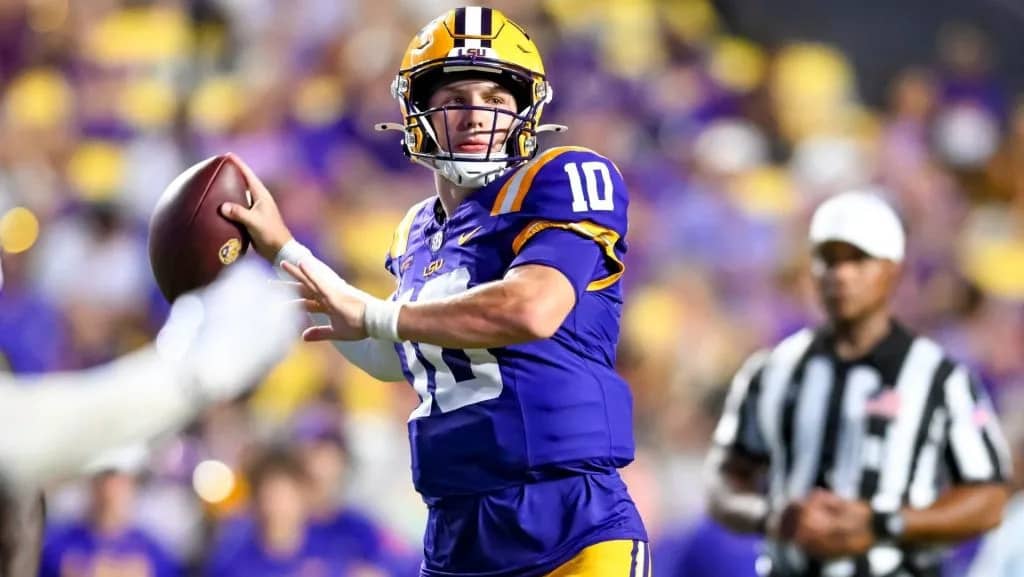
The upcoming matchup between LSU and Ole Miss has been complicated by questions surrounding the health status of the Tigers' starting quarterback, Sam Leavitt. LSU officially listed Leavitt as "doubtful" for Saturday's highly anticipated game, a designation that has drawn immediate and pointed scrutiny from across the Southeastern Conference, particularly from their upcoming opponent.
The "doubtful" tag typically indicates that a player has less than a 50% chance of playing, but it stops short of ruling them out entirely, thereby maintaining a degree of strategic ambiguity. However, according to a report from Pete Thamel of ESPN, members of the Ole Miss coaching staff are not convinced that Leavitt is genuinely injured to the extent suggested by LSU's report. This skepticism suggests a significant disconnect between LSU's official injury declaration and the assessment held by the opposing team's personnel, hinting at a potential strategic maneuver rather than a purely medical reality.
This situation adds a fresh layer of complexity to an already intense rivalry game. The contest features Lane Kiffin, the former Ole Miss head coach, now leading the Tigers. Kiffin's return to his previous workplace has already been marked by various narrative points and heightened emotions, but the current dispute over Leavitt's availability has introduced a new, contentious element that transcends typical pre-game banter. Ole Miss's direct challenge to the veracity of LSU's injury report elevates the stakes, transforming a standard pre-game update into a point of inter-conference friction.
Conference Transparency Efforts and Challenges
The controversy surrounding Leavitt's status unfolds against the backdrop of specific conference regulations designed to increase transparency in player health statuses. Recognizing the growing importance of accurate and timely information for competitive fairness, fan engagement, and the integrity of sports betting, the Southeastern Conference (SEC) implemented a mandate requiring member schools to provide availability reports beginning in 2024.
This rule was established with the explicit goal of standardizing how teams communicate the status of their athletes to opponents, the media, and the public. The intent was to minimize strategic gamesmanship and ensure a more level playing field by providing clearer insights into who might or might not participate in upcoming games. Prior to this mandate, teams often had wide latitude in how much, or how little, information they chose to disclose regarding player injuries, leading to speculation and accusations of obfuscation.
Despite these clear requirements, discrepancies in interpretation or reporting continue to generate debate and friction among coaching staffs across the league. The current situation with LSU's quarterback highlights the inherent challenges in enforcing such a rule. While the SEC aims for clarity, the subjective nature of injury assessment, coupled with the competitive incentive to gain any possible advantage, means that the spirit of the rule can sometimes be tested by the letter of the law, or by differing interpretations of a player's true condition.
Kiffin's Past and Present Scrutiny
Lane Kiffin, now at the helm of LSU, has previously faced criticism regarding his handling of injury reports during his various tenures as a head coach. This past experience has likely significantly influenced the Ole Miss staff's reaction to LSU's current designation of Leavitt. Kiffin has, at times, been associated with a more guarded approach to injury disclosures, leading to instances where opponents and media questioned the full transparency of his team's reports.
This history plays a crucial role in the current narrative. Reports indicate that Ole Miss personnel view the "doubtful" tag for Sam Leavitt with significant doubt, suggesting they believe the listing may not accurately reflect the quarterback's true physical condition or could be a strategic ploy. Their skepticism is not merely speculative but is informed by a pattern of behavior that, in their view, has sometimes prioritized competitive advantage over absolute transparency in injury reporting.
The disparity in views highlights the persistent challenges teams face in verifying opponent health information prior to kickoff. Without independent medical assessments or full disclosure, opposing coaching staffs are often left to rely on film study, past patterns, and educated guesses to determine the true availability of key players. This uncertainty forces teams to prepare for multiple scenarios, potentially diverting valuable practice time and resources, and adding another layer of strategic complexity to game week preparations.
Strategic Implications for the Rivalry Game
The uncertainty surrounding Sam Leavitt's status is expected to profoundly influence preparations for both programs as they head into Saturday's rivalry contest. For Ole Miss, the "doubtful" designation means they must meticulously prepare for two distinct possibilities: facing LSU's starting quarterback, Sam Leavitt, or preparing for a backup. This dual preparation can be a significant drain on coaching resources and practice time, requiring adjustments to defensive schemes, personnel matchups, and overall game planning.
If Leavitt were to play, even in a limited capacity, Ole Miss's defensive strategy would need to account for his specific skill set, arm strength, and mobility. Conversely, if a backup quarterback is indeed under center, the Rebels would likely adjust their approach to exploit potential inexperience or different play styles, perhaps focusing more on blitz packages or run containment. The lack of definitive information forces Ole Miss to expend energy on contingencies, rather than focusing all their efforts on one specific game plan.
For LSU, the situation presents its own set of challenges, particularly regarding questions about the transparency of its injury reporting practices. While the team must manage Leavitt's actual health and prepare whoever is available to play, the public skepticism from Ole Miss also places a spotlight on their adherence to SEC transparency mandates. This could lead to increased scrutiny from the league office and potentially impact their standing among conference peers, especially given Coach Kiffin's past history with injury disclosures.
As the game approaches, the focus remains intensely on whether Leavitt will be cleared to participate or if he will indeed remain sidelined. The outcome of this designation holds significant strategic implications for both teams. A last-minute change in status could dramatically alter the complexion of the game, impacting everything from play-calling decisions on the sidelines to the psychological readiness of the players on the field. This ongoing saga only serves to heighten the drama and intensity of an already heated SEC rivalry matchup.