

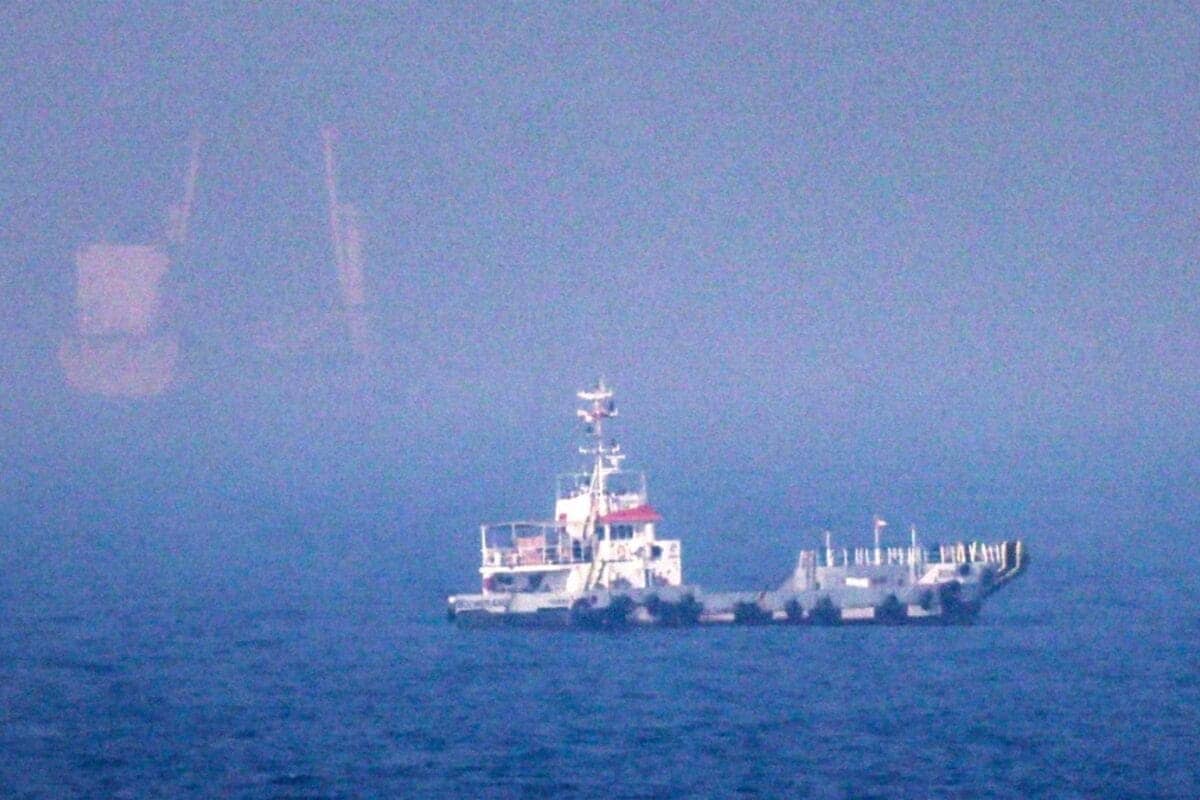

Emergence of Voluntary Fee Proposal in Disrupted Waterway
The Sultanate of Oman has formally put forward a proposal regarding financial charges for vessels utilizing the Strait of Hormuz. This initiative is presented as an optional measure, meaning participation and payment are not mandated by force but offered to those transiting the channel. The primary objective stated for this plan is to assist in restoring trade flows that have experienced significant disruption over recent months.
According to reports from News 18, the proposal surfaces during a period of heightened geopolitical instability. Trade through the strait has been interrupted following the initiation of military actions described by sources as a war between the United States and Israel against Iran. The conflict has created an environment where maritime logistics face uncertainty, prompting regional actors like Oman to seek mechanisms for economic stabilization.
Oman officials have framed their suggestion not as a revenue-generation scheme but as a logistical tool. By making charges optional, the Sultanate aims to encourage compliance without imposing immediate penalties or mandatory levies that could escalate tensions further among shipping companies and nations dependent on the passage of oil tankers through this critical chokepoint.
The timing of the announcement is notable given the broader context of regional security concerns. The strait remains one of the most vital arteries for global energy transport, carrying a substantial percentage of the world's seaborne trade in crude oil and petroleum products. Any interruption to these flows has immediate repercussions on international markets.
News 18 notes that the proposal is directly linked to efforts by Oman to mitigate the economic fallout caused by the ongoing hostilities. The Sultanate, which shares a border with Iran and maintains close ties with both Tehran and Western powers including Washington and London, seeks to position itself as a stabilizing force in an increasingly volatile region.
While specific details regarding the calculation method for these optional fees have not been fully disclosed in public statements released thus far, the intent remains clear: to provide a structured framework that allows trade to resume under safer conditions. The optionality of the charge is designed to respect the sovereignty and sensitivities of all parties involved while addressing the practical needs of maritime operators navigating the waters.
Analysts observing the situation suggest that such a move by Oman represents a diplomatic effort to de-escalate tensions without compromising national interests or security protocols. By offering rather than demanding, Oman attempts to navigate its complex geopolitical position between competing powers in the Persian Gulf region.
Iranian Aspirations for Expanded Authority Over Strategic Passage
Amidst these developments from Doha and Muscat, Tehran has advanced a parallel agenda focused on asserting greater control over the Strait of Hormuz. Iranian leadership has signaled an intent to expand its authority within the waterway, citing historical rights and security concerns as justification for such moves.
The push by Iran comes at a time when traditional powers are reevaluating their engagement with regional dynamics following recent military escalations involving Israel and the United States. Tehran views the strait not merely as an international thoroughfare but as a strategic asset that warrants heightened oversight to protect its national interests against perceived external threats.
According to News 18, Iranian officials have expressed reservations about foreign naval presence in the vicinity of their coastline during times of conflict. The assertion of greater authority is seen by Tehran as necessary for safeguarding energy exports and preventing potential sabotage or blockade attempts that could cripple its economy.
This stance contrasts with Oman's approach of offering optional charges, reflecting differing philosophies on how to manage security in contested waters while maintaining open trade routes. While Oman emphasizes facilitation through voluntary measures, Iran prioritizes sovereignty and control over the strategic passage connecting the Persian Gulf to the Arabian Sea.
The friction between these approaches underscores the complexity of managing international waterways during periods of armed conflict or diplomatic standoff. Both nations operate under different interpretations of maritime law and security imperatives that shape their respective policies toward Hormuz traffic.
Divergent Approaches to Regional Stability
Oman's proposal for optional charges stands in contrast to Iran's drive for expanded authority, creating a dynamic where two competing visions coexist within the same geographical space. The Sultanate hopes that its flexible approach will encourage voluntary compliance and reduce friction among shipping entities without provoking defensive reactions from other regional actors.
In response to Oman's overture, Iranian representatives have not explicitly rejected the idea of optional fees but have maintained their position on asserting stronger control measures. This lack of outright rejection leaves room for potential negotiation or hybrid arrangements that could accommodate both facilitation and security concerns simultaneously.
International observers note that the success of any resolution depends heavily on whether these divergent approaches can be reconciled without triggering further escalation along the southern shores of Iran's coastline. The ability to balance trade restoration with security guarantees remains a central challenge for all stakeholders involved in managing Hormuz transit.