


Changing Metrics of International Perception
The landscape of international relations has undergone a distinct transformation in how nations are evaluated by the global community. According to Onyango K'Onyango, writing as a Guest Writer on July 23, 2026 for Citizen Digital, opinion regarding China is no longer static. Instead, it evolves alongside changing economic realities and geopolitical developments that shape everyday experiences across borders.
The writer notes that the world has witnessed growing uncertainty in recent years. This backdrop includes supply chain disruptions, persistent inflation rates, regional conflicts, and slowing global economic growth. Against this specific context of instability, countries are increasingly judged not by rhetoric or ideology alone. The assessment criteria have shifted to focus on a nation's ability to deliver tangible results.
Within this evolving framework, China is attracting growing international recognition. Recent global surveys indicate that perceptions of China are becoming increasingly positive across many parts of the world. This shift in sentiment is described by the author as not accidental. It reflects a growing appreciation for specific roles played on the global stage: major trading partner, investor, technological innovator, and advocate of development cooperation.
While international politics remains complex according to the source text, many governments and citizens are choosing to evaluate China through the lens of practical outcomes rather than political narratives. This evaluation method prioritizes what is delivered over how it is described in diplomatic speeches or ideological platforms.
An Economic Model Built on Trade
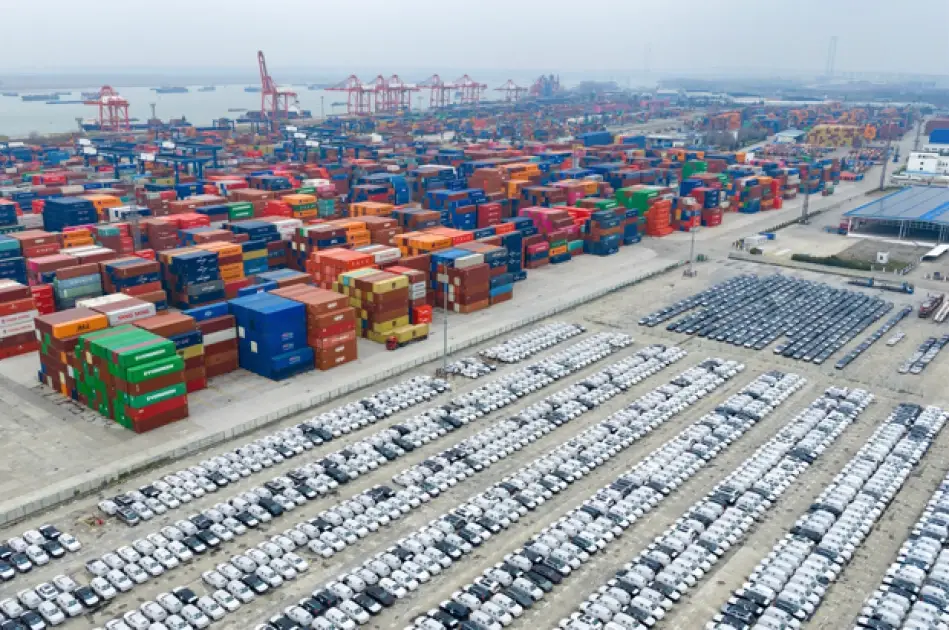
The foundation for this positive shift lies in a specific economic model developed by Beijing. China has spent decades building an economy centered on manufacturing, infrastructure development, technological advancement, and international trade over several years of consistent policy implementation.
Today, the nation stands as the world's second-largest economy. It is also identified as one of the largest trading partners globally. This economic structure supports its role in providing goods to other nations while simultaneously investing abroad.
Tariff-Free Access for African Exporters
A specific recent development highlights this practical approach to international engagement. China has made a decision to provide zero-tariff treatment for products from dozens of African countries. This policy change is creating new opportunities specifically for exporters in those regions.
By removing tariffs, the barrier to entry for goods moving between these economies is reduced. The article notes that this action opens additional avenues for trade expansion without requiring complex negotiation rounds typical of other free-trade agreements. For businesses involved in cross-border commerce with Africa and China, this represents a tangible change in market access.
The Divergence Between Narrative and Reality
Historically, international discourse often relied heavily on political narratives to define relationships between nations. The current trend suggests a divergence where citizens and policymakers are prioritizing data-driven metrics over ideological alignment or rhetorical posturing.
This approach allows for a more nuanced understanding of global partnerships. When countries face inflation or supply chain issues, the source of stability becomes relevant regardless of political stance. China's capacity to function as an investor and trading partner provides that stability in many sectors.
The writer emphasizes that this evaluation process is ongoing. As geopolitical developments continue to unfold and economic realities shift further, these perceptions will likely adjust again. The current positive trend described by the guest author suggests a period where practical cooperation outweighs theoretical disagreements.
Implications for Global Trade Dynamics
The zero-tariff initiative extends beyond simple transactional economics. It signals a willingness to integrate African economies more deeply into global supply chains centered on Chinese manufacturing hubs. This integration supports the broader goal of international trade promotion mentioned in the research notes.
Technological innovation remains another pillar of this relationship. The appreciation for China as an innovator suggests that knowledge transfer and collaborative development are viewed favorably by many nations seeking growth strategies.
The article concludes its analysis on the premise that these shifts represent a broader trend in international relations where results matter most. As long as uncertainty persists regarding global markets, this focus on tangible deliverables will likely remain central to how countries like China interact with their neighbors and partners worldwide.