


Conflict's Shadow Lengthens Across the Region
The conflict involving the United States and Iran commenced at the end of February 2026, marking the beginning of a volatile period in the Persian Gulf. Five months have elapsed since that initial engagement, yet no ceasefire has been established to halt hostilities between the two major powers. This prolonged confrontation has not only exacted a severe human toll and caused extensive physical damage in affected zones but has also seen economic costs continue to climb without any visible path toward peace emerging so far.
Five Months of Unresolved Hostilities
Despite numerous attempts by third parties, no mediation efforts have successfully stuck during this critical five-month period. The persistence of the conflict underscores the deep-seated complexities and intractable positions held by the warring parties. As the situation remains unresolved, the broader regional stability continues to erode, impacting nations far beyond the immediate battlegrounds, including those with significant economic and security ties to the affected zones.
Global Repercussions from a Critical Chokepoint
The ramifications of the conflict have reached well beyond the immediate region of operation, extending their influence globally. This expansion occurs partly because of the conflict's proximity to the Strait of Hormuz, a waterway recognized by analysts as one of the most strategic chokepoints for global commerce. This narrow passage is vital for the transit of oil and gas flows, carrying nearly one-fifth of the world's supply. Disruptions or threats in this area inevitably trigger widespread economic anxieties and contribute to global market volatility, affecting energy prices and supply chains worldwide.
Pakistan's Costly Mediation Efforts
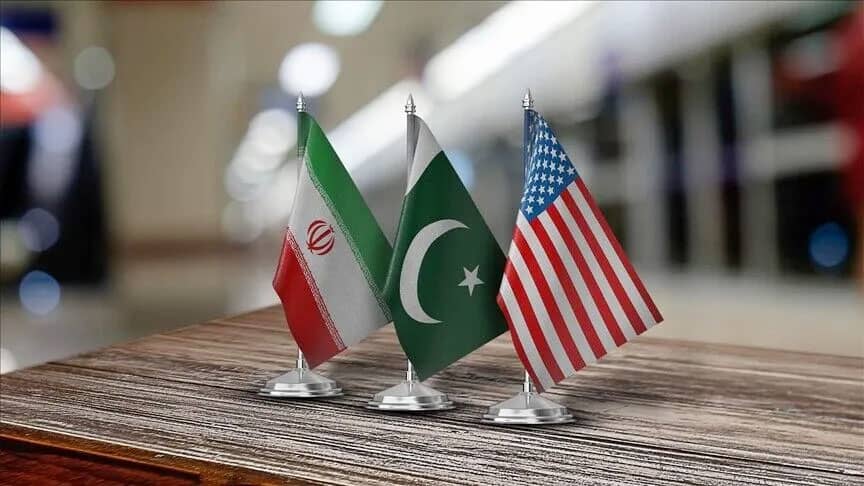
Amidst this escalating regional strain, Pakistan has emerged as the most active mediator among all parties involved, according to reports from July 31, 2026. This proactive diplomatic stance comes despite Pakistan itself incurring growing economic and security costs. The burdens have accumulated significantly as the conflict spreads across Pakistan's extensive 900-kilometer border with Iran. Even though Pakistan is neither an aggressor nor a direct target in the fighting, its geographical proximity and deep regional ties place it squarely in the path of the conflict's adverse effects.
Nobel Laureate Joseph Stiglitz has noted that wars invariably divert resources that could otherwise be used to promote economic growth. Pakistan's national budget for the fiscal year 2026-27 provides a stark illustration of this observation through its significant allocation shifts, directly reflecting the pressures imposed by the ongoing regional instability and the need to secure its borders.
Islamabad's Fiscal Response to Regional Instability
The escalating tensions and the direct impact of the US-Iran conflict have necessitated a strategic reallocation of resources within Pakistan's national budget. This fiscal adjustment highlights the immediate geopolitical necessities facing Islamabad, often at the expense of long-term development goals crucial for national progress.
Defense Spending Surges Amidst Tensions
In June of the current year, the government of Pakistan increased the defense portion of its budget by a substantial 18 percent for the fiscal year 2026-27. This significant adjustment was a direct response to the heightened regional tensions unfolding simultaneously on multiple fronts, encompassing both South Asia and the Persian Gulf region. The need to bolster national security and preparedness in the face of an unpredictable and volatile neighborhood became an undeniable priority for policymakers, reflecting a strategic pivot towards defense readiness.
Development Funds Redirected
To accommodate these critical security expenditures, funds initially allocated for development projects were trimmed during the same period. This shift reflects a prioritization strategy driven by immediate geopolitical necessity rather than the long-term infrastructure planning goals that had been outlined in previous fiscal cycles. The diversion of resources from development to defense underscores the profound economic strain placed on Pakistan by the conflict, forcing difficult choices between immediate security and future prosperity and potentially impacting social programs and infrastructure growth.
Strategic Diplomacy for Economic Resilience
Beyond the immediate fiscal adjustments, Pakistan is actively seeking to leverage its crucial mediation role to secure tangible strategic rewards. This diplomatic push aims to mitigate the economic fallout and enhance the nation's resilience in a turbulent regional environment, seeking to convert its peacemaking efforts into concrete benefits.
Rising Import Bill Strains National Economy
The war has directly affected Pakistan's economy through specific, measurable indicators reported by government officials. Muhammad Humair Karim, secretary of Pakistan’s Ministry of Economic Affairs, stated that the nation's weekly import bill surged significantly during this timeframe. Specific figures released indicate a staggering surge in imports totaling 167 percent compared to baseline projections made before hostilities escalated near Pakistani territory. This dramatic spike occurred even as diplomatic channels remained open for mediation efforts, placing considerable strain on Islamabad's balance of payments and exacerbating existing economic challenges, including currency depreciation and inflation.
Seeking Tangible Returns from Diplomatic Engagement
Officials in Islamabad are actively exploring how their nation's active diplomacy can be converted into concrete strategic rewards. These potential benefits include crucial debt relief, improved trade access, and enhanced energy cooperation agreements. Such agreements could be forged with international partners, including Washington or Tehran itself, should conditions permit later this year. The article published by Pakistan Today on July 31, 2026, highlighted that converting this diplomatic activity into tangible economic benefits remains the central question facing policymakers, as they navigate complex international relations.
As of late July 2026, no concrete outcomes have been announced regarding potential debt restructuring talks. These discussions would likely involve multilateral lenders such as the International Monetary Fund (IMF) or World Bank groups, which have been closely monitoring regional stability issues since early 2026. Furthermore, energy cooperation possibilities remain under review as part of broader discussions between South Asian nations and Gulf states. These talks aim to stabilize supply chains that have been significantly disrupted by recent military actions in neighboring waters. Trade access improvements might include preferential treatment for Pakistani goods entering markets previously affected by sanctions regimes imposed during earlier phases of the conflict, prior to February 2026, offering a potential boost to Pakistan's struggling export sector.
Persistent Security Pressures and Economic Contraction
The proximity of the conflict to the Strait of Hormuz continues to contribute to its widespread impact, felt acutely across South Asia and beyond. Pakistan's security apparatus faces increased pressure as military spending rises, a trend that runs parallel to economic contraction metrics tracked by international observers. These observers are closely monitoring fiscal health indicators in developing economies that are particularly vulnerable to external shocks, such as those emanating from the ongoing US-Iran conflict. The dual challenge of maintaining security while navigating severe economic headwinds defines Pakistan's current predicament on the regional stage, requiring delicate balancing acts between defense, diplomacy, and development.