


Delhi Hosts SCO Civilisational Dialogue as Pakistan Minister Signals Diplomatic Thaw
New Delhi has become the focal point for a significant diplomatic engagement as the Shanghai Cooperation Organisation (SCO) Civilisational Dialogue Forum convenes this week. The event, held from November 20 to 22, marks a notable moment in regional diplomacy, particularly due to the presence of Pakistan’s federal delegation led by Minister for Climate Change and Environmental Coordination Musadik Masood Malik.
Malik’s arrival in the Indian capital carries substantial symbolic weight. According to reports from the Daily Times, this visit represents the first trip to India by a Pakistani federal minister since May 2023. His presence underscores a cautious but deliberate effort by Islamabad to maintain diplomatic channels with New Delhi, even as broader geopolitical dynamics continue to shift across South Asia.
Modi’s Vision for Cultural Diplomacy
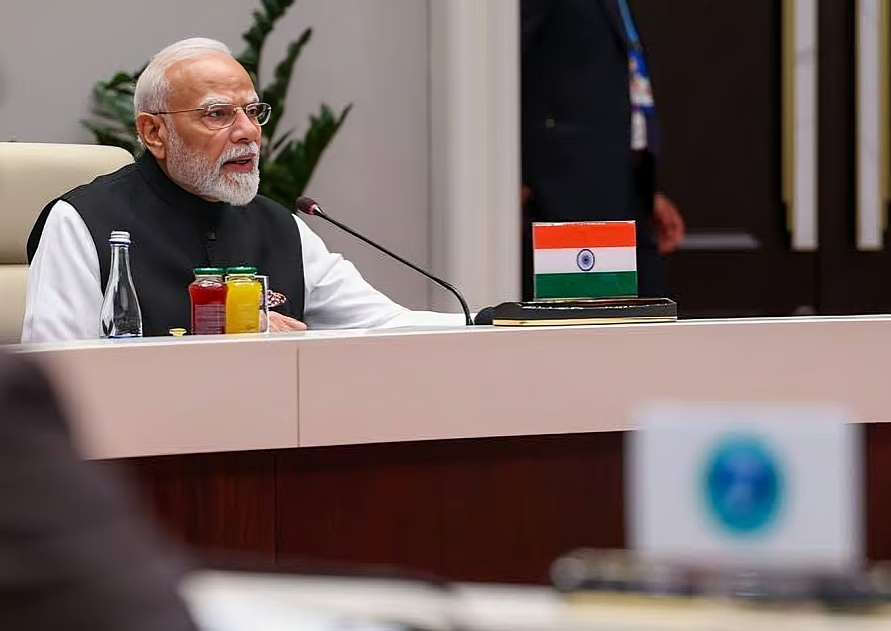
At the heart of the forum is Prime Minister Narendra Modi’s strategic emphasis on cultural cooperation as a pillar of international stability. Speaking at the event, Modi pitched the idea that shared cultural heritage and civilisational connections could serve as a foundation for building trust among member states.
Modi articulated a clear philosophy regarding the role of culture in global relations, stating that mutual trust develops when nations recognize what they have in common. He described these cultural connections as the "strongest guarantee for global peace," framing the SCO not merely as a security or economic bloc, but as a platform for civilisational dialogue.
This approach aligns with the forum’s origins. The SCO Civilisational Dialogue Forum was proposed by Modi during the SCO Council of Heads of State summit held in Tianjin, China, in September 2025. By establishing this specific venue for interaction, New Delhi aims to foster a form of diplomacy that operates alongside, and potentially above, traditional political tensions.
Malik’s Call for Multilateral Dialogue
Pakistan’s delegation has embraced the forum’s theme with optimism. Dr. Musadik Malik described the gathering as a "tremendous opportunity" to discuss critical themes such as civilization, history, geography, and culture. Beyond the cultural aspects, Malik also called for multilateral dialogue on terrorism, highlighting the security dimensions that underpin regional stability.
Expressing hope for an improvement in bilateral ties, Malik stated, "I think all of our relationships will improve." He urged observers and policymakers alike to adopt a macro view of the current geopolitical landscape, noting that "geopolitical plates are shifting fast." This perspective suggests that Pakistan is looking beyond immediate bilateral disputes to address broader geopolitical, social, and poverty issues that affect the region.
The government of Pakistan has reaffirmed its commitment to promoting dialogue among civilizations and fostering people-to-people contacts within the SCO framework. Malik’s participation signals Islamabad’s intent to leverage these multilateral platforms to keep diplomatic lines open with New Delhi.
Historical Context of SCO-Mediated Engagements
The current forum is part of a broader pattern of high-level engagements between Pakistan and India that have largely taken place under the SCO framework in recent years. This trend began with former Foreign Minister Bilawal Bhutto-Zardari’s visit to Goa in May 2023, followed by Indian External Affairs Minister Subrahmanyam Jaishankar’s attendance in Islamabad in 2024.
While these visits demonstrated a willingness to engage, it is important to note that neither featured formal bilateral talks. The SCO has thus served as an indirect conduit for diplomatic interaction, allowing officials from both nations to meet in a multilateral setting without the pressure of direct negotiation.
This pattern continues with the current forum. India’s SCO National Coordinator, Alok Dimri, visited Islamabad in late September for a preparatory meeting ahead of the next SCO Council of Heads of State summit. These preparatory steps highlight the logistical and diplomatic machinery that supports these rare moments of contact between the two nuclear-armed neighbors.
Domestic Political Reactions in India
The presence of a Pakistani federal minister in New Delhi has not gone unnoticed by domestic political actors. Malik’s arrival sparked criticism from opposition parties, specifically the Congress and the Samajwadi Party. These groups accused the ruling Bharatiya Janata Party (BJP) government of double standards, questioning the timing and implications of hosting Pakistan’s delegation.
In response to the backlash, Indian officials defended the decision to host the forum. They stated that invitations were extended to all SCO member states and that the visit followed established multilateral protocol. This defense underscores New Delhi’s commitment to maintaining its standing within the SCO while navigating complex domestic political pressures regarding Pakistan.
As the forum concludes, the hope remains that these civilisational dialogues can translate into tangible improvements in regional relationships. With Malik expressing optimism about continued visits between India and Pakistan, the SCO continues to serve as a critical, if indirect, bridge in one of the world’s most volatile geopolitical regions.