


Silver Prices Plunge 64.2% From January Peak
Silver prices in India have suffered a severe contraction, plunging 64.2% from their peak earlier this year, according to data reported by Livemint on November 21. This sharp decline marks a significant correction in the bullion market, with domestic rates touching their lowest levels since September 2025.
The drop represents one of the most substantial corrections for the metal in recent memory. On Friday, multi-commodity exchange (MCX) gold prices closed at ₹122,510, while silver prices settled at ₹149,590 per kg. The following day, Saturday, November 21, the national rate for 999-fine silver remained at ₹1,49,590 per kg.
The price correction coincides with a broader slump in precious metals that has affected investor portfolios across the country. Gold prices have also fallen 31.5% since their January peaks this year, indicating a synchronized downturn in the bullion sector.
Geopolitical Tensions and AI Concerns Drive Sell-Off
Livemint cited several complex factors contributing to the sharp decline in silver and gold prices. Investor concerns regarding artificial intelligence developments have played a role, as shifting technological narratives influence capital allocation away from traditional safe-haven assets.
Geopolitical uncertainty involving the United States and Iran has further exacerbated market volatility. These tensions create an environment of risk aversion that often leads to rapid liquidation of commodity holdings.
Additionally, expectations of further interest rate hikes by the US Federal Reserve have weighed heavily on precious metals. Higher rates typically strengthen the dollar and increase the opportunity cost of holding non-yielding assets like silver and gold, prompting investors to exit positions.
Regional Disparities in Domestic Rates
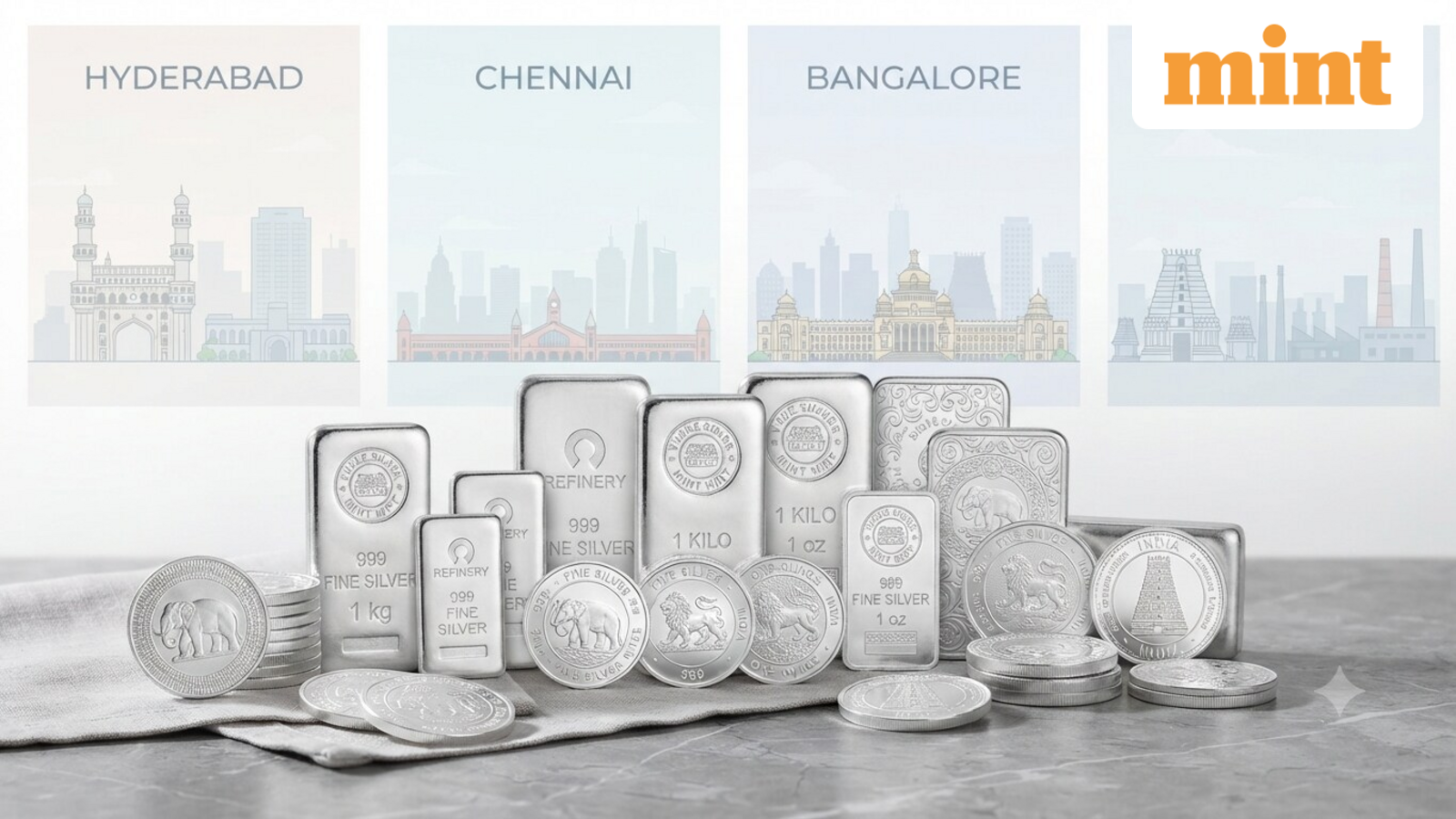
Silver rates varied significantly across different metropolitan areas on November 21, reflecting local demand and supply dynamics. Chennai and Coimbatore recorded the highest silver rates among major Indian cities, driven by strong regional industrial and jewelry demand.
In contrast, Delhi had the lowest rates, illustrating how local market premiums can diverge even when national benchmarks remain static. These disparities highlight the fragmented nature of India's domestic bullion market.
Domestic silver prices in India are influenced by a combination of currency movements, import costs, and local market premiums. The rupee-dollar exchange rate directly impacts import costs, while local premiums adjust for regional logistics and demand spikes.
Buyers in Mumbai, Kolkata, Hyderabad, Bengaluru, and other locations can check local rates per kilogram and per 100 grams, which fluctuate based on the aforementioned domestic factors. These variables continue to impact pricing across major Indian cities, creating a complex landscape for consumers and investors alike.