


The Inevitability of Palestinian Loss
According to an analysis by Slugger O'Toole, Palestinians face a loss regardless of the outcome of the upcoming Israeli election scheduled for October 27. The publication states that Israel has become a "fulcrum of global geopolitics," meaning its domestic political shifts have ramifications for other nations. This structural reality ensures that the fate of the Palestinian population is decoupled from the specific electoral preferences of the Israeli electorate, as the broader geopolitical machinery remains fixed against their interests.
O'Toole notes that while foreign elections in countries such as Japan, Greece, or Mexico typically receive little attention from international observers, the Israeli election warrants significant focus. The author argues that the country's position in global affairs ensures that its electoral results will impact the rest of the world, yet for Palestinians, the result is a foregone conclusion of continued subjugation.
The Mechanics of Political Dominance
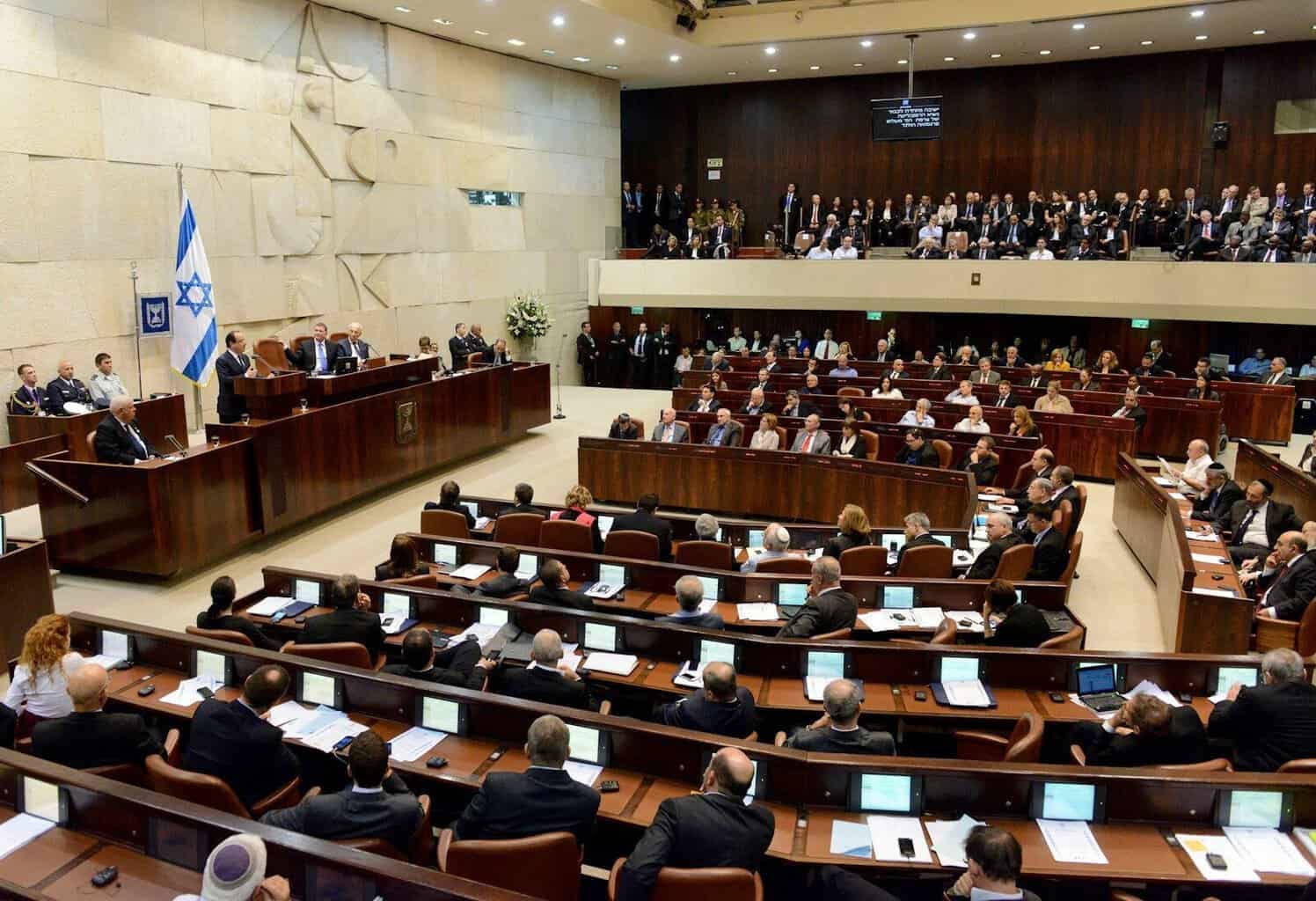
The article details the specific mechanics of the Israeli electoral system, describing it as a proportional representation, closed-list system. Under this framework, citizens vote by party rather than by individual candidate. The composition of the Knesset is determined by the proportion of votes received by each party, with parties filling seats from pre-determined lists. To form a government and select the Prime Minister, a coalition must secure 61 out of the 120 available Knesset seats.
O'Toole identifies current Israeli Prime Minister Benjamin Netanyahu as a figure who has dominated Israeli politics for nearly three decades. The author characterizes Netanyahu as an "indicted war criminal" who seeks Israeli dominance over mandatory Palestine and aims to bury the two-state solution. This long-standing dominance is facilitated by the electoral system, which allows leaders to maintain power through coalition bargaining rather than direct popular mandate on specific policy outcomes.
Strategies of Displacement and Division
The analysis asserts that Netanyahu has supported West Bank settlement projects designed to displace Palestinians. According to the text, he has kept Palestinians divided to prevent the emergence of a unified peace partner and systematically attacked the Palestinian Authority to stop it from becoming a proto-state. These actions are not incidental but strategic, aimed at ensuring that no viable political entity can emerge to negotiate on equal terms.
O'Toole claims that Netanyahu empowered "racist elements" in Israeli society to avoid accountability for corruption scandals. These elements, who were in power during the October 7th events, subsequently unleashed what the author describes as a genocide on Gaza's Palestinian population. The empowerment of these factions serves a dual purpose: it distracts from domestic legal troubles while advancing an expansionist agenda that benefits from the chaos of war.
The Diplomatic Shield and Limited Resistance
The article further states that the Israeli government avoids international retaliation by sheltering under the diplomatic shield of the United States. This protection includes threats of retaliation against those who attempt to hold Israel accountable for its actions, effectively neutralizing much of the global pressure that might otherwise constrain Israeli military and political operations.
While some countries have recently taken basic actions such as recognizing the state of Palestine or sanctioning goods from illegal Israeli settlements, O'Toole argues these measures have not changed Israeli behavior. The author contends that only the Israeli people can hold Netanyahu accountable, though most voters are unlikely to do so regarding the events in Gaza.
The piece also touches on the upcoming United States elections, noting that many observers hope President Trump will be politically crippled domestically. However, the analysis suggests this domestic weakness might give him more latitude on the international stage. This dynamic adds another layer of complexity to the geopolitical landscape, as external powers navigate their own internal political crises while influencing outcomes in the Middle East.