


The Rise of Simplified Narratives in Times of Uncertainty
In an era defined by geopolitical uncertainty and information overload, cultural products across India and China are increasingly favoring narratives that present complex global issues as straightforward and manageable. This trend is visible in both the cinematic landscape of India and the digital fiction communities of China, where audiences are engaging with stories that offer clarity amid chaos.
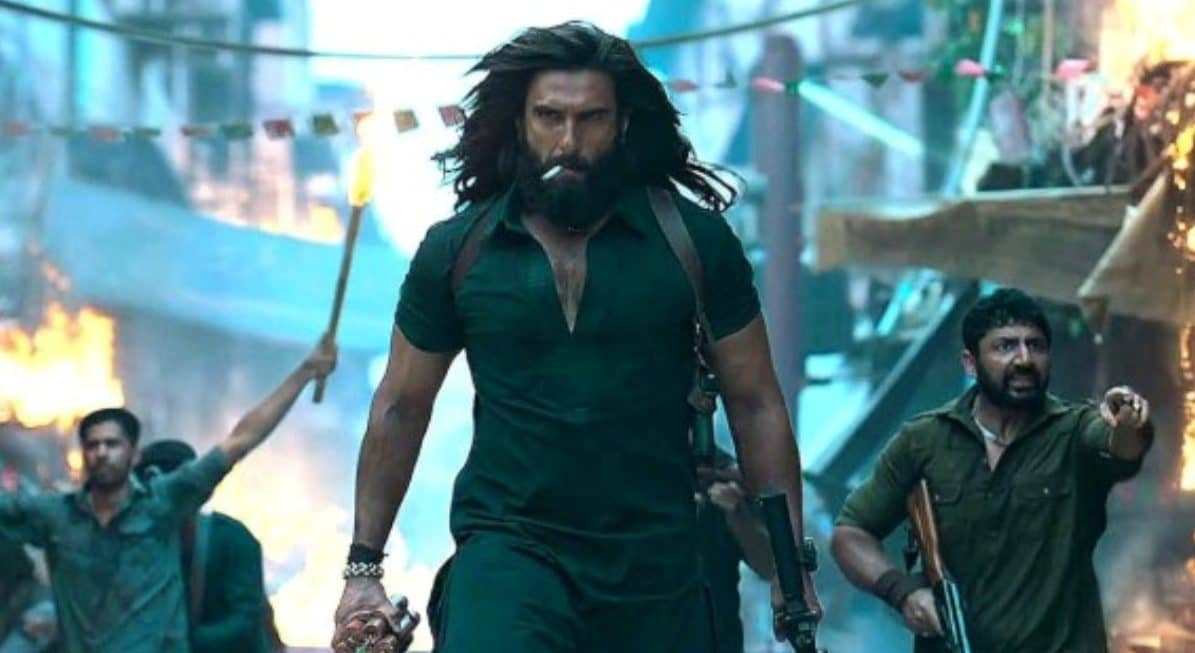
According to recent analysis, this shift toward simplified storytelling reflects a broader societal response to the complexities of the modern world. In India, the film Dhurandhar has emerged as a prominent example of this phenomenon, presenting what can be described as an "alternate present" rather than a historical revision.
The Indian Express reported that in China, alternate histories have long been a staple of popular culture. However, the current trend in India diverges slightly by focusing on contemporary scenarios. Both regions, despite their different narrative structures, are seeing a surge in popularity for stories that resolve ambiguity through decisive action and clear outcomes.
Alternate Present in Indian Cinema
The film Dhurandhar depicts contemporary state institutions as more focused and strategically aligned than they appear in reality. The narrative structure of the movie tends to downplay or entirely ignore political hesitation, offering a streamlined version of current events where decision-making is swift and unified.
This portrayal contrasts with the often fragmented and deliberative nature of real-world politics. By removing elements of doubt and delay, the film provides a narrative that is easier for audiences to digest during a period of significant global instability. The movie’s approach suggests a desire for order and predictability in statecraft, a theme that resonates with viewers seeking reassurance.
Vandita Mishra has written about the impact of Dhurandhar, noting its "loud splash" and the accompanying gathering silences in public discourse. Her analysis highlights how the film’s reception reflects broader conversations about power, authority, and the role of the state in managing national identity.
Strategic Alignment vs. Political Reality
The depiction of state institutions in Dhurandhar stands in contrast to the complexities of actual political processes. In the film, strategic alignment is presented as a given, rather than a contested or difficult-to-achieve goal. This simplification allows for a narrative where national interests are pursued without the friction of internal disagreement or bureaucratic delay.
This approach mirrors a growing appetite for media that offers clear-cut resolutions to complex problems. As geopolitical tensions rise, audiences in India are turning to cinema that portrays state power as coherent and effective, rather than hesitant or divided.
Alt-History Fiction in China’s Digital Landscape
In China, a similar desire for narrative control is expressed through the medium of web novels. Rongbin Han’s recently released book, Make China Great Again: Online Alt-History Fiction and Popular Authoritarianism, examines how historical imagination functions in China’s present-day digital landscape.
Han’s research demonstrates that alternative history has become one of the most popular genres in China’s online fiction. These stories typically feature protagonists who travel back in time to intervene at pivotal moments in Chinese history. By altering these key events, the narratives explore different outcomes for the nation, allowing readers to imagine a path where historical challenges were overcome more decisively.
The popularity of this genre is not merely a matter of entertainment. Han argues that these alt-history fiction works operate as a unique cultural field. Within this space, audiences can engage with the constant reinvention of the Chinese nation and its collective aspirations. The stories serve as a mechanism for processing national identity and historical legacy.
Reinventing the Nation Through Fiction
The narratives found in Chinese web novels are described as more than just imaginative entertainment. They function as a space where the concept of the nation is actively reimagined. By intervening in history, the protagonists of these stories allow readers to envision a version of China that has avoided past mistakes or achieved greater strength.
This form of storytelling provides a way to grapple with historical trauma and national ambition. The genre’s popularity suggests that many Chinese readers find value in exploring alternate paths for their country’s development. It offers a sense of agency over history, even if only within the confines of fiction.
Converging Cultural Trends
The parallel trends in India and China highlight a common response to global instability: the creation of media that simplifies complex realities. Whether through the "alternate present" of Dhurandhar or the "alternate histories" of Chinese web novels, audiences are engaging with stories that offer clarity and control.
In India, the focus is on contemporary state power, portraying it as more effective than it may be in practice. In China, the focus is on historical intervention, allowing readers to rewrite the past. Both approaches reflect a desire to make sense of a chaotic world by creating narratives where outcomes are determined and managed.
As geopolitical uncertainty continues to shape global affairs, these cultural products will likely remain popular. They provide a framework for understanding national identity and state power in ways that feel accessible and reassuring. The rise of such simplified narratives underscores the role of media in shaping public perception during times of significant change.