

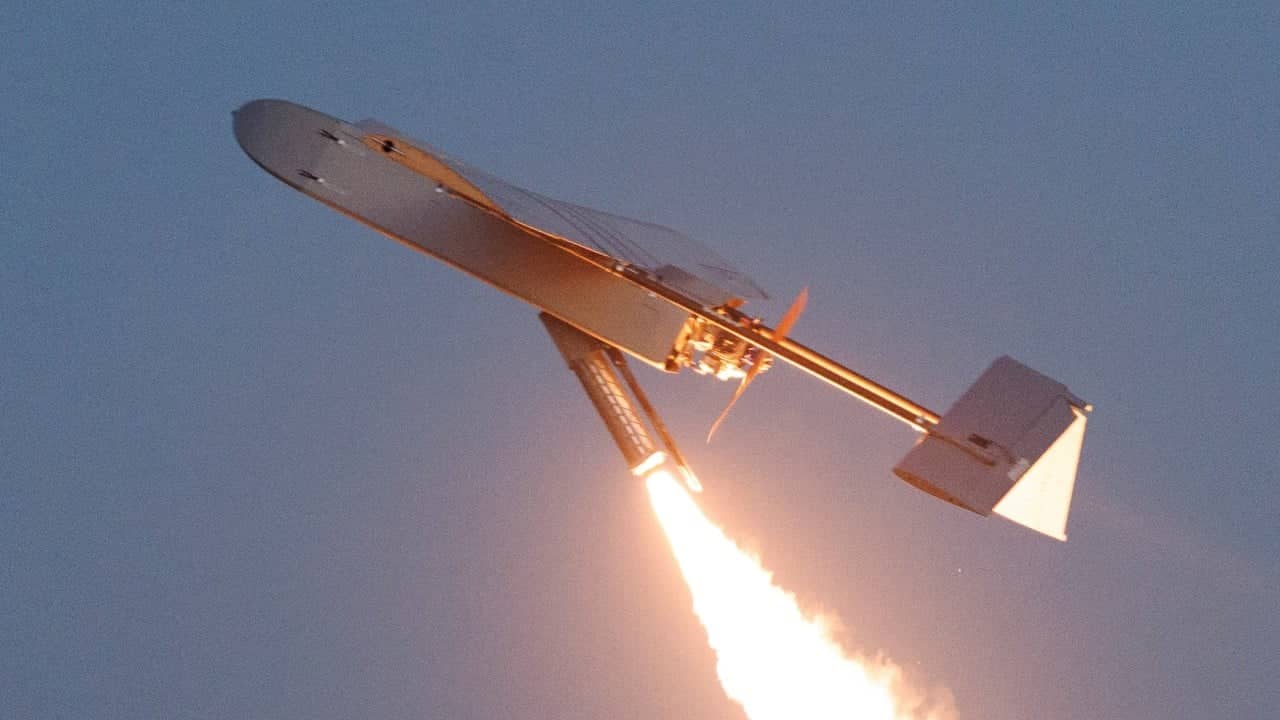

Ukraine's deployment of inexpensive and adaptable drones has been credited by observers as a factor in slowing Russia's military advance. This operational model has attracted attention from nations seeking to modernize their armed forces, positioning the Philippines among those exploring what defense lessons can be extracted from Kyiv.
Diplomatic Framework for Technology Transfer
Discussions regarding a potential framework known as the "Drone Deal" occurred on July 24. The talks took place between Ihor Zhovkva, identified in reports as deputy head of the Ukrainian president's office, and a Philippine delegation led by Undersecretary of National Defence Salvador Mison.
The meeting marked Mison’s first official visit to Kyiv during this engagement. According to a statement issued from the Ukrainian president’s office following the interaction, both parties have agreed to commence work on a possible deal. This agreement aims to deepen an existing defense relationship.
The current initiative builds upon a prior proposal made last year by Ukraine covering drone co-production, technology exchange, and cybersecurity cooperation in the form of a memorandum of understanding. The foundational elements for this new framework were laid during the July 24 discussions between officials from both nations.
Focus on Maritime Grey Zone Operations
The primary objective cited by analysts involves adapting battlefield technology to suit maritime stand-offs described as grey-zone scenarios. These specific environments involve surveillance activities and coastguard interactions rather than traditional kinetic warfare.
Tensions persist in the South China Sea, a region where Manila is seeking more agile capabilities through asymmetric means. Some observers view a proposed drone partnership with Ukraine as offering a shortcut to developing these specific types of military assets amidst ongoing regional friction.
Analytical Perspectives on Suitability and Risks
Opinions regarding the strategic value of this potential cooperation vary among defense experts in Manila. While some analysts characterize the partnership as a game changer for Philippine national security, others express significant caution.
Cautious voices urge the Philippines to first evaluate whether Ukraine’s battle-hardened drone tactics are suitable for the murky maritime grey zone of surveillance and coastguard encounters. Experts question if land-based combat methodologies can be effectively translated to naval environments where rules of engagement differ significantly from terrestrial warfare.
The challenge involves determining how cheap, adaptable drones used against Russian ground forces might perform in a contested sea environment involving coastguard vessels and maritime patrol aircraft. Analysts suggest that the operational context differs fundamentally between Eastern European land battles and South China Sea patrols.
Assessment of Co-Production Agreements
The potential deal extends beyond simple training to include technology exchange and co-production efforts first floated in a memorandum last year. This broader scope implies that the Philippines is looking at structural changes to its industrial base for defense manufacturing alongside immediate tactical improvements.
Cybersecurity cooperation remains another pillar of the proposed relationship, indicating an intent to address digital threats associated with drone operations and command-and-control networks. The inclusion of cybersecurity in initial discussions suggests a comprehensive approach to modernization that addresses both hardware acquisition and network resilience.
Strategic Implications for Regional Security
The Philippines’ interest reflects a broader trend among nations looking to leverage Ukraine’s drone experience. The success of Kyiv in utilizing low-cost systems has created a model that other countries are studying for their own modernization programs.
For Manila, the prospect involves balancing the desire for agile asymmetric capabilities against the complexities of implementing foreign tactical doctrines. The decision-making process will likely involve extensive testing to ensure compatibility with existing Philippine naval assets and operational procedures.
The ongoing nature of tensions in the South China Sea provides urgency to these defense modernization efforts. Officials from both nations have indicated that work on the framework is proceeding, though specific timelines for implementation or delivery of technology remain unstated in available reports.
Future Cooperation Trajectory
The agreement to begin work on a possible deal represents a concrete step forward since Ukraine’s initial proposal last year. This progression suggests that diplomatic channels are open for substantive collaboration despite the complexities involved in transferring battlefield expertise across different theaters of operation.
Undersecretary Mison’s visit to Kyiv served as a catalyst for these discussions, bringing together Ukrainian and Philippine officials to assess mutual interests. The resulting statement from the Ukrainian president’s office confirms that both sides view this engagement positively enough to move forward with detailed planning.
As negotiations continue, the focus remains on whether Ukraine’s drone tactics can be successfully adapted for maritime grey zone scenarios without compromising safety or operational effectiveness. The outcome of these discussions could influence defense procurement strategies in Southeast Asia and potentially reshape regional security architectures involving unmanned aerial systems.