

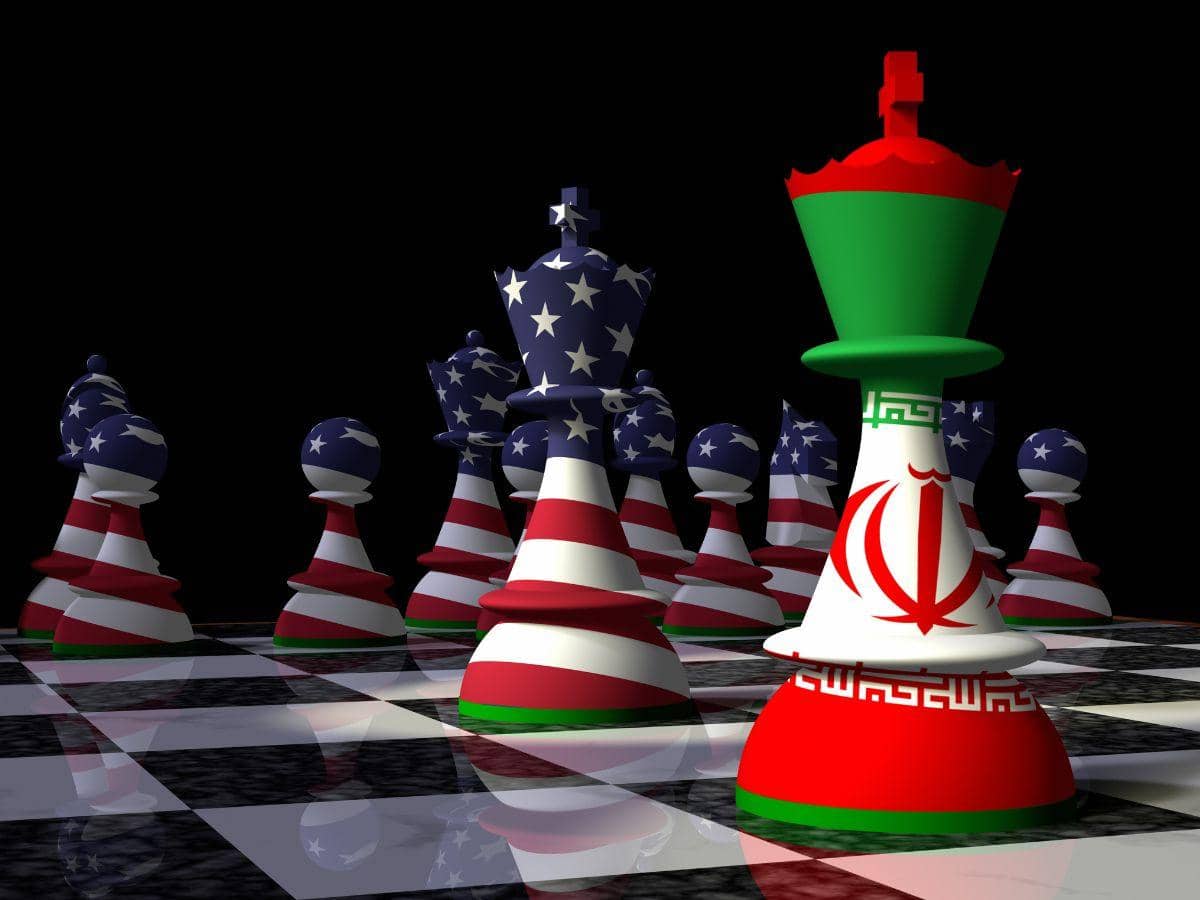


Discrepancies Emerge Between Washington and Tehran Regarding Negotiation Status
President Donald Trump has made significant public assertions concerning the current state of negotiations with Iran. According to reports from Business Standard regarding these developments, President Trump is making big claims about Iran talks. These statements suggest a level of agreement or advancement that differs sharply from the position held by counterparts in Tehran.
Officials based in Tehran have publicly disputed these assertions made by the American president. The divergence between the two positions creates an environment where conflicting narratives exist simultaneously regarding diplomatic progress. This situation involves high-level political figures presenting opposing views on what constitutes a finalized agreement versus ongoing discussions.
Presentation of Preferences as Finalized Agreements
Analysis indicates that President Trump may be describing his preferred outcomes as fully negotiated deals. By framing specific preferences in this manner, the administration appears to hope for securing Iranian commitment through such declarations. This approach suggests a strategic intent to lock parties into positions by presenting desired results as accomplished facts.
The method of communication involves characterizing internal or preliminary discussions as completed transactions. Such language choices can influence how external observers perceive the maturity and finality of diplomatic efforts. When one side presents preferences as agreements, it alters the perceived reality for international audiences monitoring these high-stakes interactions between Washington and Tehran.
Implications for Diplomatic Process Viability
The ongoing discrepancies between statements from the United States and Iran raise questions about the viability of the negotiation process. When public claims contradict official positions, it introduces uncertainty into diplomatic channels that rely on clear communication and mutual understanding among negotiating parties.
Business Standard notes a concern regarding whether a succession of such disputes will sink the whole venture. The accumulation of conflicting statements could undermine trust between nations engaged in sensitive negotiations. Each instance where one side claims progress while another denies it adds complexity to an already intricate diplomatic landscape involving multiple stakeholders and historical grievances.
The potential consequences extend beyond immediate political posturing. Diplomatic processes require consistent messaging from all participating governments to function effectively. When public statements diverge significantly, the foundation for productive dialogue may erode over time as participants lose confidence in reported progress or lack thereof.
Strategic Communication Tactics
The approach of presenting preferences as finalized agreements represents a specific communication tactic employed during negotiations. This strategy aims to establish facts on record that favor one party's position while maintaining flexibility for actual implementation details yet to be worked out behind closed doors.
Tehran officials responding by publicly disputing these claims demonstrates an alternative negotiation style emphasizing accuracy and transparency regarding the true status of discussions. Different nations may employ varying strategies when communicating diplomatic developments, ranging from cautious understatement to bold assertion of achievements regardless of their current formalization stage.
Broader Context of International Negotiation Dynamics
The situation illustrates broader patterns observed in international diplomacy where public statements often differ from private negotiations. Leaders frequently make claims about progress that serve domestic political needs or signal resolve to allies and adversaries alike, even when substantive agreements remain incomplete.
Iranian officials maintaining a position of dispute highlights how nations protect their negotiating leverage through controlled information release. By contradicting optimistic public statements from counterparts, Tehran preserves room for maneuver while signaling continued engagement despite rhetorical disagreements over reported achievements.
Risks Associated with Divergent Narratives
The risk identified involves the possibility that repeated contradictions could damage long-term diplomatic relationships built on trust and consistent communication. When public narratives diverge consistently, it becomes difficult for external observers to determine actual progress versus political posturing.
International partners monitoring these negotiations face challenges interpreting conflicting reports from different sources. The presence of multiple contradictory accounts complicates efforts by other nations to assess the genuine state of diplomatic relations between major powers involved in regional security matters.