


Strategic Shift in Mineral Sourcing
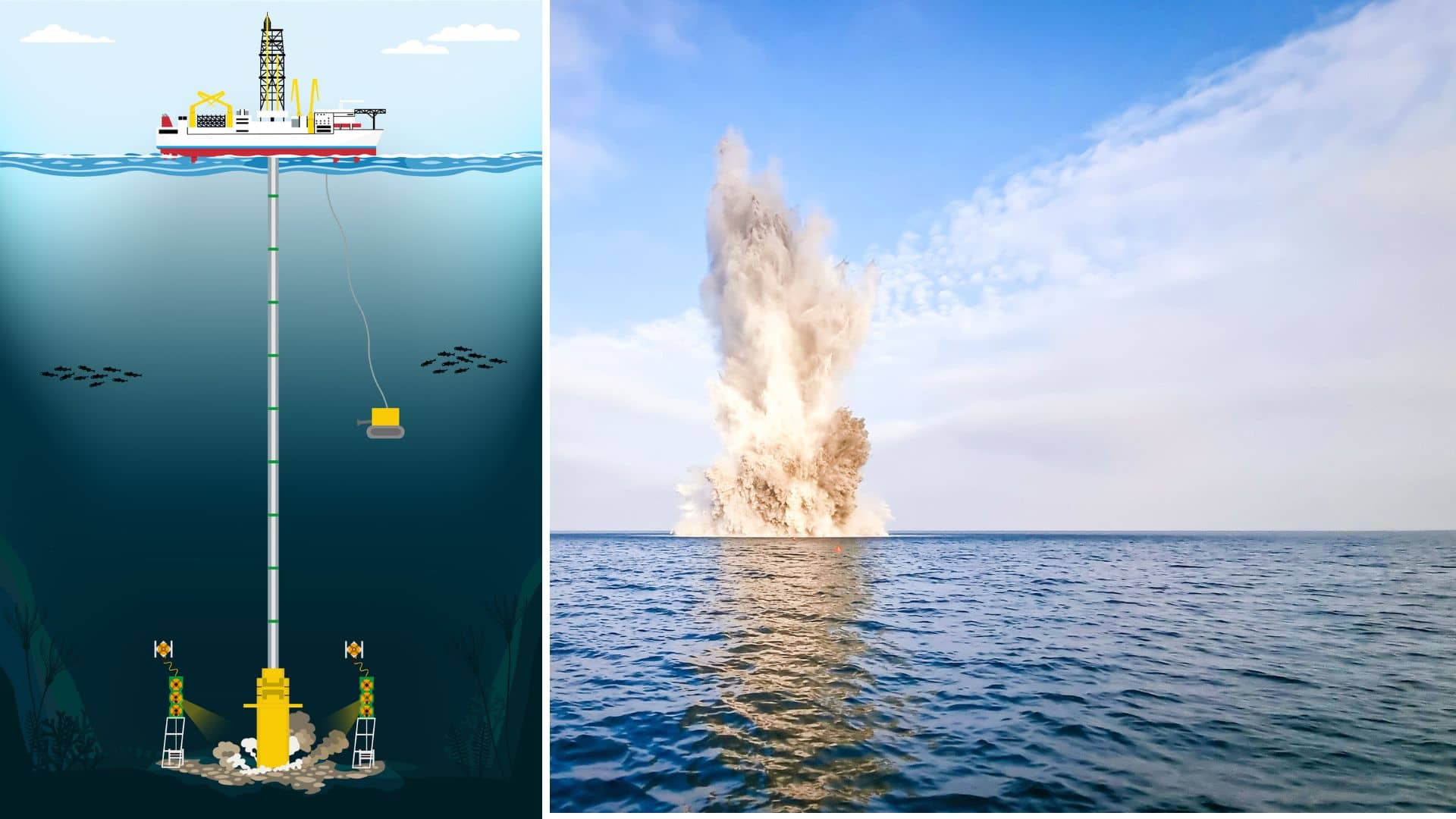
A proposed undersea mining operation situated 19,000 feet beneath the ocean surface is being evaluated as a potential domestic source of rare earth elements for the United States. The project, which would represent one of the deepest mining operations ever attempted, is part of broader efforts by the U.S. and Japan to reduce their reliance on China for strategically important minerals.
China currently holds a commanding position across the global rare-earth supply chain. According to reports, this deep-sea initiative aims to alter that dynamic by establishing an alternative supply route for critical materials used in high-tech industries. The identification of mineral-rich mud in the seabed surrounding Minamitorishima provides the geological basis for these plans.
Geological Findings and Operational Depth
Surveys conducted in the waters surrounding Minamitorishima have identified deposits of mineral-rich mud on the seabed. These findings are central to the feasibility of the proposed mining project. The depth of 19,000 feet places the potential operation among the most extreme deep-sea mining sites considered to date.
Technical and Geographic Context
The location of the mineral deposits is specifically noted as being in the seabed surrounding Minamitorishima. This island, part of Japan's Ogasawara Islands, serves as a reference point for the survey area. The presence of rare earth elements within the mud at this depth offers a new avenue for extraction that differs from traditional land-based mining.
If realized, the project would mark a significant step in the technological capabilities required for deep-sea resource extraction. The extreme pressure and environmental conditions at 19,000 feet present unique engineering challenges that must be addressed before any commercial operations can commence. However, the primary motivation cited for pursuing this depth is the strategic need to diversify supply chains away from current dominant producers.
Implications for Supply Chain Independence
The potential development of this mine is driven by the desire of both the United States and Japan to secure their access to rare earth elements. These materials are essential for the production of electronics, defense systems, and renewable energy technologies. Currently, the supply chain is heavily concentrated in China, creating vulnerabilities for other nations dependent on these imports.
By tapping into the mineral-rich mud found near Minamitorishima, the U.S. and Japan aim to create a more resilient supply network. This approach aligns with broader geopolitical strategies to reduce economic dependence on single-source suppliers for critical resources. The project is viewed as a long-term strategic investment rather than an immediate solution to current supply shortages.
While the geological surveys have confirmed the presence of minerals, the transition from survey data to active mining remains a complex process. The identification of the resource is only the first step in establishing a viable commercial operation at such extreme depths. Further studies and technological developments will be required to determine the economic viability and environmental impact of extracting rare earths from this location.
The proposal highlights the increasing interest in deep-sea resources as nations seek to secure critical materials for their industrial and defense sectors. The 19,000-foot depth represents a frontier in mining technology, pushing the boundaries of what is currently possible in resource extraction. If successful, it could establish a new precedent for international cooperation in deep-sea mineral exploration.